
Lahalak Medical PlatformDifferentiate Care
Learn the clinical differences between vascular and pigmented birthmarks, including causes, common types, treatment options, and when to see a doctor.

Advertisement
Birthmarks are benign skin markings present at birth or appearing shortly thereafter. They vary widely in size, shape, and color, and are medically classified into two primary categories: vascular birthmarks and pigmented birthmarks. Understanding the clinical differences between these two types is essential for appropriate diagnosis, monitoring, and treatment planning.
Vascular birthmarks occur when blood vessels do not form correctly. They can be caused by an overgrowth of blood vessels or abnormally dilated vessels in a specific area of the skin. They typically present in shades of red, pink, or purple.
Pigmented birthmarks are caused by an excess of melanin-producing cells (melanocytes) in a localized area of the skin. They range in color from light brown to black, grey, or blue.
To help clarify the distinctions, the following table outlines the fundamental differences in origin, appearance, and clinical progression:
| Feature | Vascular Birthmarks | Pigmented Birthmarks |
|---|---|---|
| Primary Cause | Abnormal development or clustering of blood vessels | Overgrowth of melanin-producing pigment cells |
| Common Colors | Red, pink, purple | Brown, black, grey, blue |
| Examples | Hemangiomas, Port-wine stains, Salmon patches | Café-au-lait spots, Mongolian spots, Congenital nevi |
| Progression | Some fade naturally; others may thicken or darken | Usually persist and grow proportionally with the body |
| Primary Treatment | Pulsed Dye Laser (PDL), Beta-blockers | Pigment-specific lasers, Surgical excision |
A definitive diagnosis is established through a thorough clinical examination by a qualified dermatologist. In rare cases, advanced imaging (such as ultrasound or MRI) may be required to assess the depth of vascular lesions, or a skin biopsy may be performed for atypical pigmented lesions. Seeking a استشارة طبيب الجلدية (dermatologist consultation) is highly recommended for any new or changing skin mark.
Treatment options depend on the birthmark's type, size, and location:
While most birthmarks are benign, certain warning signs warrant prompt medical evaluation:
Utilizing tools for مراقبة الشامات والوحمات (monitoring moles and birthmarks) can help families track skin changes over time and share accurate details with their healthcare provider.
A widespread myth suggests that birthmarks are caused by unfulfilled food cravings of the mother during pregnancy. Medically, there is absolutely no link between maternal diet or cravings and the development of birthmarks; they are purely the result of genetic and developmental factors during embryonic growth.
Clear, direct answers
Advertisement
Continue exploring
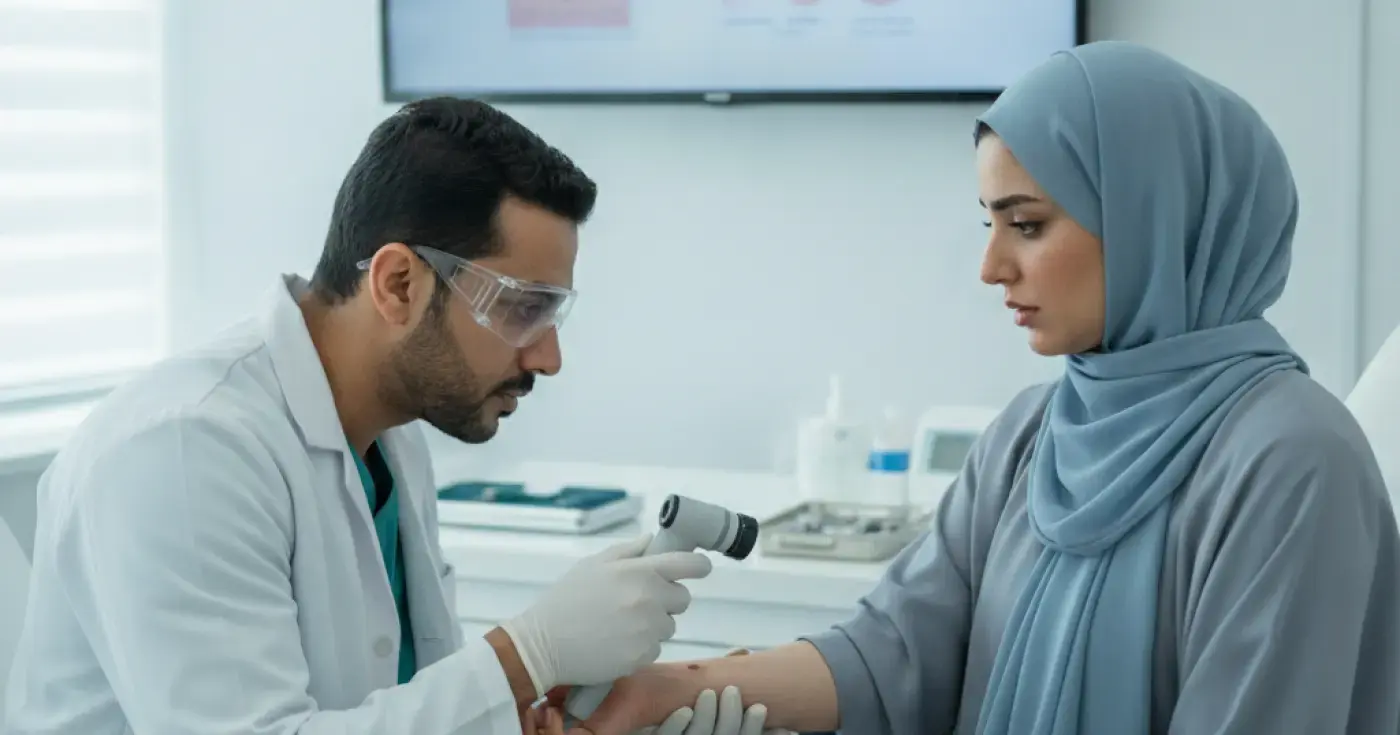
Learn the warning signs of suspicious birthmarks and moles, the ABCDE criteria, and when to consult a dermatologist for a professional evaluation.
Read article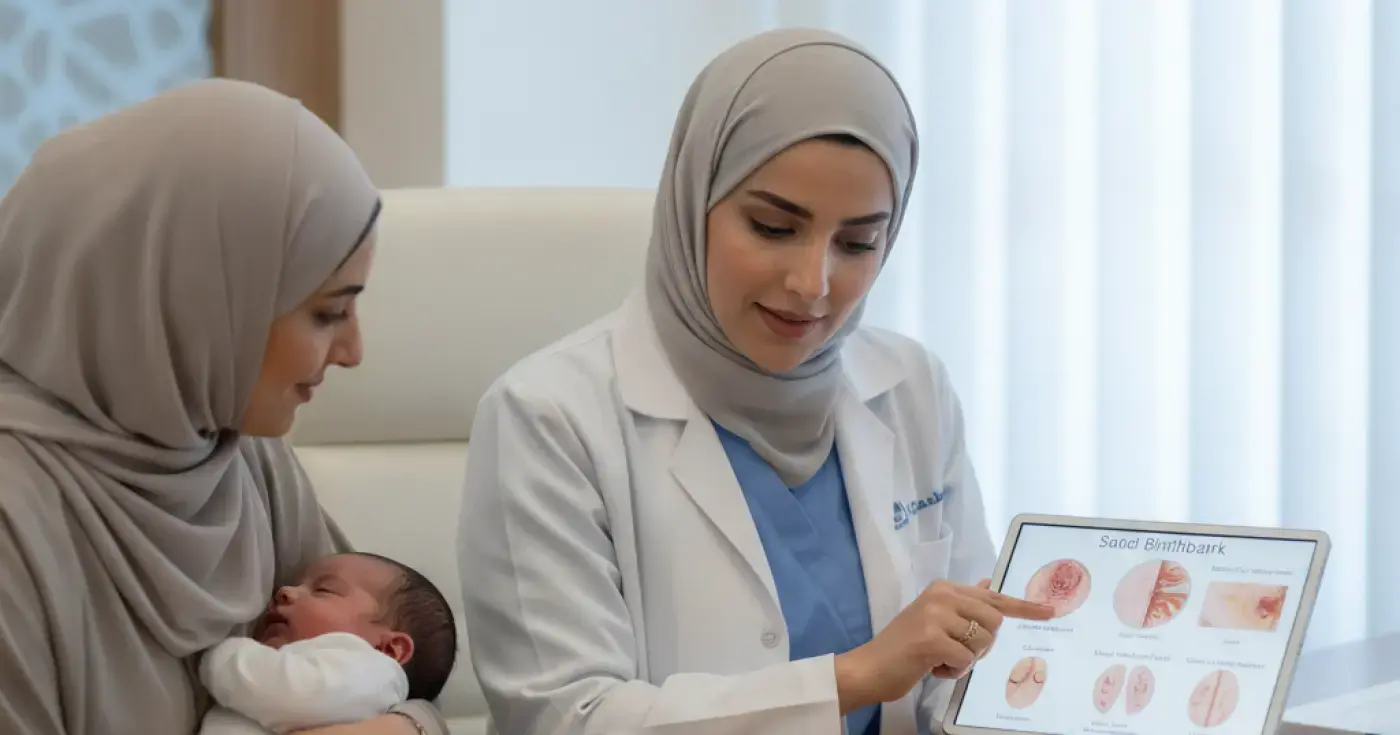
Discover the differences between vascular and pigmented birthmarks, their causes, when to see a doctor, and available medical treatments.
Read article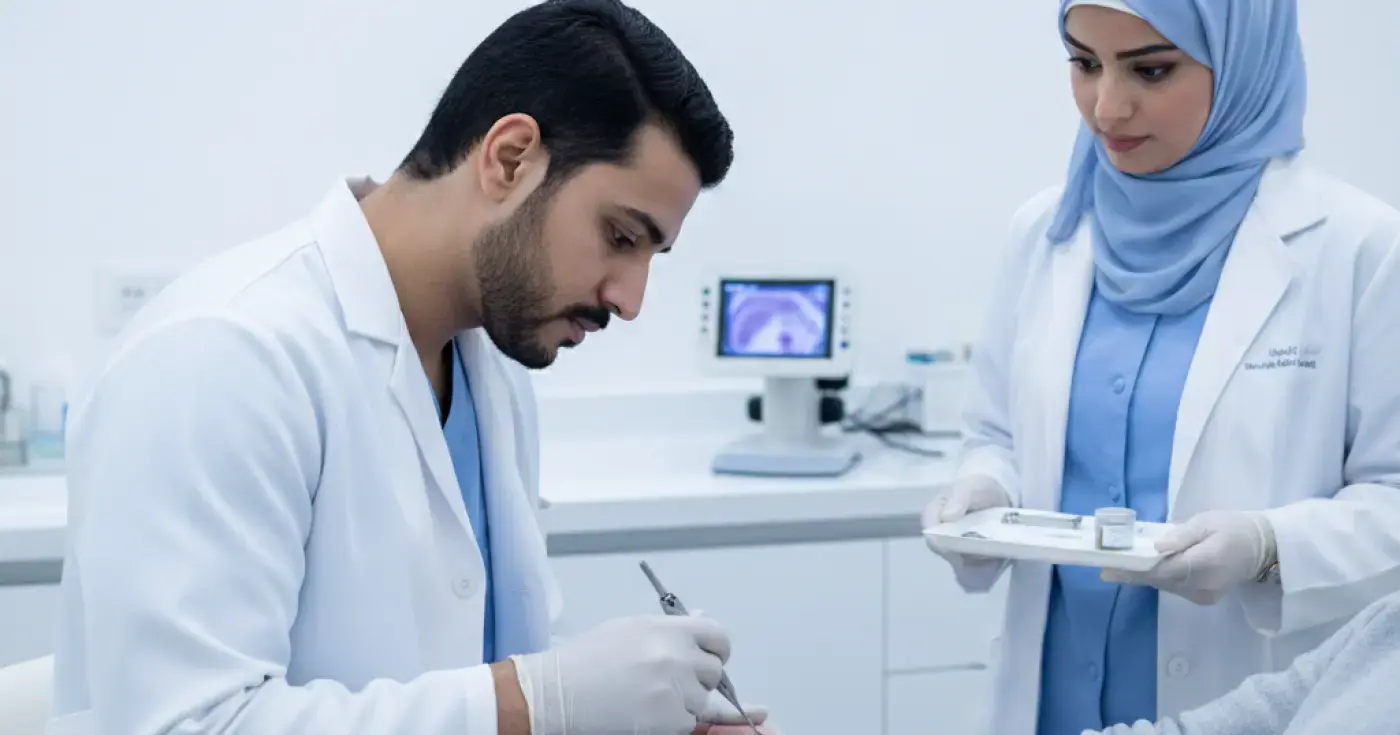
Learn about skin biopsy types, when a dermatologist recommends one, what to expect during the procedure, and how to care for the wound.
Read articleExplore the topic