
Lahalak Medical PlatformDifferentiate Care
Learn the warning signs of suspicious birthmarks and moles, the ABCDE criteria, and when to consult a dermatologist for a professional evaluation.
Advertisement
Birthmarks and moles are common skin features that are either present at birth or develop over time. In the vast majority of cases, these skin markings are completely benign and pose no threat to your health. However, changes in their appearance, size, or texture can sometimes serve as an early warning sign of more serious dermatological conditions, including skin cancers. Understanding the nature of birthmarks and knowing when they require a dermatologist consultation is essential for maintaining skin health and preventing potential complications.
Dermatologists classify birthmarks into two primary categories based on their origin, each requiring distinct monitoring:
These occur when there is an overgrowth of pigment-producing cells (melanocytes) in one area of the skin. Common examples include congenital nevi (moles), café-au-lait spots, and Mongolian spots. Their colors typically range from light brown and tan to deep black or slate gray.
These develop when blood vessels do not form correctly under the skin. Examples include macular stains (salmon patches), hemangiomas (strawberry marks), and port-wine stains. They usually present as red, pink, or purple discolorations.
To help individuals perform a reliable skin self-examination, dermatologists established the ABCDE criteria. This simple guide highlights the key changes that warrant professional medical attention:
Beyond the ABCDE criteria, certain clinical symptoms should prompt an immediate visit to a specialist:
The table below outlines the primary differences between typical benign birthmarks and those that require medical investigation:
| Feature | Normal Birthmark (Benign) | Suspicious Birthmark (Requires Evaluation) |
|---|---|---|
| Symmetry | Symmetrical, round, or oval shape | Asymmetrical with irregular halves |
| Borders | Smooth, distinct, and well-defined | Jagged, blurry, or fading into surrounding skin |
| Color Distribution | Single uniform color (e.g., solid brown) | Multiple shades or uneven color distribution |
| Rate of Change | Remains stable in size and shape for years | Changes rapidly in size, color, thickness, or shape |
| Associated Symptoms | Asymptomatic (no pain, itching, or bleeding) | May itch, hurt, bleed, or flake spontaneously |
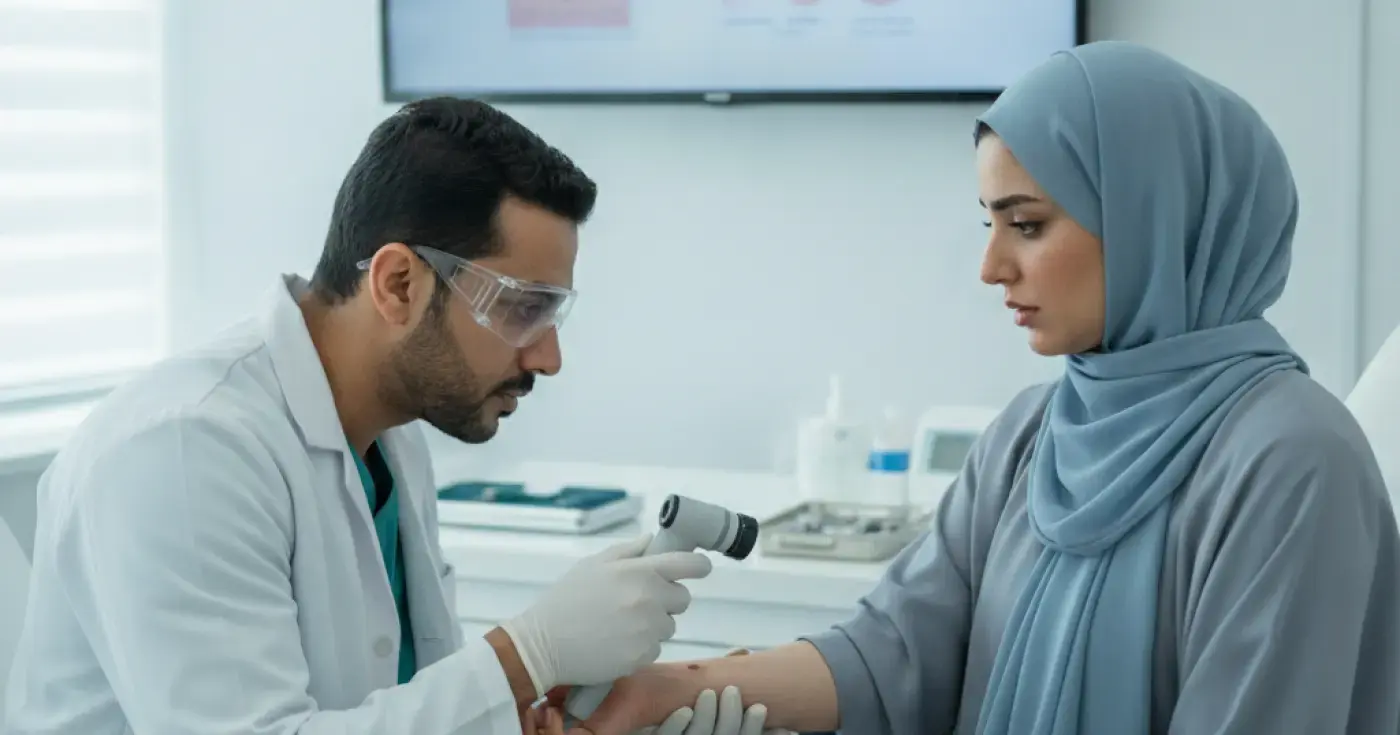
When you consult a specialist, they will perform a comprehensive evaluation using advanced diagnostic tools:
Modern medical centers in Saudi Arabia offer safe, advanced therapeutic options for managing birthmarks, whether for medical necessity or cosmetic improvement:
Proactive care is the best defense against skin complications. Keep these essential practices in mind:
Clear, direct answers
Advertisement
Continue exploring
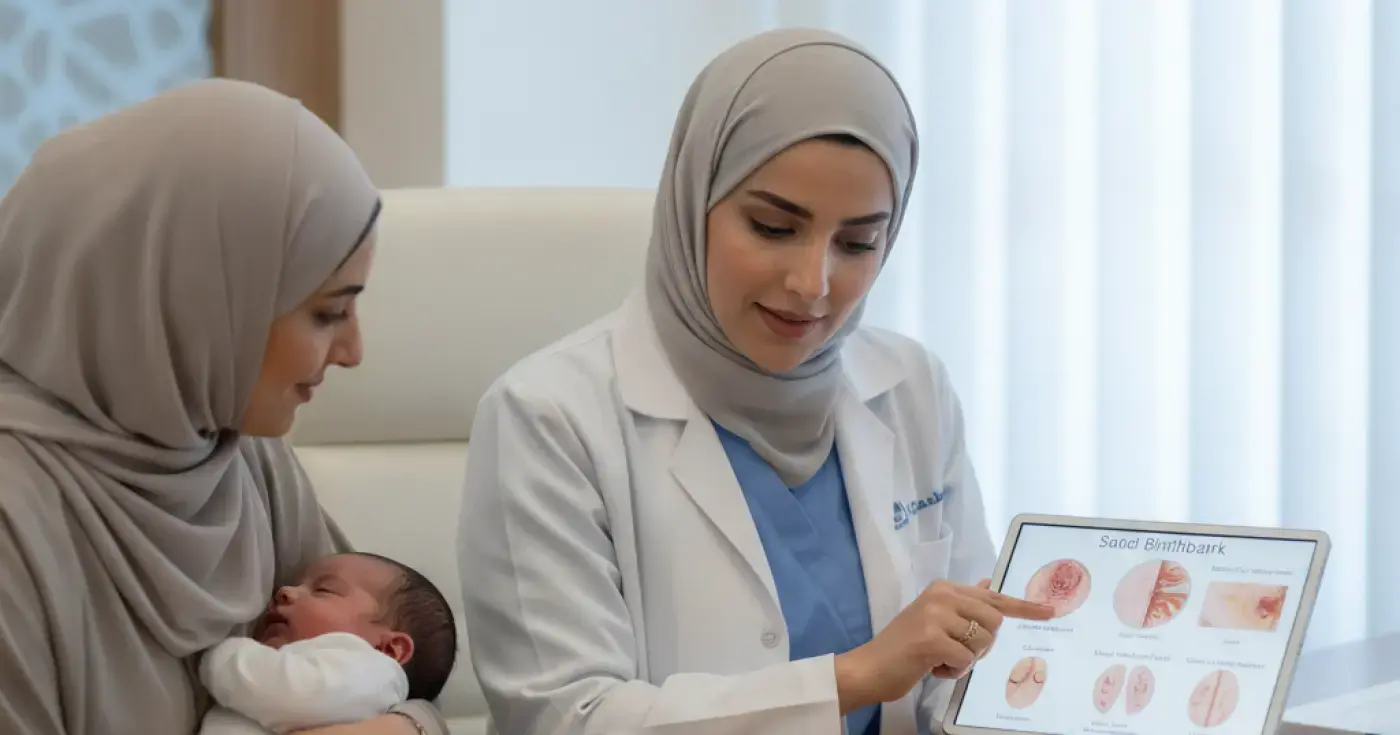
Discover the differences between vascular and pigmented birthmarks, their causes, when to see a doctor, and available medical treatments.
Read article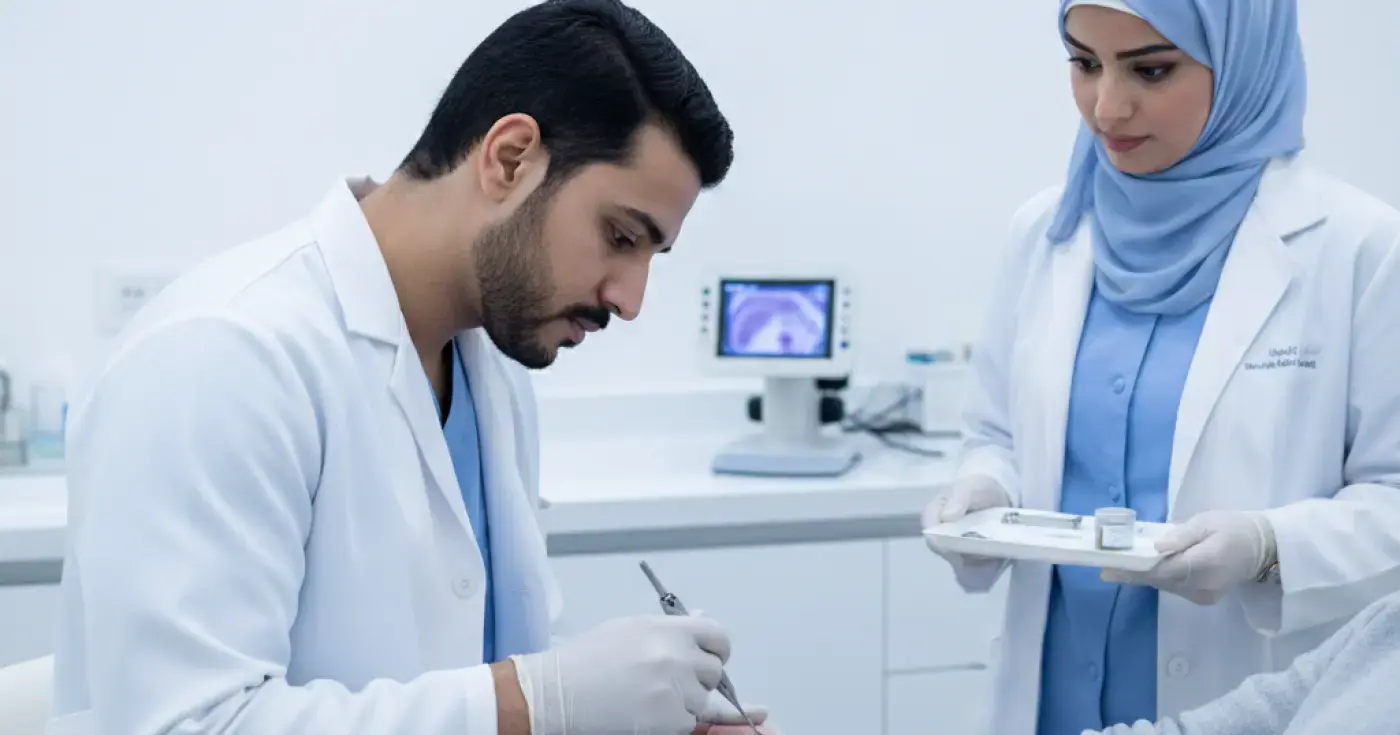
Learn about skin biopsy types, when a dermatologist recommends one, what to expect during the procedure, and how to care for the wound.
Read article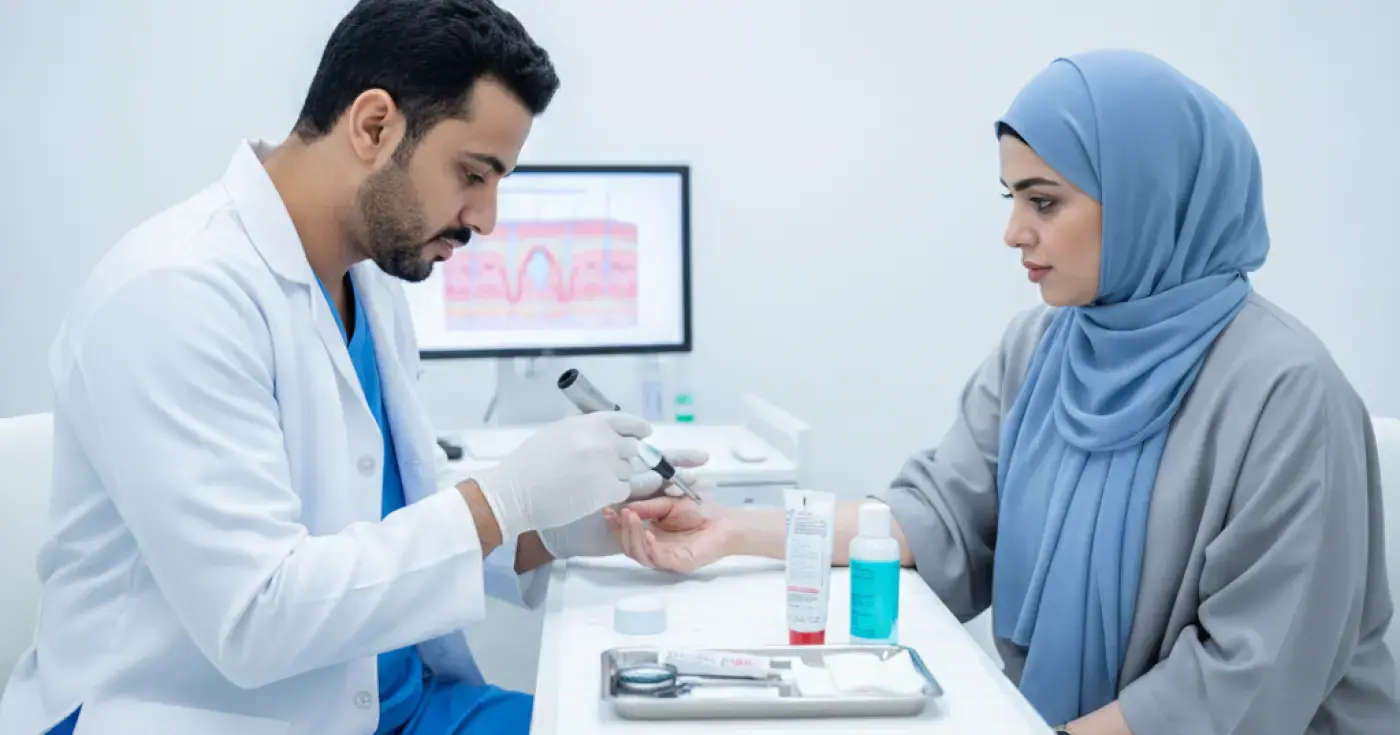
Learn if skin biopsies leave scars, how different biopsy types affect healing, and expert dermatological tips to minimize scarring and protect your skin.
Read articleExplore the topic