
Lahalak Medical PlatformDifferentiate Care
A comprehensive medical guide on the causes of scalp redness, from seborrheic dermatitis to psoriasis, and safe soothing treatments.
Advertisement
Scalp redness (erythema of the scalp) is a frequent dermatological complaint. Rather than being a standalone disease, it is a clinical sign indicating underlying irritation, inflammation, or infection. In hot and arid climates like Saudi Arabia, this condition can be exacerbated by environmental heat, excessive sweating, and wearing traditional head coverings for extended periods without adequate ventilation. Managing this condition effectively requires a precise understanding of its root causes and avoiding self-diagnosis.
Several clinical factors can trigger scalp redness, ranging from chronic dermatological disorders to acute localized infections:
This is one of the leading causes of scalp redness and flaking. It is closely linked to the overgrowth of a naturally occurring yeast on the skin called Malassezia. It presents as red patches covered with greasy, yellowish or white scales, often accompanied by persistent itching.
An autoimmune condition that accelerates skin cell turnover, resulting in well-defined, thick, red plaques covered with silvery-white scales. Psoriasis can sometimes extend beyond the hairline or behind the ears.
This occurs as an allergic or irritant reaction to specific chemical ingredients in hair care products, such as paraphenylenediamine (PPD) found in hair dyes, or harsh sulfates and preservatives in shampoos.
A bacterial or fungal infection of the hair follicles. It manifests as small, itchy, or tender red bumps or pustules surrounding individual hair shafts.
Daily habits and environmental conditions play a significant role in triggering or worsening scalp sensitivity:
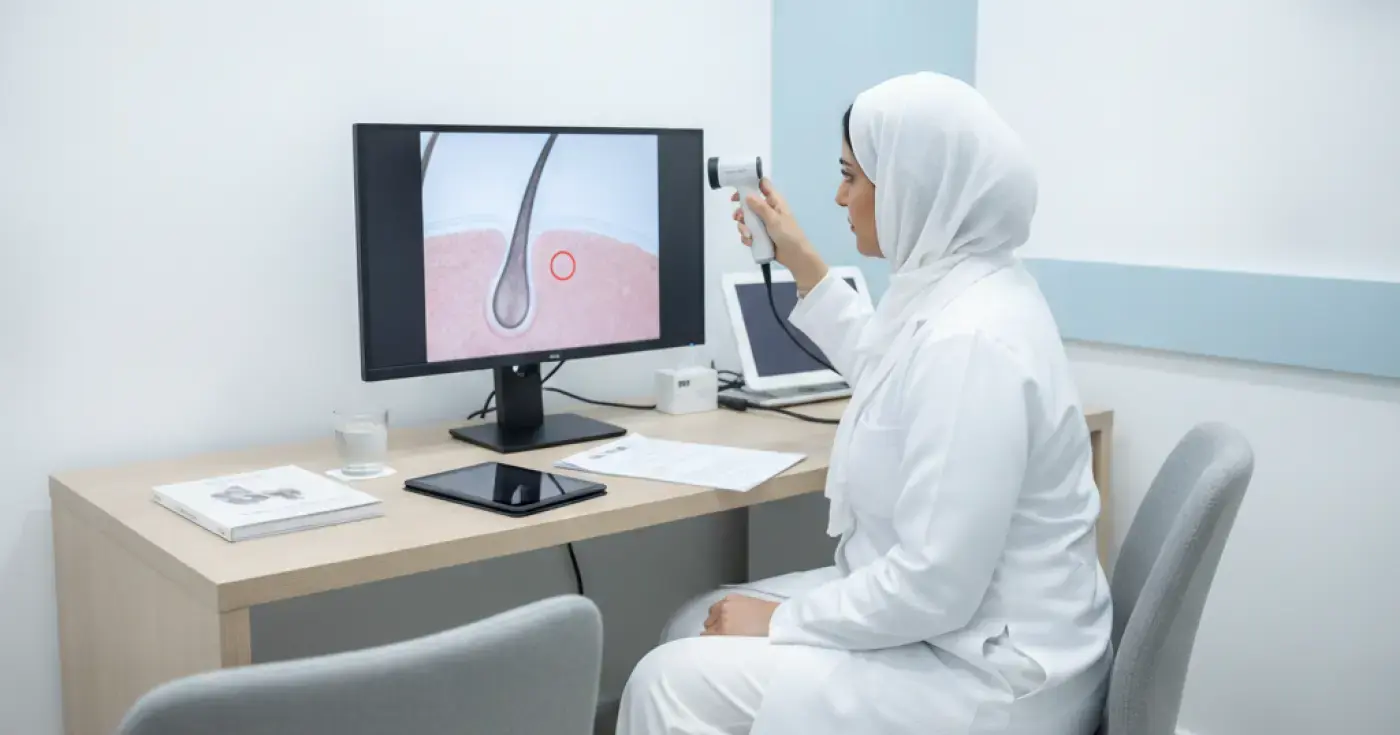
During a clinical consultation, a dermatologist will perform a thorough evaluation of the patient's medical history and lifestyle. The physical assessment typically involves a specialized scalp examination using a dermatoscope (trichoscopy) to inspect the hair follicles and microvasculature. In complex or atypical cases, a small skin biopsy may be recommended to rule out systemic autoimmune conditions.
| Condition | Key Symptoms | Primary Cause | Recommended Medical Approach |
|---|---|---|---|
| Seborrheic Dermatitis | Redness, greasy yellow scales, itching | Malassezia yeast overgrowth | Antifungal shampoos, topical anti-inflammatories |
| Scalp Psoriasis | Thick red plaques, silvery-white dry scales | Autoimmune dysfunction | Keratolytic agents, topical corticosteroids |
| Contact Dermatitis | Sudden redness, burning sensation, mild swelling | Reaction to dyes or chemical irritants | Identifying and avoiding triggers, topical soothing agents |
| Folliculitis | Small red bumps or pustules around follicles | Bacterial or fungal infection | Topical or oral antibiotics/antifungals as prescribed |
Treatment strategies depend entirely on an accurate diagnosis and may include:
In addition to medical treatments, adopting healthy daily habits can accelerate recovery and prevent future flare-ups:
While most cases of scalp redness are benign, certain warning signs require prompt medical attention. These include rapidly spreading redness, painful pus-filled blisters, sudden and severe hair loss, or a lack of improvement after two weeks of using over-the-counter soothing products.
Clear, direct answers
Advertisement
Continue exploring
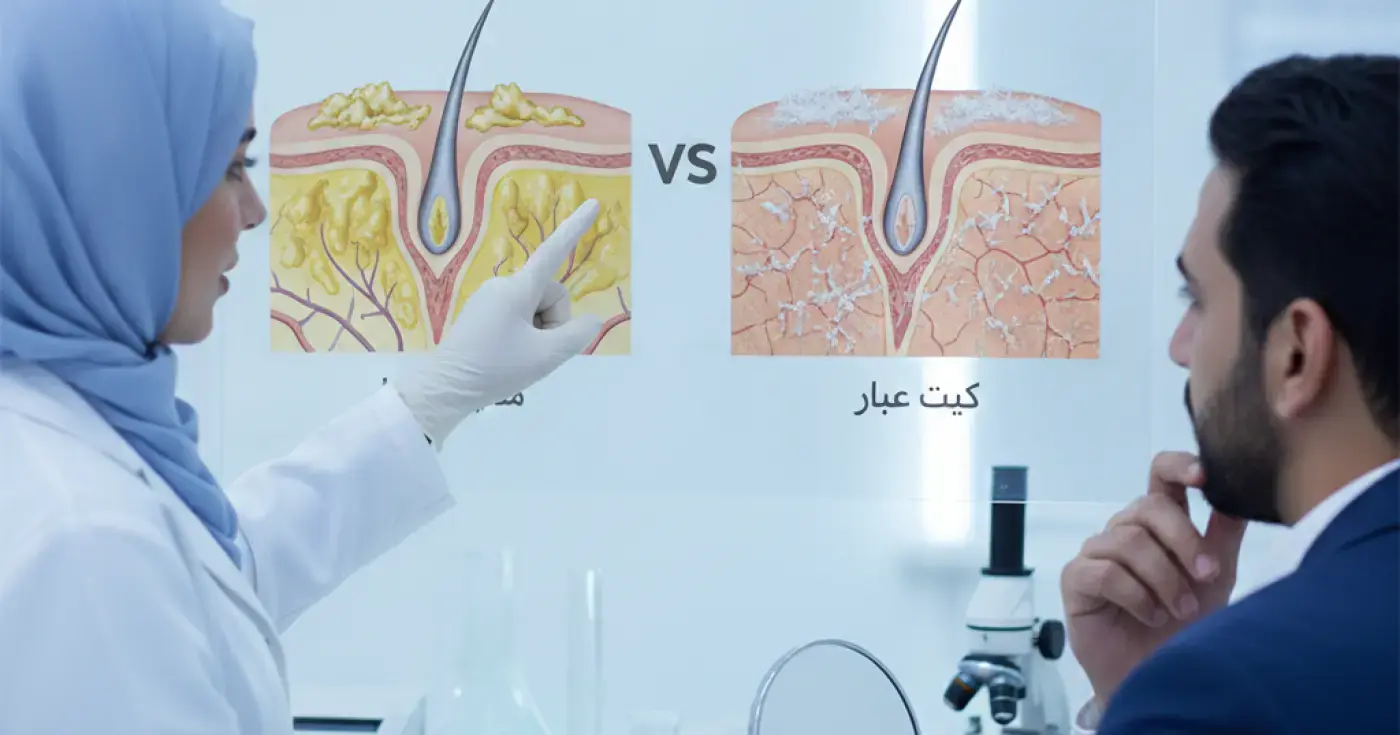
Discover the differences between oily and dry dandruff, their causes, and effective medical treatments to restore a healthy scalp.
Read article
Explore the scientific link between dandruff and hair loss. Learn about scalp health, medical treatments, and expert prevention tips.
Read article
A comprehensive medical guide on scalp inflammation, its causes like seborrheic dermatitis, symptoms, clinical treatments, and prevention tips.
Read article