
Lahalak Medical PlatformDifferentiate Care
Discover the differences between oily and dry dandruff, their causes, and effective medical treatments to restore a healthy scalp.
Advertisement
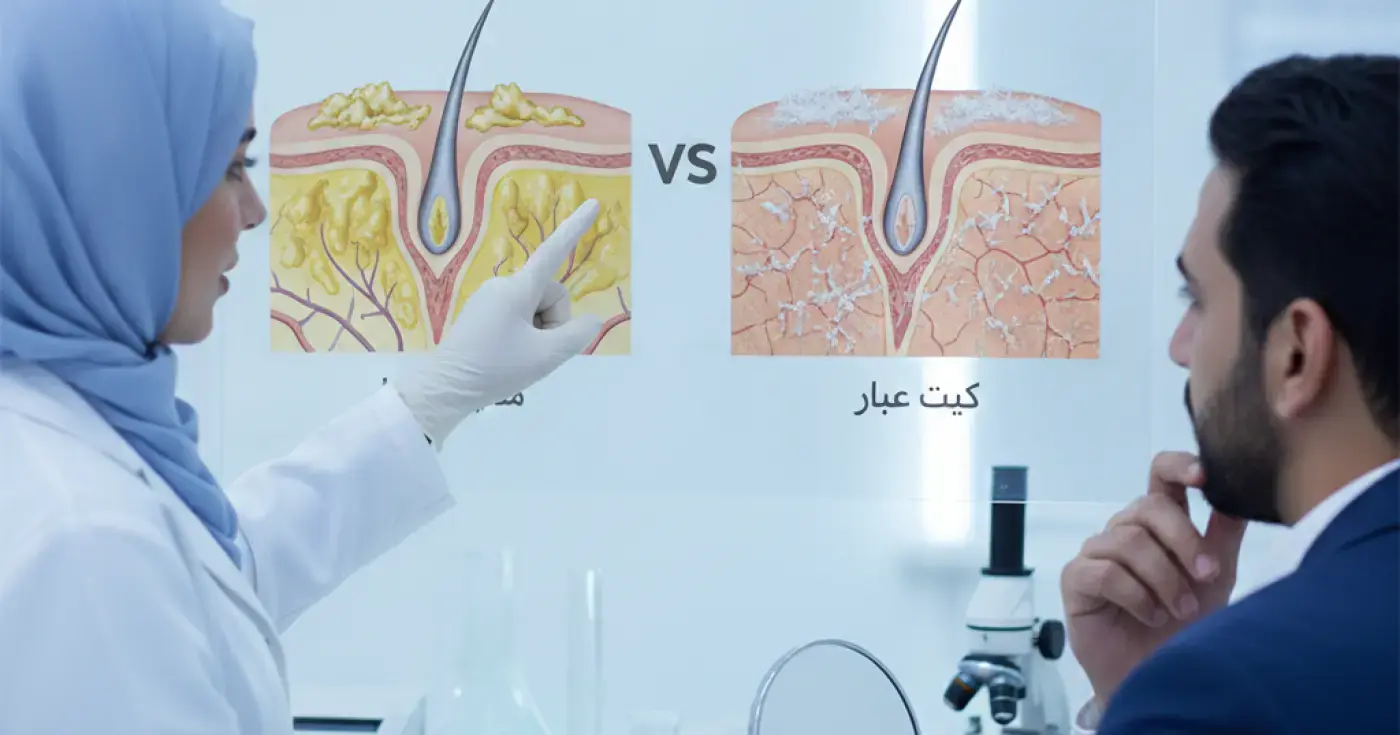
Dandruff is a highly prevalent scalp condition that affects millions of people worldwide, significantly impacting self-esteem and overall comfort. In the arid and hot climate of Saudi Arabia, scalp issues are frequently exacerbated by environmental factors, desalinated water, and frequent hair washing. However, a common mistake is treating all types of dandruff with the same products. Clinically, oily dandruff and dry dandruff are two distinct conditions with different etiologies and treatment pathways. An incorrect diagnosis can worsen the condition; applying heavy moisturizing treatments to an oily scalp can clog pores and trigger inflammation, while using harsh, drying anti-dandruff shampoos on an already dry scalp can lead to severe contact dermatitis. Therefore, understanding the medical differences is the essential first step toward restoring scalp health.
Oily dandruff occurs due to the overproduction of sebum (natural oils) by the sebaceous glands connected to hair follicles. This lipid-rich environment creates an ideal breeding ground for a lipophilic yeast-like fungus called Malassezia. This fungus metabolizes sebum, producing oleic acid as a byproduct, which irritates the scalp and accelerates the turnover rate of skin cells.
In contrast, dry dandruff is caused by a lack of moisture in the scalp, leading to dehydration of the stratum corneum (the outermost layer of the skin). This dehydration causes the skin to crack and shed tiny dead cells at an accelerated rate. This type is not primarily driven by fungal overgrowth or excess sebum, but rather by environmental factors or improper hair care habits.
To help differentiate between the two conditions, the following table outlines their key clinical differences:
| Feature | Oily Dandruff (Oily Scalp) | Dry Dandruff (Dry Scalp) |
|---|---|---|
| Primary Cause | Excess sebum production and Malassezia yeast activity | Moisture loss and dehydration of the scalp skin |
| Flake Size | Large, thick, and greasy clumps | Small, fine, and dry powder-like flakes |
| Color | Yellowish or off-white | Bright white |
| Shedding | Clings to hair and scalp; hard to shake off | Falls easily onto shoulders and clothes |
| Scalp Texture | Greasy, shiny, and sometimes inflamed/red | Dry, tight, and completely non-greasy |
| Itching Severity | Intense, persistent, and worsens with sweat | Mild to moderate, worsens after hot showers |
| Primary Treatment | Antifungals and sebum-regulating agents | Deep hydration and gentle, sulfate-free shampoos |
Several physiological and environmental factors contribute to the development and severity of dandruff:
Hormonal fluctuations, particularly elevated levels of androgens, stimulate the sebaceous glands, increasing the risk of oily dandruff, especially during adolescence and young adulthood. Additionally, the hot and humid climate in coastal regions of Saudi Arabia (such as Jeddah and Dammam) promotes sweating and sebum production, while the dry air and constant air conditioning in inland regions (such as Riyadh) contribute significantly to dry scalp and dry dandruff.
Chronic psychological stress triggers the release of cortisol, which weakens the skin barrier and increases systemic inflammation. Furthermore, diets high in refined sugars and saturated fats can stimulate sebum production, while deficiencies in essential nutrients like zinc, B vitamins, and omega-3 fatty acids compromise scalp health, making it more susceptible to dryness and irritation.
Effective management requires addressing the root cause of each condition as recommended by dermatologists:
The primary goal is to reduce fungal colonization, regulate sebum production, and deeply cleanse the scalp:
The goal is to restore moisture, soothe irritation, and protect the skin barrier:
While mild dandruff can often be managed at home, certain symptoms warrant scheduling a dermatology consultation for a professional diagnosis and prescription strength treatments:
Maintaining a healthy scalp environment requires a consistent and scientifically backed scalp care routine:
Clear, direct answers
Advertisement
Continue exploring
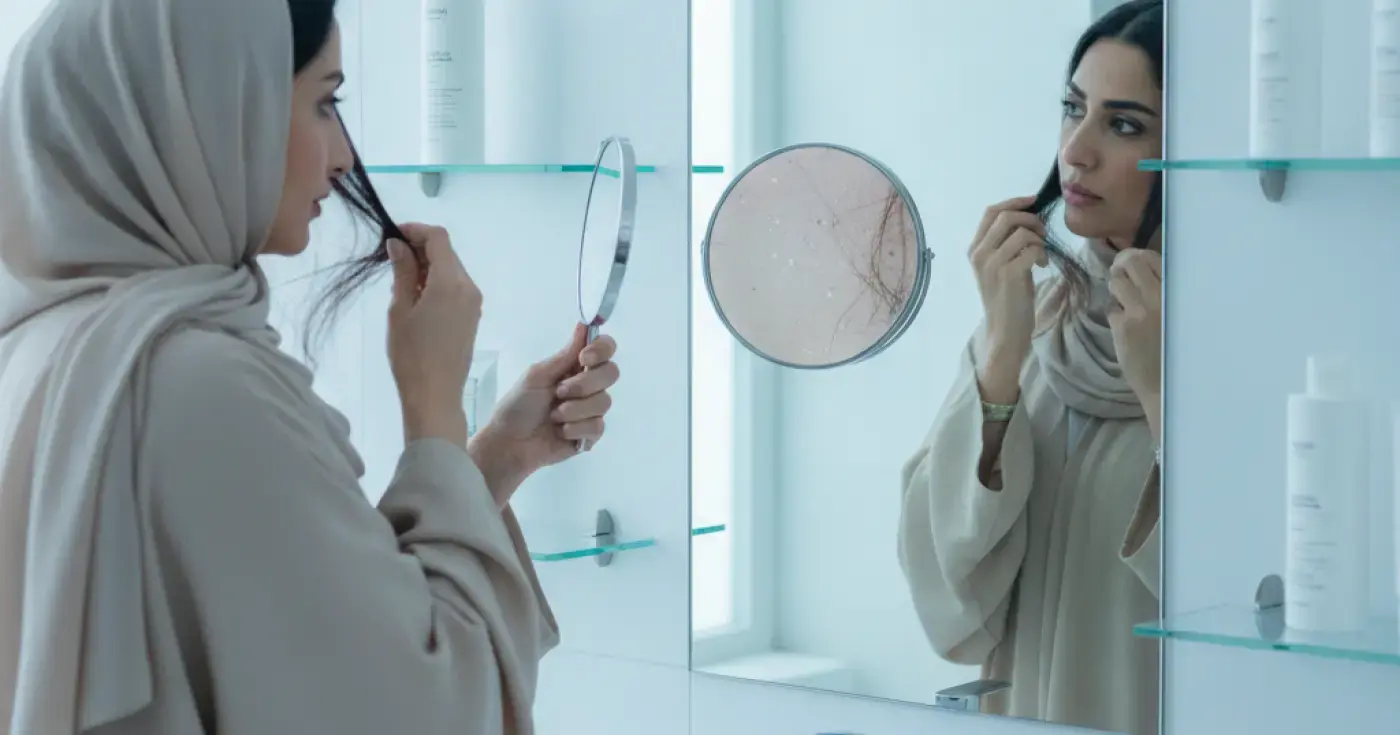
Explore the scientific link between dandruff and hair loss. Learn about scalp health, medical treatments, and expert prevention tips.
Read article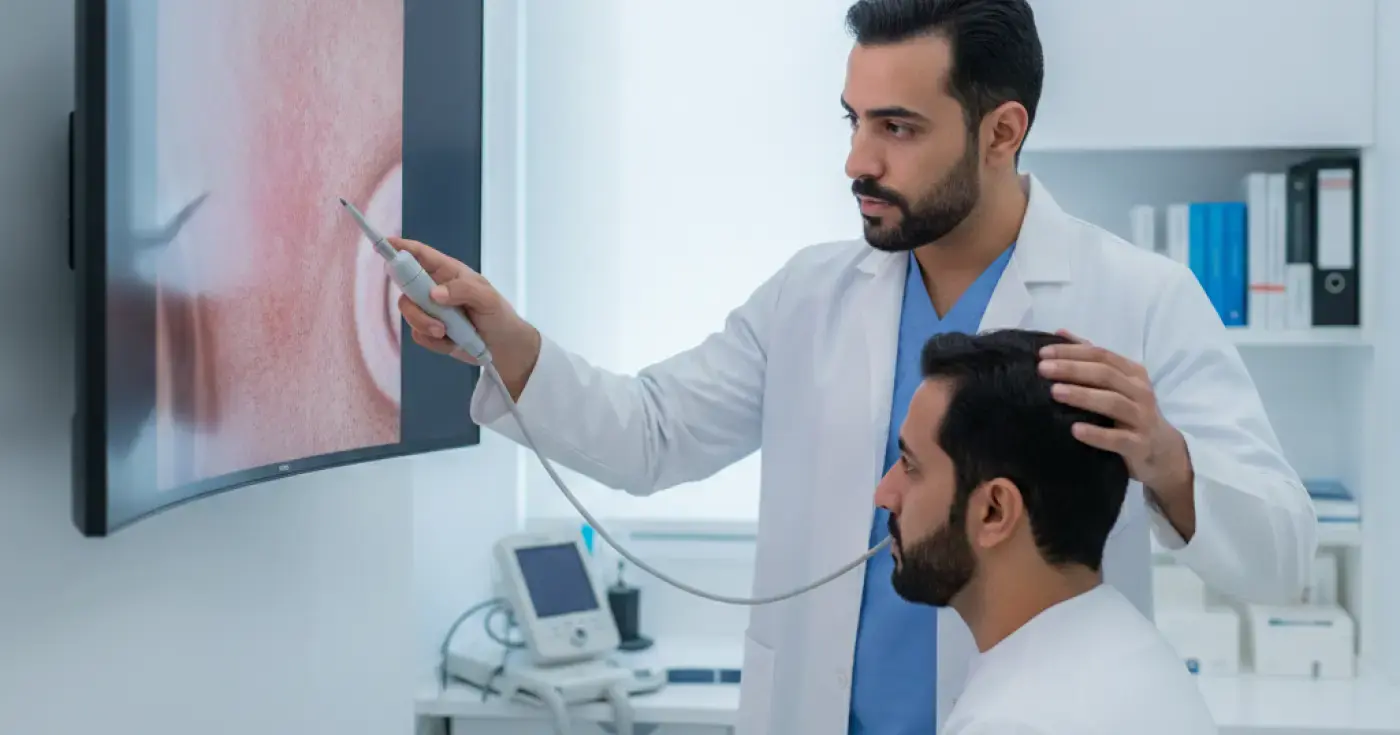
A comprehensive medical guide on scalp inflammation, its causes like seborrheic dermatitis, symptoms, clinical treatments, and prevention tips.
Read article
Discover the best medical and home treatments for dandruff. Learn about causes, prevention, and how to choose the right anti-dandruff shampoo.
Read articleExplore the topic