
Lahalak Medical PlatformDifferentiate Care
Explore the scientific link between dandruff and hair loss. Learn about scalp health, medical treatments, and expert prevention tips.
Advertisement
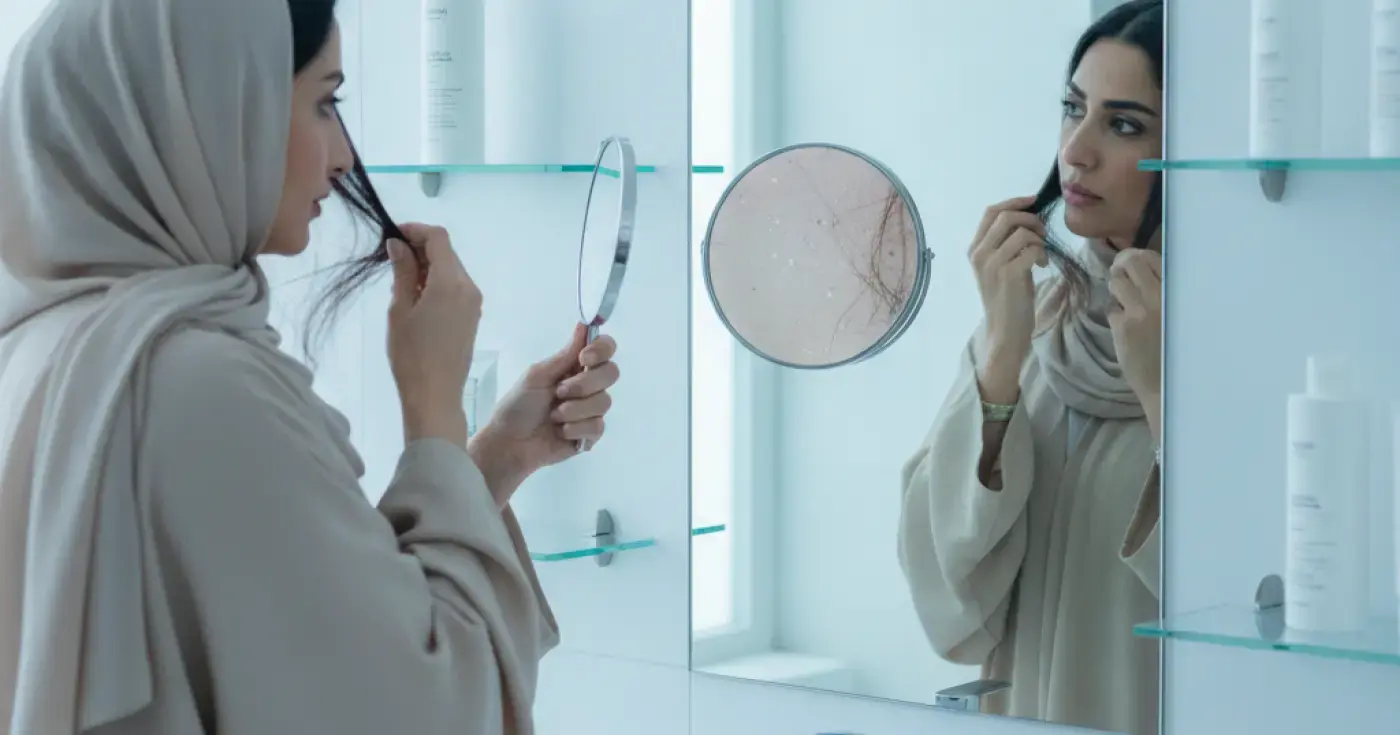
Dandruff is one of the most common scalp concerns, affecting confidence and overall appearance. With many individuals experiencing hair shedding alongside dandruff, a crucial question arises: Does dandruff directly cause hair loss? Understanding the biological and clinical connection between these two conditions is the first step toward restoring scalp health and hair vitality.
In this comprehensive guide, we will explore the scientific relationship between dandruff and hair loss, explaining how inflammation and persistent itching can negatively affect hair follicles. We will also provide practical tips and medical solutions aligned with dermatological guidelines.
Dandruff is a common scalp condition characterized by flaky, white, or gray dead skin cells on the scalp, often accompanied by mild to moderate itching. Biologically, scalp skin cells constantly renew, but in those with dandruff, this process is abnormally accelerated.
From a strict medical perspective, mild dandruff does not directly cause hair loss. Hair follicles reside deep within the dermis, while dandruff is limited to the superficial layer of the skin (the epidermis). However, the underlying conditions and symptoms associated with dandruff can indirectly lead to hair shedding.
When dandruff is left untreated, or when it stems from severe inflammatory scalp conditions, the scalp's microenvironment becomes compromised. This disruption can affect the hair growth cycle, leading to temporary hair shedding, clinically known as reactive hair loss or scalp inflammation-induced shedding.
Dandruff and its associated inflammation affect hair follicles through several mechanical and biological pathways:
Dandruff often causes intense itching. Scratching the scalp vigorously and repeatedly causes micro-injuries to the skin and damages the outer root sheath of hair follicles. This physical trauma weakens hair roots, leading to breakage or premature shedding.
The overgrowth of Malassezia yeast leads to the release of irritating free fatty acids (such as oleic acid) from sebum breakdown. These acids penetrate the skin barrier, triggering micro-inflammation around the hair follicles, which can disrupt the active growth phase (anagen) and push hair prematurely into the shedding phase.
An accumulation of dead skin cells and excess sebum can form a thick layer on the scalp. This buildup can clog follicular openings, restricting oxygen and essential nutrients from reaching the hair roots, resulting in weaker, thinner hair growth.
Often, hair loss and dandruff are concurrent symptoms of an underlying dermatological condition that requires a precise diagnosis through a dermatologist consultation. These conditions include:
Certain environmental and lifestyle factors can exacerbate dandruff and associated hair shedding:
It is essential to distinguish between daily physiological hair shedding and pathological hair loss associated with scalp issues:
| Feature | Normal Shedding (Physiological) | Scalp-Related Hair Loss |
|---|---|---|
| Daily Rate | 50 to 100 hairs per day. | Significantly exceeds 100 hairs consistently. |
| Scalp Condition | Healthy, clean, no redness or scaling. | Irritated, red, covered with white/yellow scales. | Associated Symptoms | None. | Intense itching, tenderness, or burning sensation. |
| Shedding Pattern | Evenly distributed across the scalp. | Concentrated in highly irritated or flaky areas. |
| Treatment Response | No medical treatment needed; standard care. | Improves once the underlying scalp issue is treated. |
Effective management requires a dual approach focusing on eliminating the root cause of dandruff and soothing the scalp to protect hair follicles:
Medicated shampoos are the first line of defense. Choose a shampoo based on the active ingredient suited for your condition:
For severe inflammation and redness, a dermatologist may prescribe topical steroid drops or lotions to quickly reduce itching and inflammation, preventing mechanical damage from scratching.
While most dandruff cases can be managed with over-the-counter products, certain signs warrant a clinical scalp analysis by a specialist:
A doctor may also recommend a vitamin and mineral blood test to rule out nutritional deficiencies contributing to concurrent hair shedding.
To prevent dandruff recurrence and protect your hair from shedding long-term, consider these guidelines:
Clear, direct answers
Advertisement
Continue exploring
A comprehensive medical guide on scalp inflammation, its causes like seborrheic dermatitis, symptoms, clinical treatments, and prevention tips.
Read article
Discover the best medical and home treatments for dandruff. Learn about causes, prevention, and how to choose the right anti-dandruff shampoo.
Read article
A comprehensive medical guide on the causes of persistent scalp itching, clinical diagnosis, and effective treatment options.
Read article