
Lahalak Medical PlatformDifferentiate Care
A comprehensive medical guide on the causes of persistent scalp itching, clinical diagnosis, and effective treatment options.
Advertisement
Persistent scalp itching (pruritus) is a common dermatological concern that goes beyond mere temporary discomfort. In many cases, chronic itching is a clinical sign of an underlying scalp condition that requires proper medical evaluation. When itching persists over a long period and is accompanied by redness, flaking, or hair shedding, it directly impacts daily quality of life and psychological well-being. This comprehensive guide details the common medical causes, diagnostic approaches, and evidence-based treatment options.
Several factors can trigger persistent scalp irritation and itching, categorized into primary medical conditions:
Seborrheic dermatitis is one of the most frequent causes. It is an inflammatory skin condition characterized by greasy, white, or yellowish scales on an erythematous (red) base. This condition is closely linked to an overgrowth of Malassezia, a yeast-like fungus that feeds on the natural sebum produced by scalp hair follicles.
Psoriasis is an autoimmune skin disorder that accelerates the life cycle of skin cells, causing them to build up rapidly on the surface. On the scalp, this presents as thick, dry, silvery-white plaques that itch intensely. Scratching these plaques can lead to bleeding and localized hair loss.
This occurs as an allergic or irritant reaction to chemical ingredients found in hair care products. Common culprits include hair dyes containing paraphenylenediamine (PPD), harsh sulfates, synthetic fragrances, and certain preservatives.
A highly contagious fungal infection of the scalp skin and hair shafts. While more common in children, it can affect adults. It typically presents as itchy, scaly, round patches of hair loss with broken-off hairs at the scalp surface.
A lack of adequate moisture in the stratum corneum can lead to itching. This is often exacerbated by cold weather, washing hair with excessively hot water, or using stripping shampoos, resulting in fine, dry flakes and mild to moderate itching.
| Condition | Key Symptoms | Scalp Appearance | Primary Treatment |
|---|---|---|---|
| Seborrheic Dermatitis | Itching, greasy yellow flakes | Redness with oily scaling | Antifungal shampoos (Ketoconazole) |
| Scalp Psoriasis | Intense itch, burning sensation | Thick, silvery-white plaques | Topical corticosteroids, salicylic acid |
| Contact Dermatitis | Sudden itch after product use | Redness, swelling, tiny blisters | Avoiding trigger, mild topical steroids |
| Tinea Capitis | Severe itch, localized hair loss | Scaly patches, black dots (broken hair) | Oral antifungal medications |
While many cases of scalp itch can be managed with over-the-counter solutions, certain symptoms warrant a prompt consultation with a dermatologist to prevent complications:
To determine the exact cause of chronic scalp itching, a specialist will perform several diagnostic steps:
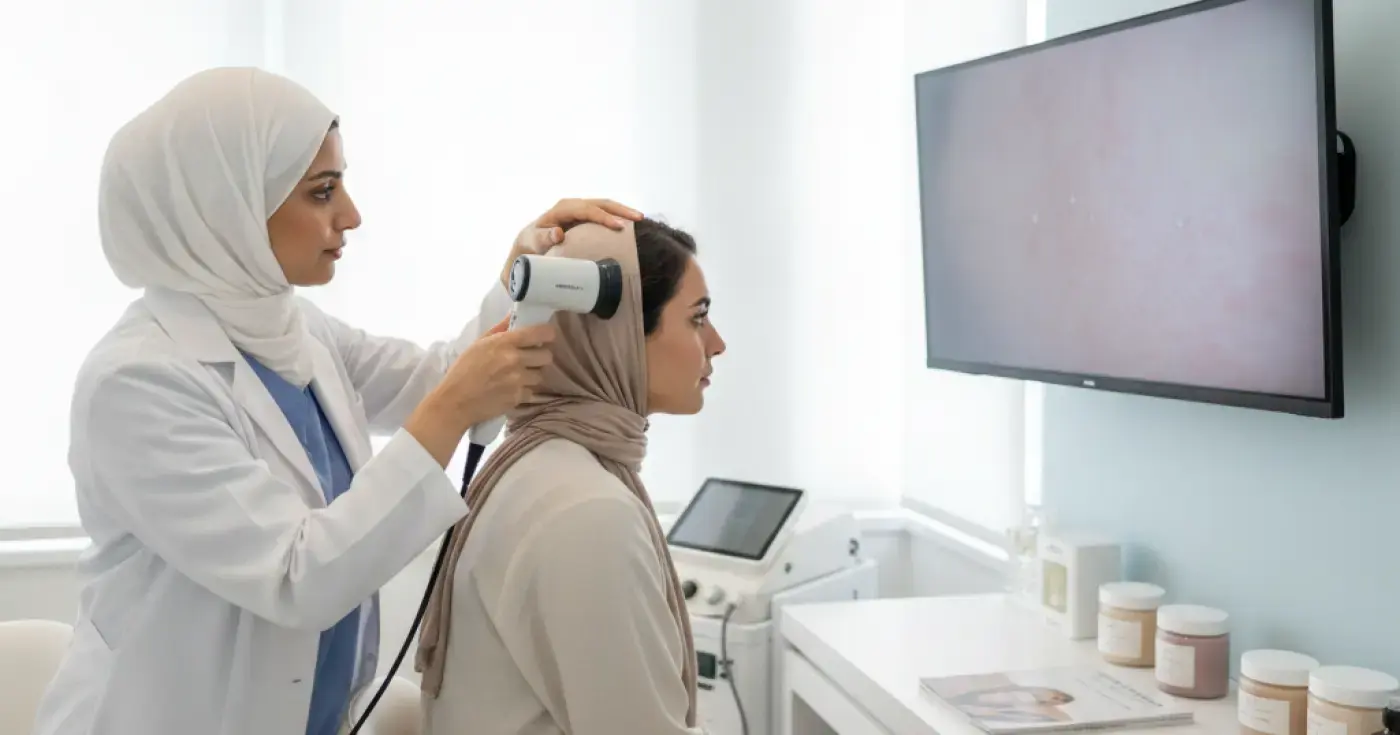
The dermatologist examines the scalp and hair shafts using a specialized magnifying tool called a dermoscope (or trichoscope). This allows for detailed visualization of vascular patterns, follicular openings, and scaling characteristics.
If a fungal or bacterial infection is suspected, the doctor may take a gentle scraping of the scales or collect hair samples for microscopic examination and culture. In complex or atypical cases, a small scalp biopsy may be performed to confirm autoimmune or inflammatory skin diseases.
Effective treatment depends entirely on addressing the specific underlying pathology:
For deep-seated fungal infections like Tinea Capitis, topical treatments are insufficient. Oral antifungal medications must be prescribed for several weeks, occasionally requiring blood tests to monitor liver function.
Establishing a proper scalp care routine is essential to support medical treatments and prevent recurrences:
Misconceptions about scalp care often lead to inappropriate self-treatment:
Persistent scalp itching is a clinical symptom that should not be ignored. Successful management relies on an accurate diagnosis followed by a targeted treatment plan. By combining prescribed medical therapies with gentle, daily scalp hygiene, you can restore scalp health and protect your hair. Avoid self-diagnosing with unverified home remedies, and consult a board-certified dermatologist for personalized care.
Clear, direct answers
Advertisement
Continue exploring
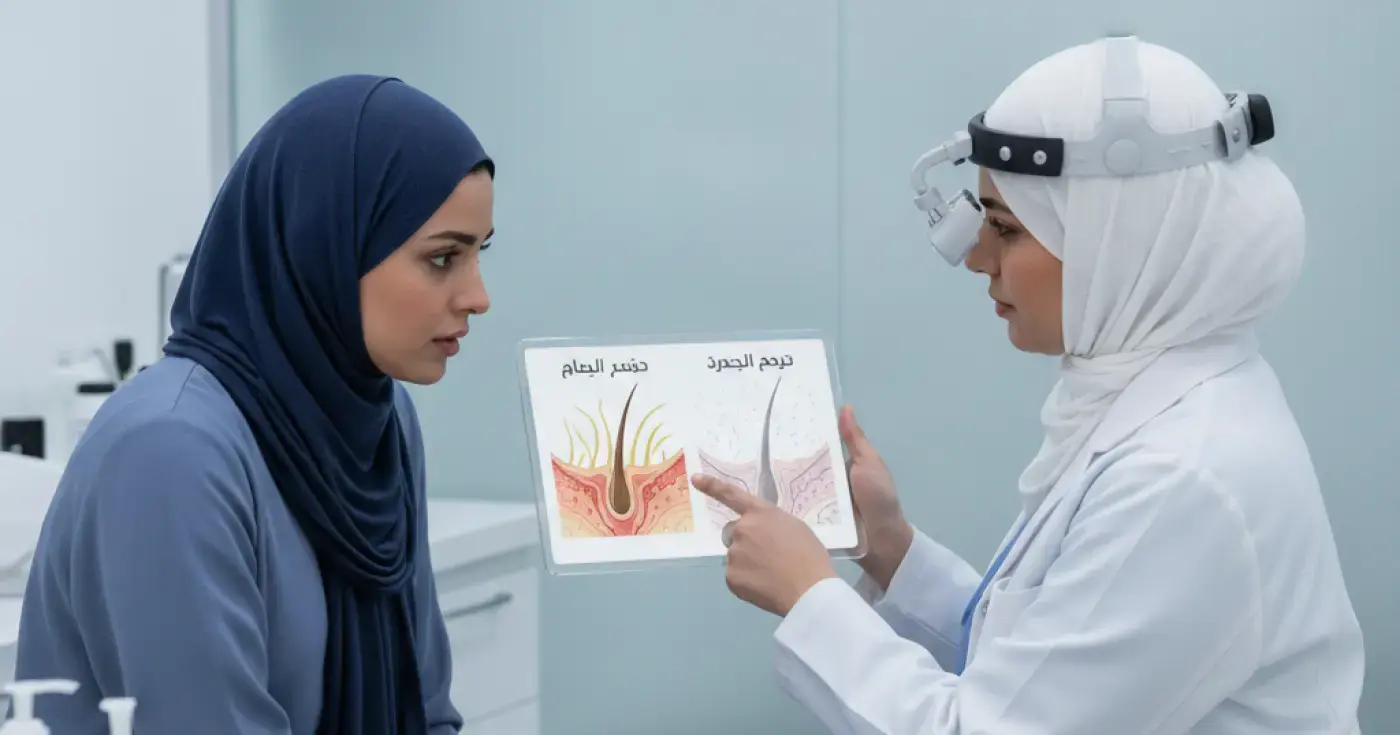
Learn the differences between dandruff and dry scalp. Discover causes, symptoms, and effective medical and home treatments for healthy hair.
Read article
Discover the primary causes of scalp irritation, from seborrheic dermatitis to contact allergy, and learn effective medical and home remedies.
Read article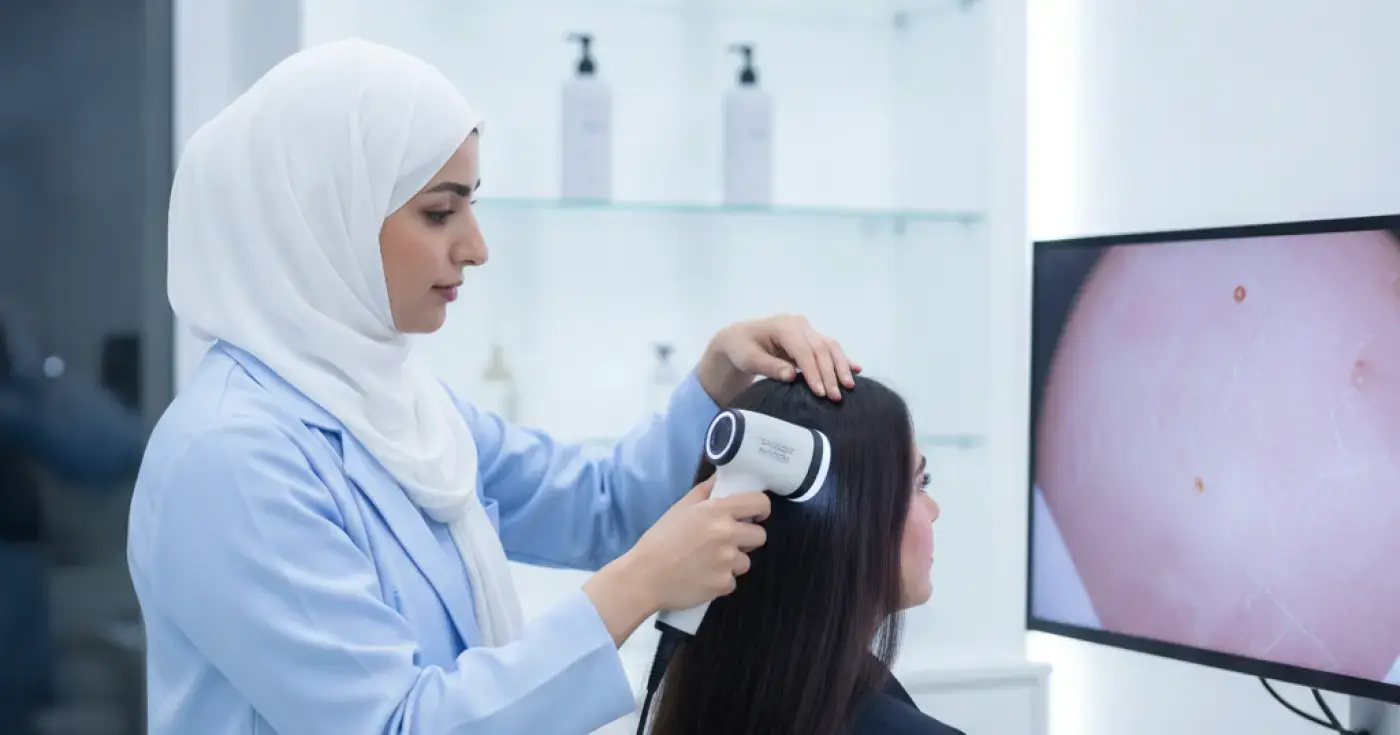
Discover the medical causes of dandruff, how to differentiate it from dry scalp, and the most effective clinical treatments and medicated shampoos.
Read article