
Lahalak Medical PlatformDifferentiate Care
Discover the medical causes of dandruff, how to differentiate it from dry scalp, and the most effective clinical treatments and medicated shampoos.
Advertisement
Dandruff, clinically known as Pityriasis capitis, is one of the most common dermatological conditions affecting millions of people worldwide. Although it is not a serious or contagious medical condition, it can cause significant social embarrassment, psychological distress, persistent itching, and scalp irritation. Dandruff occurs when the natural process of skin cell renewal on the scalp accelerates, leading to a rapid buildup and shedding of dead skin cells as visible white or grey flakes on the hair and shoulders.
To understand this issue deeply, it is essential to know that the scalp contains sebaceous glands that secrete sebum (natural oils) to protect the skin. When the biological balance of the scalp is disrupted, these cells begin to multiply and die much faster than normal. In this comprehensive medical guide, we will explore the underlying causes of this phenomenon, how to differentiate it from similar scalp conditions, and the latest medically approved treatment options.
Many people confuse dandruff, which is associated with excess oil production, with a simple dry scalp. Misdiagnosing the condition can lead to choosing the wrong treatment, which may worsen the irritation. The following table highlights the fundamental differences between the two conditions to help you make an accurate assessment:
| Feature | Dandruff (Pityriasis Capitis) | Dry Scalp |
|---|---|---|
| Flake Appearance | Larger, oily, yellowish or white flakes that may stick to the hair shaft. | Very small, dry, white flakes that fall off easily when the hair is touched. |
| Primary Cause | Excess sebum production and overgrowth of Malassezia yeast. | Loss of natural moisture due to cold weather, dry air, or harsh shampoos. |
| Scalp Condition | Appears oily, irritated, and may show signs of redness and inflammation. | Feels dry and tight, often accompanied by dry skin on other parts of the body. |
| Itching | Persistent, sometimes intense itching accompanied by scalp irritation. | Mild to moderate itching caused by dryness and skin tightness. |
| Primary Treatment | Medicated antifungal and sebum-regulating shampoos. | Deep hydration, sulfate-free shampoos, and avoiding hot water. |
Dandruff is not caused by a single direct factor; rather, it is the result of a complex interaction between biological and environmental elements. The main causes include:
This yeast-like fungus lives naturally on the scalps of most healthy adults without causing issues. However, in some individuals, the fungus feeds on the sebum secreted by hair follicles, producing oleic acid as a byproduct. Some people are highly sensitive to this acid, which triggers an inflammatory response, accelerating skin cell turnover and resulting in dandruff flakes.
This medical condition is a major cause of severe dandruff. It is not limited to the scalp; it can also appear in areas rich in sebaceous glands, such as the eyebrows, sides of the nose, and behind the ears. It is characterized by red, irritated skin covered with greasy yellow or white scales.
This type of localized inflammation occurs as an allergic reaction to certain ingredients in hair care routine products, such as hair dyes, styling sprays, and shampoos containing synthetic fragrances or harsh chemicals like sulfates and parabens.
Not washing your hair regularly allows oils and dead skin cells to accumulate, creating an ideal environment for yeast to thrive. Conversely, washing your hair too frequently with harsh shampoos can strip the scalp of its natural protective oils, prompting the sebaceous glands to overproduce sebum as a defense mechanism.
The symptoms of dandruff can range from mild to highly bothersome. The most common symptoms include:
While most cases of dandruff can be managed with over-the-counter products, certain clinical signs warrant booking a dermatology consultation for a professional diagnosis and a targeted treatment plan. These signs include:
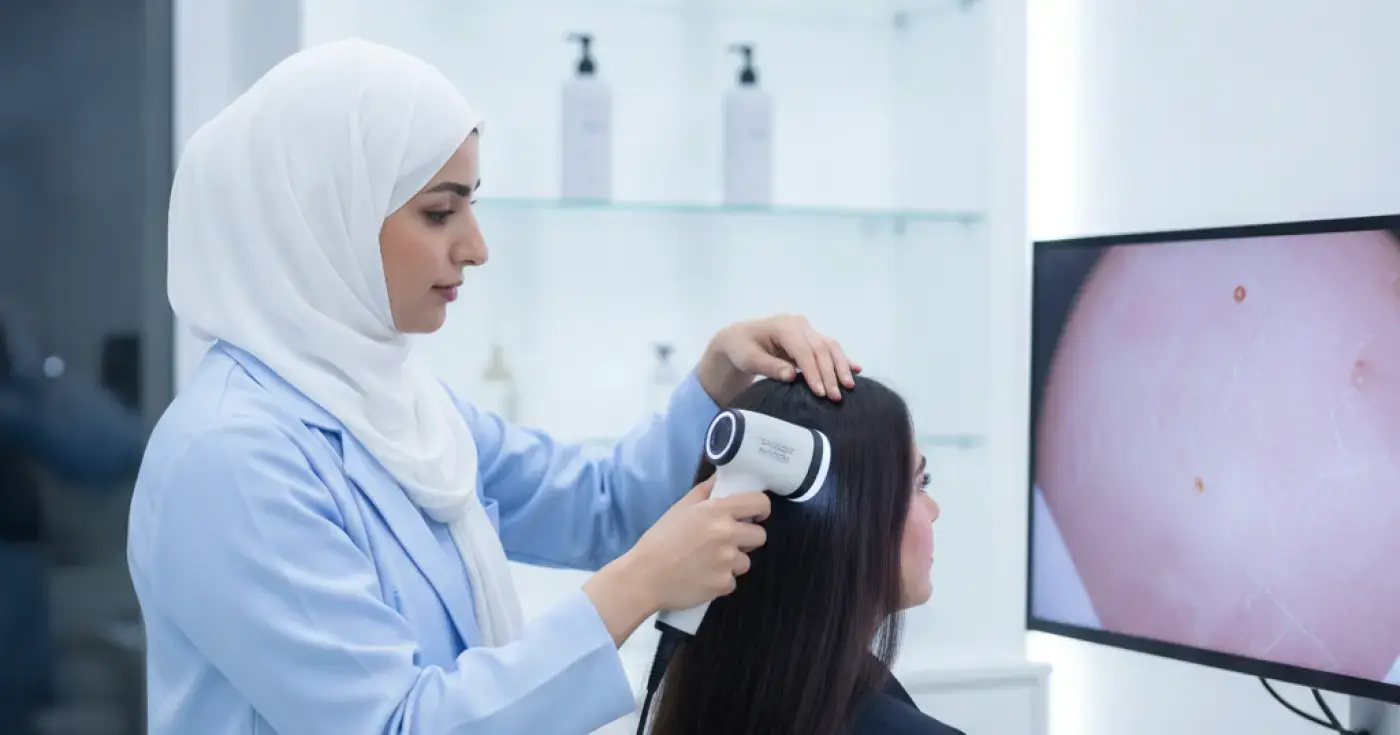
During a clinical visit, a dermatologist will perform a thorough physical examination of your scalp and hair. In most cases, a visual inspection is sufficient to diagnose dandruff and determine whether it is standard dandruff, seborrheic dermatitis, or psoriasis. For advanced or atypical cases, the doctor may use trichoscopy—a high-magnification scalp imaging tool—to evaluate follicle health, inspect the skin barrier, and rule out other underlying scalp disorders.
An effective treatment plan depends on identifying the underlying cause and severity of the dandruff. Medical treatments are categorized into several key classes:
These are the first line of defense and are classified by their active ingredients:
For severe inflammation and intense itching, a dermatologist may prescribe mild topical corticosteroid lotions or foams to rapidly reduce inflammation and soothe the scalp, or high-strength topical antifungals.
Alongside medical treatments, daily habits play a crucial role in maintaining scalp health and preventing dandruff recurrence. Key preventive recommendations include:
In conclusion, dandruff is a highly manageable condition when its causes are understood and addressed with the right therapeutic and preventive routine. If you experience persistent, severe flaking, consulting a specialist ensures an accurate diagnosis and prevents unnecessary complications.
Clear, direct answers
Advertisement
Continue exploring

Explore the latest medical breakthroughs for alopecia and hair loss in Saudi Arabia, including approved JAK inhibitors, PRP therapy, and oral minoxidil.
Read article
Explore the connection between vitamin deficiencies and alopecia areata. Learn about essential tests, medical treatments, and nutritional support.
Read article
A comprehensive guide on the psychological effects of alopecia, coping mechanisms for anxiety, and practical ways to rebuild self-confidence.
Read articleExplore the topic