
Lahalak Medical PlatformDifferentiate Care
A comprehensive guide on the psychological effects of alopecia, coping mechanisms for anxiety, and practical ways to rebuild self-confidence.

Advertisement
Alopecia is a common dermatological condition characterized by hair loss, often presenting as patchy bald spots on the scalp or body. While many view it purely as a cosmetic concern, its true impact penetrates deeply into the patient's psychological well-being. Hair is a fundamental component of personal identity and self-expression; its sudden loss can trigger profound emotional trauma, affecting daily life, social interactions, and overall mental health.
The skin and the nervous system share a common embryonic origin, explaining the continuous interaction between mental health and dermatological conditions. This specialized field is known as psychodermatology. Studies show that severe psychological stress can trigger or exacerbate autoimmune alopecia episodes by releasing stress hormones that negatively affect hair follicles. Conversely, the resulting hair loss increases stress levels, creating a vicious cycle that requires a holistic approach combining medical care and psychological support.
People living with alopecia often face significant challenges in public settings, fearing stares or intrusive questions. This social anxiety can lead individuals to avoid social gatherings, miss work or school, and gradually withdraw into isolation.
An alopecia patient often experiences stages of grief similar to losing a loved one: denial, anger, bargaining, depression, and acceptance. Losing hair represents a loss of the self-image and identity they have known their entire lives, requiring time and deep understanding to process.
Hair loss is closely linked to a decline in self-confidence and self-worth. Patients may feel they have lost their physical appeal, which can negatively impact personal and professional relationships. In severe cases, this can develop into clinical depression requiring professional intervention.
In many cultures, hair holds immense aesthetic and social value. For women, thick, healthy hair is often viewed as a symbol of femininity, making alopecia particularly painful. For men, losing facial hair or eyebrows due to alopecia areata can alter their familiar masculine appearance. Overcoming these challenges requires raising public awareness, correcting misconceptions, and emphasizing that alopecia is a non-contagious autoimmune condition that does not define a person's worth.
Cognitive Behavioral Therapy (CBT) helps patients identify and challenge negative thoughts about their appearance, replacing them with more balanced, positive perspectives. By focusing on personal achievements and inner qualities, patients can rebuild self-esteem independent of physical appearance.
There is no shame in utilizing cosmetic solutions to enhance appearance and peace of mind. Options include high-quality wigs, stylish headscarves, eyebrow microblading, or even choosing to shave the head completely as a bold statement of empowerment and control.
Connecting with others going through the same journey reduces feelings of loneliness. Support groups offer a safe space to share practical tips and emotional experiences, fostering a sense of belonging and collective strength.
| Strategy | Psychological Goal | Practical Implementation |
|---|---|---|
| Cognitive Behavioral Therapy | Reduce anxiety and reframe negative thoughts | Sessions with a licensed therapist to modify behavioral patterns |
| Cosmetic Solutions & Alternatives | Restore a familiar appearance temporarily | Using wigs, scarves, or medical-grade makeup |
| Support Groups & Empowerment | Break isolation and share experiences | Joining local or digital alopecia support networks |
| Stress Management & Relaxation | Lower stress hormone levels | Practicing yoga, meditation, and regular exercise |
Seeking appropriate medical alopecia treatment under the guidance of a qualified dermatologist significantly improves mental well-being. Taking active steps toward management fosters hope and optimism. Treatment options may include topical corticosteroids, minoxidil, or modern JAK inhibitors, alongside a comprehensive hair loss screening to rule out other underlying causes.
Patients should not hesitate to seek professional mental health support if they notice signs of worsening emotional health, such as persistent sadness lasting more than two weeks, loss of interest in daily activities, sleep disturbances, or constant negative self-talk. A specialist can help design a personalized coping plan and utilize a self-confidence assessment to monitor progress.
Family and friends play a crucial role in the recovery journey. It is best to avoid offering unverified medical advice or constantly commenting on hair changes. Instead, focus on active listening, showing unconditional love, and encouraging the individual to pursue hobbies and focus on their unique strengths.
Ultimately, alopecia does not define who you are or diminish your value as a human being. Accepting the condition and facing it with resilience is the first step toward emotional and physical healing. By combining specialized medical care with continuous psychological support, individuals with alopecia can lead fulfilling, confident, and successful lives.
Clear, direct answers
Advertisement
Continue exploring
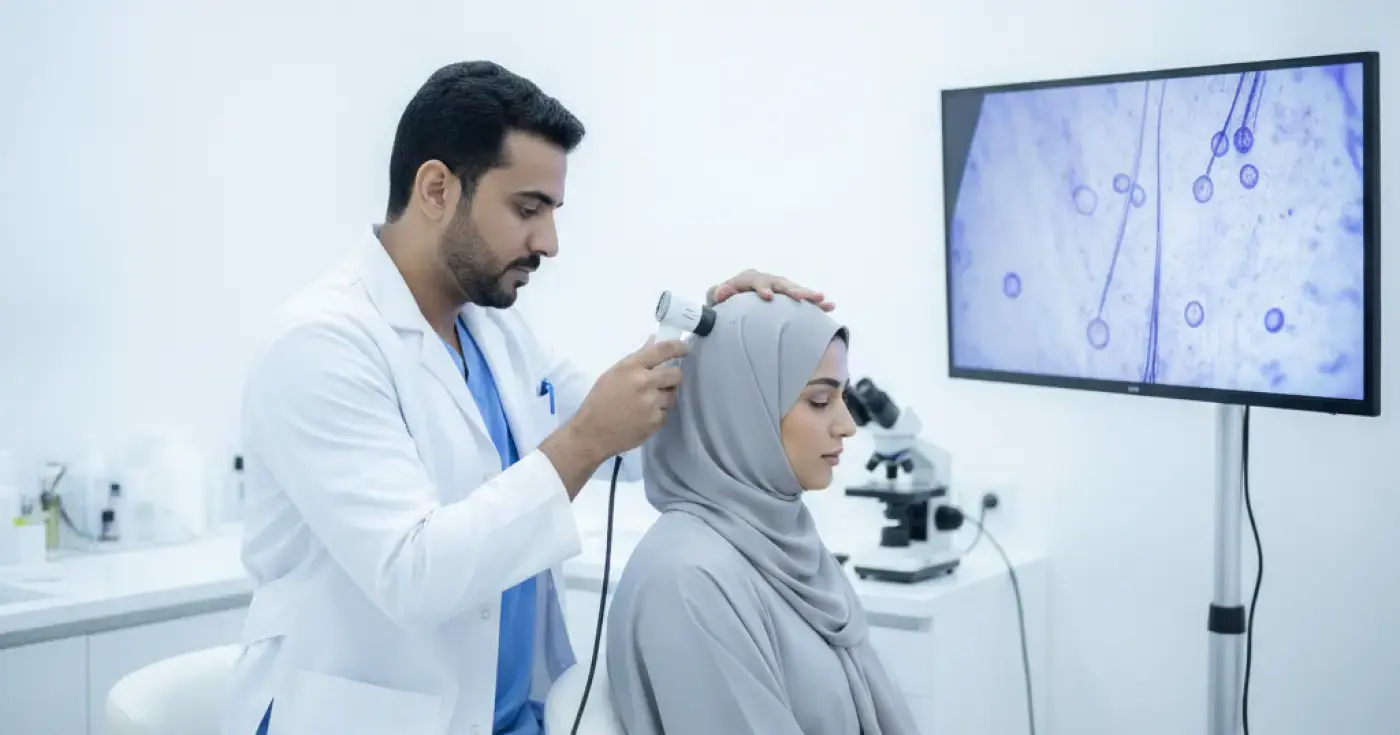
Learn about the importance of early alopecia diagnosis and the key medical tests and blood panels used to identify hair loss types.
Read article
Learn why alopecia areata recurs after treatment and discover clinical strategies, lifestyle tips, and advanced therapies to prevent relapse.
Read article
Explore the medical facts about natural remedies for alopecia. Learn about essential oils, supplements, and the risks of scalp irritation.
Read article