
Lahalak Medical PlatformDifferentiate Care
Explore the medical facts about natural remedies for alopecia. Learn about essential oils, supplements, and the risks of scalp irritation.
Advertisement
Alopecia areata is a common dermatological condition characterized by sudden, patchy hair loss on the scalp or body. This disorder occurs when the body's immune system mistakenly attacks hair follicles, causing them to enter a resting phase and shed hair. Many patients seek alternative options, and natural remedies often emerge as popular choices. However, understanding the limitations and medical risks of these treatments is crucial.
Various natural recipes are widely discussed for managing alopecia, ranging from essential oils to dietary supplements and lifestyle modifications. Here is an overview of the most common approaches:
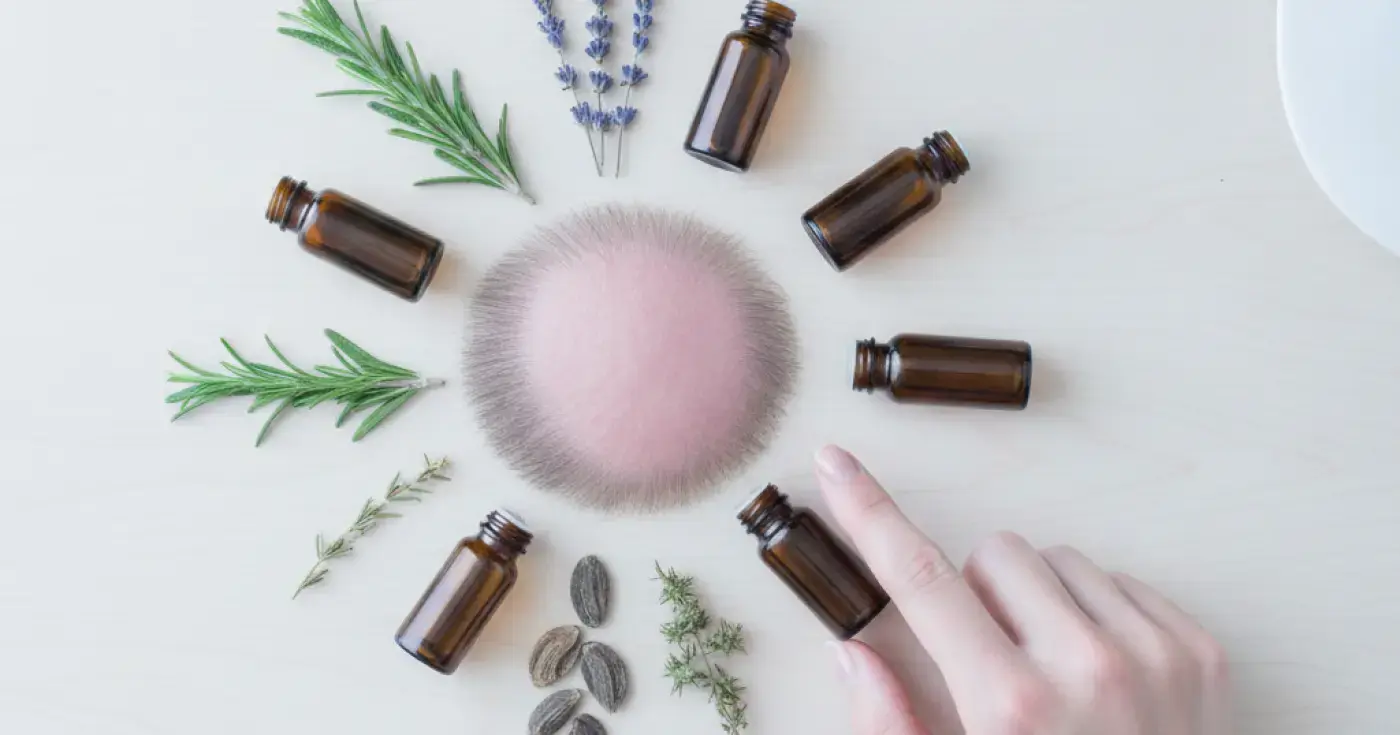
Some limited studies suggest that massaging the scalp with a blend of essential oils may help stimulate local blood circulation. Popular choices include lavender, rosemary, and thyme oils. These must always be diluted in a carrier oil, such as jojoba or sweet almond oil, to prevent severe skin irritation.
Many individuals turn to supplements like biotin, zinc, iron, and ginseng. While these nutrients support overall hair health, there is no definitive clinical evidence that they can cure autoimmune alopecia on their own, unless a deficiency is confirmed via a Vitamin and Mineral Test.
Adopting an anti-inflammatory diet rich in antioxidants, such as leafy greens and omega-3 fatty acids, may help reduce systemic inflammation and support immune health indirectly.
The primary benefit of natural remedies lies in improving the overall condition of the scalp and remaining hair, as well as reducing stress through massage and relaxation techniques. However, these methods should not replace specialized medical care. Instead, they can be viewed as supportive measures under professional guidance, integrated into a proper plan for Hair and Scalp Care.
Despite the common belief that natural means safe, there are real risks associated with the unsupervised use of home remedies:
| Comparison Feature | Approved Medical Treatments (e.g., Corticosteroids, JAK Inhibitors) | Natural Remedies & Alternatives |
|---|---|---|
| Scientific Evidence | Strong, proven through extensive clinical trials | Limited, mostly based on anecdotal reports |
| Mechanism of Action | Directly targets the immune system to stop follicle attacks | Improves local blood circulation and nourishes hair |
| Side Effects | Well-documented and medically managed to minimize risk | Can cause severe irritation or chemical burns if misused |
| Efficacy | High success rate in stimulating regrowth in active patches | Limited, serves primarily as a supportive aid |
It is highly recommended to seek a Dermatologist Consultation as soon as you notice circular bald patches or sudden, excessive hair loss. Early diagnosis allows for a tailored treatment plan that prevents further progression and safely maximizes regrowth potential.
Alongside your medical treatment plan, the following daily practices can help manage the condition:
Clear, direct answers
Advertisement
Continue exploring
A comprehensive medical guide on eyebrow and eyelash alopecia areata, covering autoimmune causes, clinical diagnosis, and advanced treatment options.
Read article
A comprehensive medical guide on scalp alopecia areata, its early signs, approved treatments in Saudi Arabia, and expert daily care tips.
Read article
Learn the truth about curing alopecia permanently, explore SFDA-approved treatments like JAK inhibitors in Saudi Arabia, and find coping tips.
Read articleExplore the topic