
Lahalak Medical PlatformDifferentiate Care
Explore the connection between vitamin deficiencies and alopecia areata. Learn about essential tests, medical treatments, and nutritional support.
Advertisement
Hair is often considered a reflection of overall systemic health, and nutritional imbalances frequently manifest as changes in hair quality, strength, and growth cycles. Among various scalp conditions, alopecia areata is a common and distressing disorder characterized by patchy hair loss. Many patients in Saudi Arabia wonder whether vitamin and mineral deficiencies directly cause or worsen alopecia, and if dietary supplements can serve as a definitive cure. This comprehensive medical article explores the scientific relationship between nutritional deficiencies and alopecia areata, providing evidence-based clinical insights.
Alopecia areata is a common autoimmune skin disease characterized by sudden, non-scarring hair loss, typically presenting as smooth, round, or oval patches on the scalp, beard, eyebrows, or other hair-bearing areas. It occurs when the body's immune system mistakenly targets active hair follicles, forcing them into an early resting phase (telogen) and causing the hair shaft to fall out. Crucially, the hair follicles are not permanently destroyed, meaning that hair regrowth remains highly possible once the underlying autoimmune inflammation is controlled and the body's nutritional status is optimized.
The cellular machinery of the hair follicle is highly active, with some of the fastest cell division rates in the human body. Consequently, hair follicles require a constant and balanced supply of micronutrients and energy. While nutritional deficiencies do not directly trigger the autoimmune attack, they can compromise the follicle's structural integrity, impair its regenerative capacity, and delay recovery. Below are the key nutrients closely linked to hair health and alopecia:
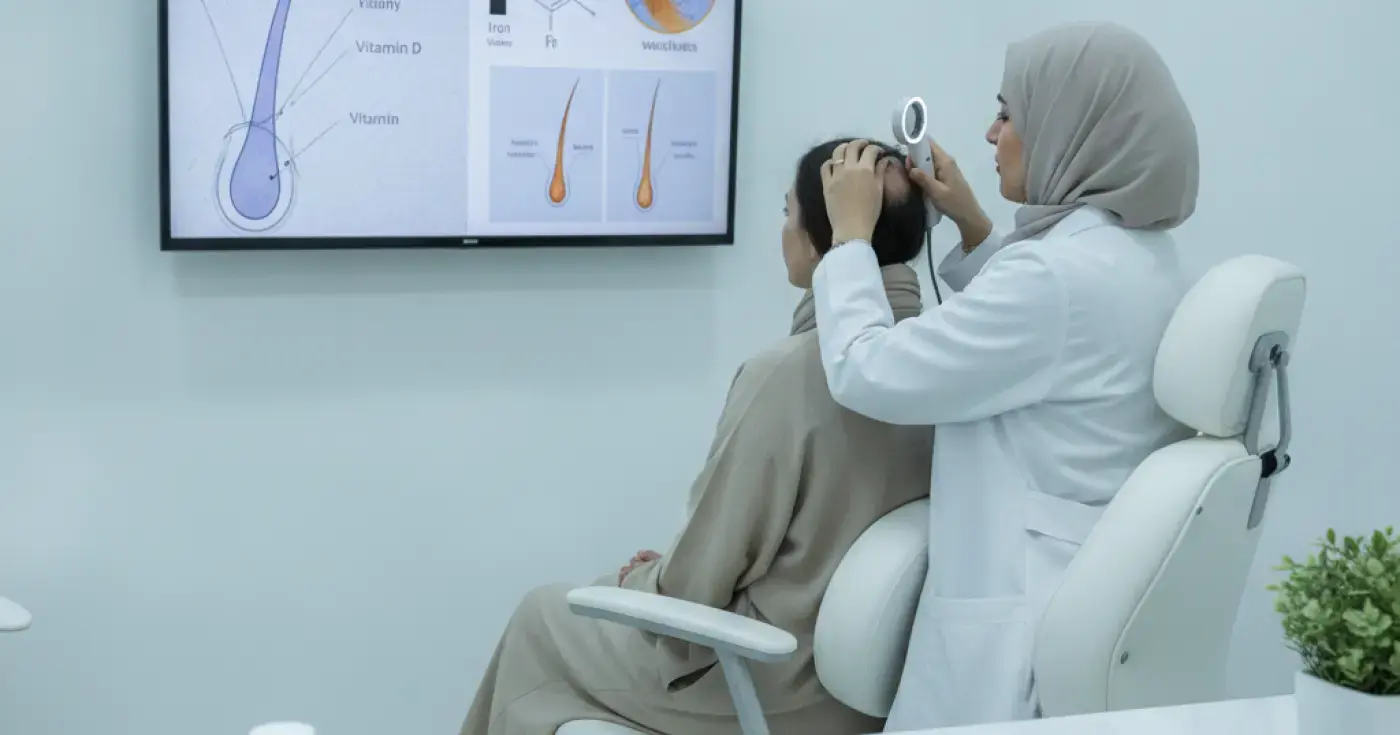
Vitamin D acts more like a hormone than a simple vitamin, regulating gene expression and modulating both innate and adaptive immune responses. Clinical studies demonstrate that Vitamin D Receptors (VDR) play an essential role in the hair follicle cycle and the initiation of anagen (growth phase). Patients with alopecia areata frequently exhibit significantly lower serum Vitamin D levels compared to healthy controls. Maintaining adequate Vitamin D levels helps regulate autoimmune activity and reduces T-cell infiltration around hair follicles. Therefore, a Vitamin D test is a fundamental step in the initial diagnostic workup.
Iron is critical for the production of hemoglobin, which carries oxygen to all bodily tissues, including the highly active cells of the hair follicle. Iron deficiency, even in the absence of clinical anemia, reduces cellular proliferation and slows down the hair growth cycle. A ferritin level test measures the body's stored iron. Low ferritin levels are strongly associated with increased hair shedding and can delay the response to standard medical treatments for alopecia.
Zinc is an essential trace element that serves as a cofactor for over 300 enzymes involved in protein synthesis, cellular division, and immune function. It plays a key role in maintaining the structural integrity of hair follicles and accelerating tissue repair. Research suggests that correcting zinc deficiencies in alopecia patients can support immune regulation and enhance the efficacy of topical and systemic therapies.
The B-complex vitamins are vital for cellular metabolism and energy production. While biotin (Vitamin B7) is widely marketed for hair growth, true biotin deficiency is rare unless associated with specific genetic disorders or severe malnourishment. Nonetheless, maintaining balanced B-vitamin levels ensures optimal blood flow and nutrient delivery to the scalp.
Vitamin C enhances dietary iron absorption from the gut and acts as a potent antioxidant, protecting hair follicles from oxidative stress induced by local inflammation. Vitamin E supports lipid membrane integrity in the scalp and helps maintain a healthy skin barrier around the follicles.
A common misconception is that taking high-dose hair vitamins can completely cure alopecia areata. It is vital to understand that alopecia is primarily an autoimmune condition, not a simple nutritional deficiency. Dietary supplements do not directly halt the autoimmune response. Instead, they optimize the biological environment, allowing the hair follicles to regenerate and produce healthy hair once the immune attack is medically suppressed. Therefore, nutritional support must be integrated into a comprehensive treatment plan supervised by a dermatologist.
| Essential Nutrient | Biological Role in Hair Growth | Impact of Deficiency on Follicles | Natural Food Sources |
|---|---|---|---|
| Vitamin D | Regulates autoimmunity, activates follicle receptors | Increased autoimmune susceptibility, impaired growth | Fatty fish, egg yolks, fortified foods, safe sun exposure |
| Iron (Ferritin) | Delivers oxygen and nutrients to active cells | Slower cell division, diffuse shedding, delayed recovery | Red meat, liver, spinach, legumes |
| Zinc | Synthesizes proteins, regulates immune cells | Weakened hair shaft, dry scalp, delayed tissue healing | Seafood, lean meats, nuts, seeds |
| Vitamin C | Stimulates collagen production, boosts iron absorption | Brittle hair, weakened capillary support to the scalp | Citrus fruits, bell peppers, strawberries, kiwi |
Anyone experiencing sudden, patchy, or excessive hair loss should promptly seek a dermatologist consultation. The physician will perform a clinical evaluation, rule out other causes of hair loss, and order targeted laboratory tests, which typically include:
Dermatology clinics and medical centers across Saudi Arabia offer advanced diagnostic tools and therapies for hair and scalp disorders. A proper treatment plan begins with a trichoscopy examination to assess disease activity. Standard medical treatments include:
In addition to prescribed medical treatments, daily healthy habits can support recovery and enhance hair and scalp care:
In conclusion, while vitamin and mineral deficiencies are not the direct cause of autoimmune alopecia areata, they play a significant role in modulating the immune system and supporting the hair follicle's regenerative capacity. Early diagnosis, precise laboratory testing, and a comprehensive treatment plan that combines targeted medical therapies with nutritional optimization under the guidance of a dermatologist offer the safest and most effective path to restoring hair health and confidence.
Clear, direct answers
Advertisement
Continue exploring

A comprehensive guide on the psychological effects of alopecia, coping mechanisms for anxiety, and practical ways to rebuild self-confidence.
Read article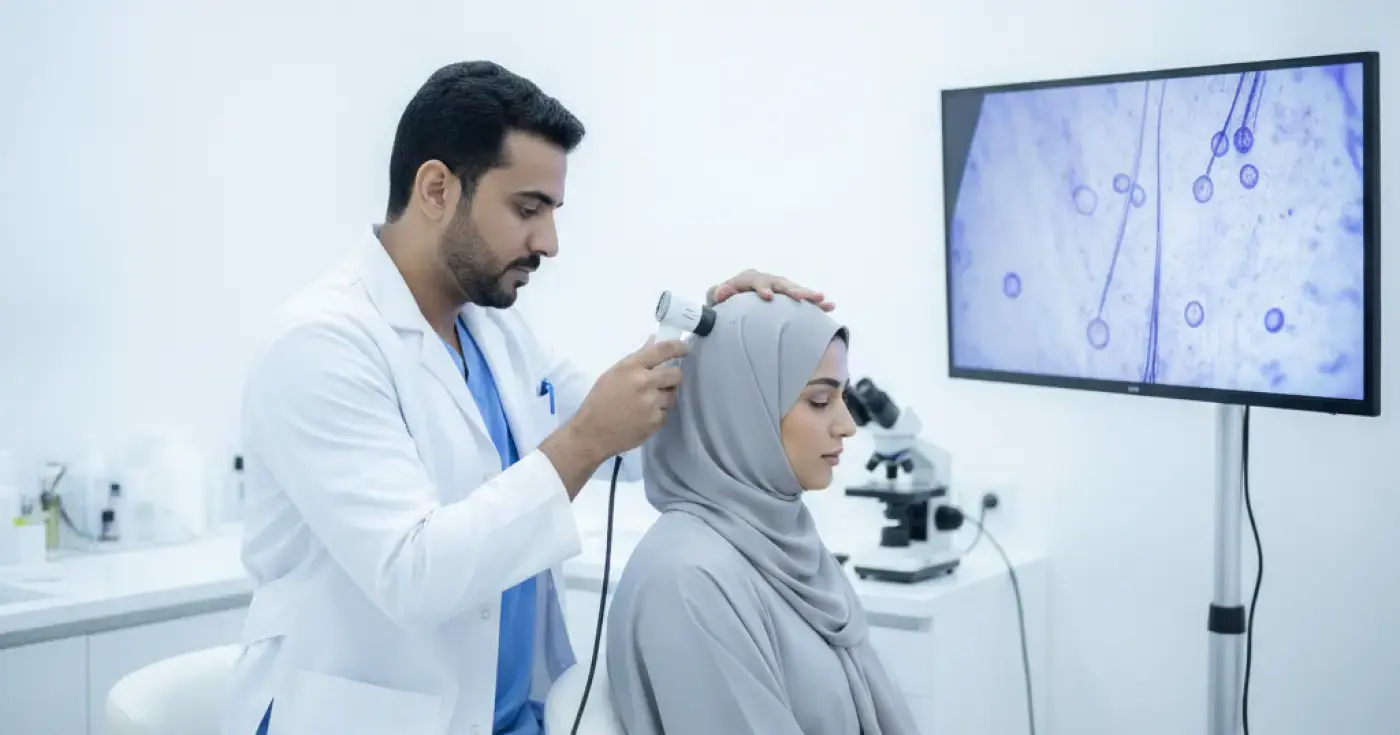
Learn about the importance of early alopecia diagnosis and the key medical tests and blood panels used to identify hair loss types.
Read article
Learn why alopecia areata recurs after treatment and discover clinical strategies, lifestyle tips, and advanced therapies to prevent relapse.
Read articleExplore the topic