
Lahalak Medical PlatformDifferentiate Care
Discover the primary causes of scalp irritation, from seborrheic dermatitis to contact allergy, and learn effective medical and home remedies.
Advertisement
Scalp irritation is a highly prevalent dermatological concern that significantly impacts an individual's daily comfort and psychological well-being. Far from being a simple cosmetic nuisance, scalp discomfort often manifests as persistent itching, redness, scaling, burning, or tenderness. In severe or untreated cases, chronic inflammation can compromise hair follicle health, leading to temporary hair shedding. The etiologies of scalp irritation are multifactorial, spanning genetic predispositions, underlying medical conditions, environmental stressors, and suboptimal hair care practices. Achieving long-term relief requires a precise clinical understanding of the root cause, making a dermatology consultation essential for an accurate diagnosis and a targeted therapeutic regimen.
The clinical presentation of scalp irritation varies depending on the underlying pathology. Key symptoms to monitor include:
Seborrheic dermatitis is a chronic inflammatory skin condition characterized by greasy, yellowish scales on erythematous patches. It is closely linked to an inflammatory response to Malassezia yeast, a normal microflora component that thrives in sebum-rich environments. Fluctuations in sebum production or immune response can trigger flare-ups.
Scalp psoriasis is an autoimmune condition that accelerates skin cell turnover, resulting in the rapid accumulation of cells on the scalp surface. This manifests as well-demarcated, thick, silvery-white plaques that cause intense itching and can extend beyond the hairline onto the forehead, neck, or behind the ears.
Contact dermatitis occurs as an allergic or irritant reaction to specific ingredients in hair cosmetics. Common culprits include paraphenylenediamine (PPD) in hair dyes, harsh surfactants like sodium lauryl sulfate (SLS), and synthetic fragrances or preservatives. Symptoms typically present shortly after product exposure.
Tinea capitis is a superficial dermatophyte infection of the scalp skin and hair shafts. It is highly contagious and presents as localized, scaly patches of alopecia (hair loss) accompanied by severe itching, tenderness, and sometimes black dots where the hair shafts have broken off.
Environmental conditions play a pivotal role in scalp health. In Saudi Arabia, the combination of extreme summer heat, high humidity in coastal regions, and dry desert air in inland areas can disrupt the scalp's natural hydrolipid barrier. Furthermore, wearing traditional head coverings, such as the Shemagh or Hijab, for extended periods without adequate ventilation can trap sweat and sebum, creating an ideal breeding ground for opportunistic fungi. Additionally, washing hair with hard water containing high mineral concentrations can leave irritating residues on the scalp, emphasizing the need for a tailored hair care guide designed for arid and hot climates.
| Condition | Primary Symptoms | Scale Characteristics | Environmental Triggers | Initial Recommended Action |
|---|---|---|---|---|
| Seborrheic Dermatitis | Itching, redness, oiliness | Yellowish, greasy, moist | High humidity, stress | Antifungal shampoo (Ketoconazole) |
| Scalp Psoriasis | Intense itching, thick plaques | Silvery-white, dry, thick | Cold, dry weather, stress | Topical corticosteroids, moisturizers |
| Contact Dermatitis | Burning, acute redness, itching | Minimal to no scaling | New hair dyes or fragranced products | Discontinue product, use gentle shampoo |
| Simple Dry Scalp | Mild itching, tight sensation | Small, white, dry flakes | Hot water showers, low humidity | Scalp hydration, reduce wash frequency |
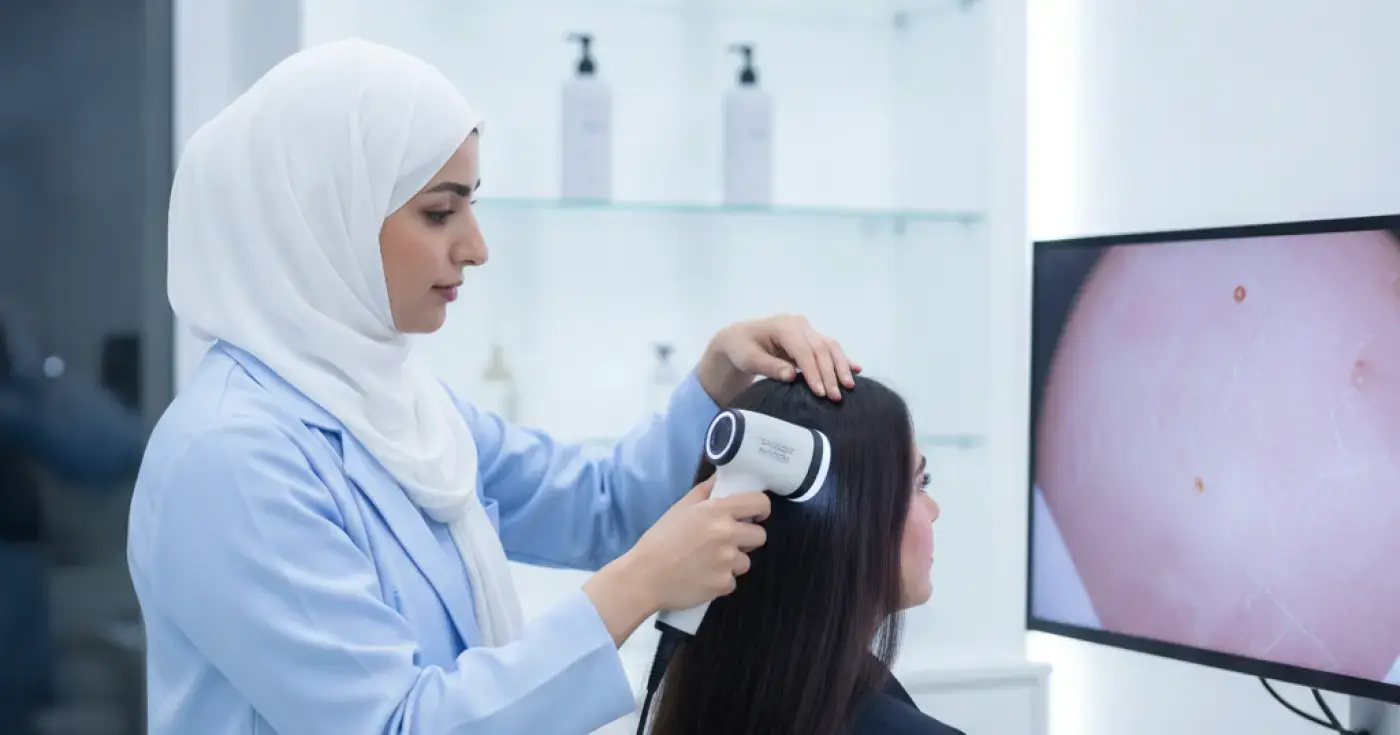
A professional dermatological evaluation begins with a thorough clinical history and a trichoscopic examination. Trichoscopy allows the dermatologist to visualize the scalp and hair shafts at high magnification, distinguishing between inflammatory patterns, scaling types, and vascular changes. In cases where a fungal or bacterial infection is suspected, a superficial skin scraping or swab may be collected for microscopic analysis or culture. Additionally, the physician may recommend a vitamin and mineral deficiency test to rule out systemic deficiencies, such as low levels of zinc, iron, or vitamin D, which are crucial for skin barrier maintenance and hair follicle regeneration.
Medical management is tailored to the specific diagnosis and may include the following therapeutic modalities:
Incorporate the following evidence-based practices into your daily routine to support scalp healing and prevent future irritation:
While mild scalp irritation often resolves with proper hygiene and over-the-counter medicated shampoos, certain red-flag symptoms warrant immediate medical attention. These include: inflammation spreading to the face or neck, the presence of purulent (pus-filled) discharge, severe pain or swelling, sudden and localized hair loss, or a complete lack of improvement after two weeks of consistent use of over-the-counter therapeutic shampoos.
Clear, direct answers
Advertisement
Continue exploring
Discover the medical causes of dandruff, how to differentiate it from dry scalp, and the most effective clinical treatments and medicated shampoos.
Read article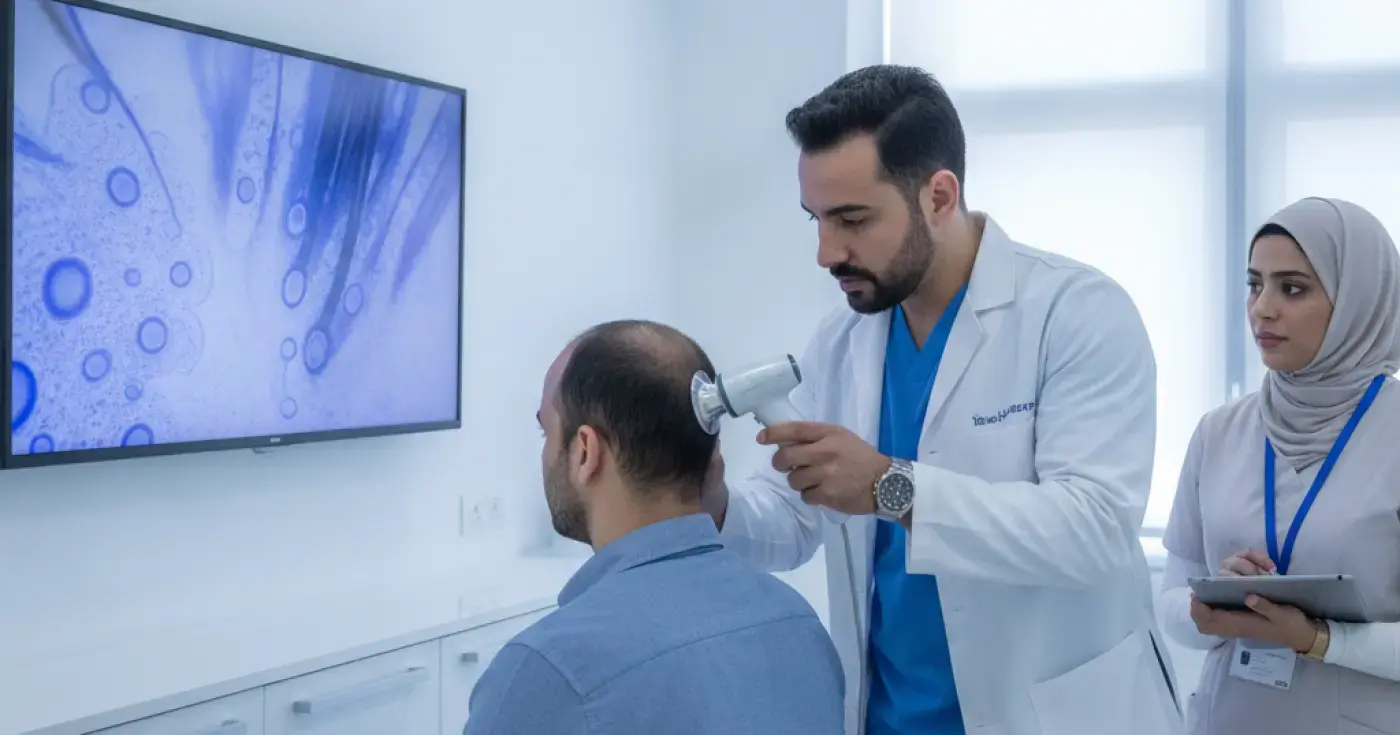
Explore the latest medical breakthroughs for alopecia and hair loss in Saudi Arabia, including approved JAK inhibitors, PRP therapy, and oral minoxidil.
Read article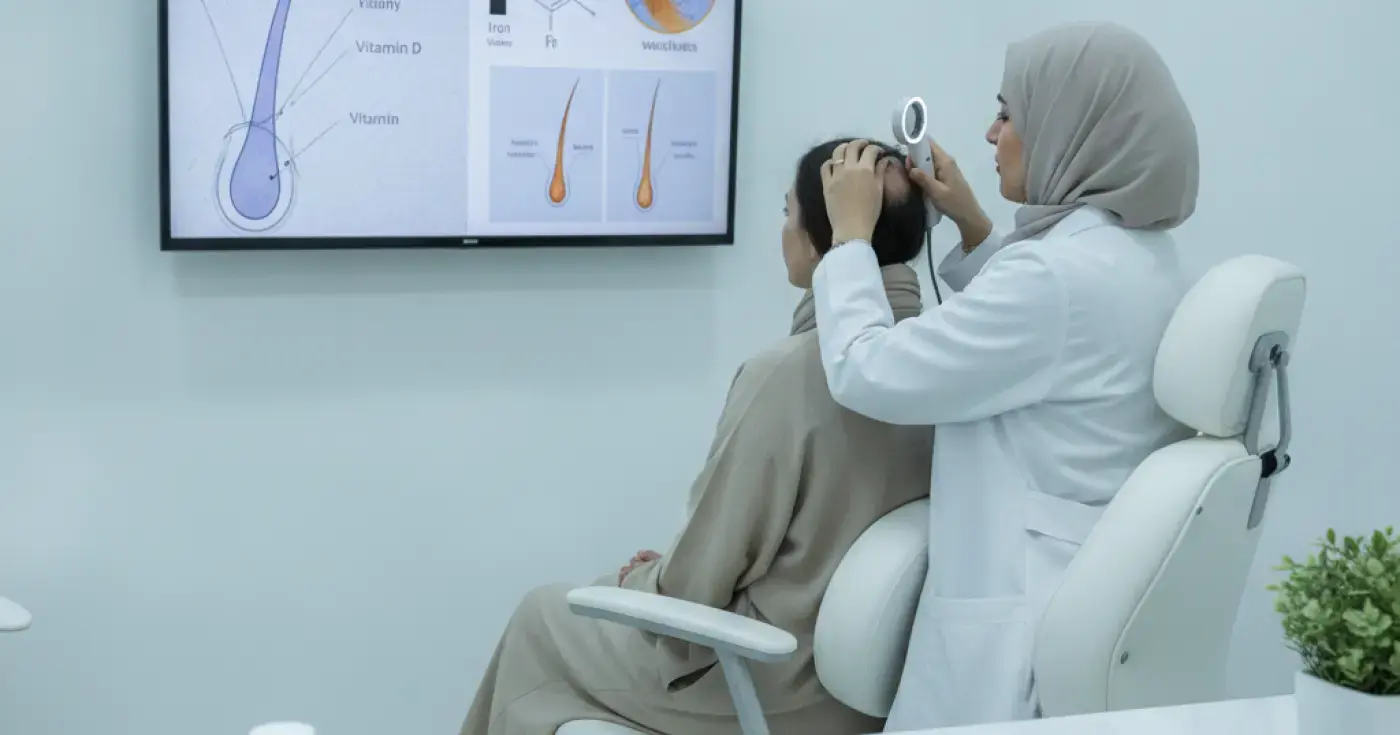
Explore the connection between vitamin deficiencies and alopecia areata. Learn about essential tests, medical treatments, and nutritional support.
Read articleExplore the topic