
Lahalak Medical PlatformDifferentiate Care
A comprehensive medical guide on scalp inflammation, its causes like seborrheic dermatitis, symptoms, clinical treatments, and prevention tips.
Advertisement
Scalp inflammation is a common dermatological concern that can significantly impact hair health and overall quality of life. Far from being a mere cosmetic nuisance, persistent inflammation can damage hair follicles and lead to temporary or permanent hair loss if left untreated. Understanding the underlying triggers—ranging from fungal infections to autoimmune responses—is crucial for effective management.
The clinical presentation of scalp inflammation varies depending on the primary cause, but patients typically experience one or more of the following symptoms:
Identifying the exact etiology is the first step toward successful treatment. A professional dermatologist consultation is highly recommended to differentiate between these common conditions:
A chronic inflammatory skin condition characterized by greasy, yellowish scales on red patches. It is closely linked to the overgrowth of Malassezia yeast, a naturally occurring organism on the skin, combined with an inflammatory response to excess sebum production.
An autoimmune condition where skin cells grow too rapidly, leading to the buildup of thick, silvery-white plaques. It is often highly itchy and can extend beyond the hairline to the forehead or neck.
Inflammation of the hair follicles, usually caused by a bacterial infection (such as Staphylococcus aureus) or fungal pathogens. It presents as small, itchy, or painful pustules around hair shafts.
A highly contagious fungal infection of the scalp and hair shafts, most commonly seen in children. It causes patches of itchy, scaly hair loss and requires prompt systemic antifungal treatment.
An allergic or irritant reaction triggered by exposure to specific ingredients in hair dyes, styling products, or harsh shampoos.
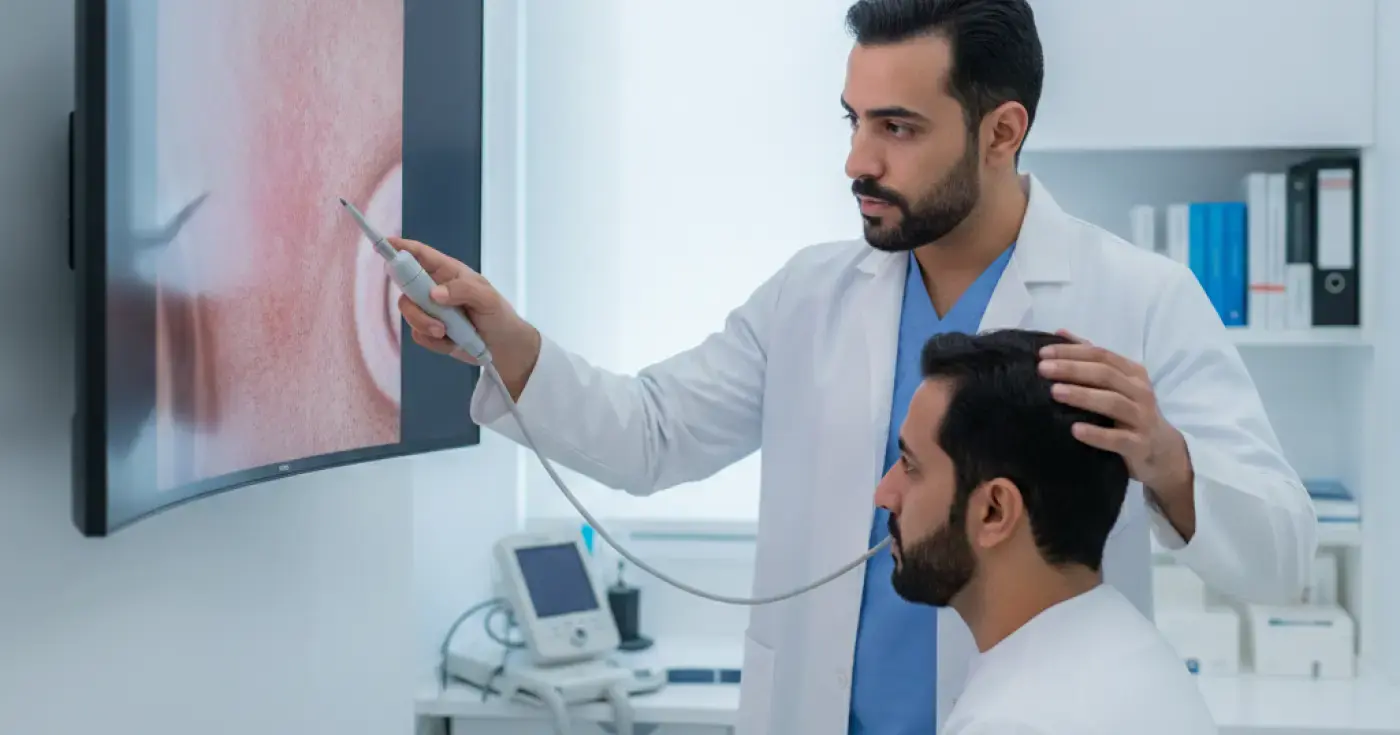
A dermatologist typically diagnoses scalp inflammation through a physical examination and trichoscopy (microscopic evaluation of the hair and scalp). In complex or treatment-resistant cases, a scalp biopsy or skin swab culture may be performed to identify the exact pathogen or rule out underlying systemic autoimmune disorders.
Treatment plans are tailored to the specific diagnosis and may include:
| Condition | Key Symptom | Primary Cause | Standard Treatment Approach |
|---|---|---|---|
| Seborrheic Dermatitis | Greasy yellow scales, mild redness | Malassezia yeast & excess sebum | Antifungal shampoos, mild topical steroids |
| Scalp Psoriasis | Thick, silvery-white plaques | Autoimmune dysfunction | Coal tar, topical steroids, biologics |
| Folliculitis | Painful, pus-filled bumps | Bacterial or fungal infection | Topical or oral antibiotics, antiseptics |
| Contact Dermatitis | Sudden redness and itching | Chemical irritants or allergens | Identifying triggers, topical soothing agents |
Adopting a gentle scalp care routine can prevent flare-ups and support the healing process:
While minor irritation may resolve with gentle care, you should seek medical attention if:
Clear, direct answers
Advertisement
Continue exploring

Discover the best medical and home treatments for dandruff. Learn about causes, prevention, and how to choose the right anti-dandruff shampoo.
Read article
A comprehensive medical guide on the causes of persistent scalp itching, clinical diagnosis, and effective treatment options.
Read article
Learn the differences between dandruff and dry scalp. Discover causes, symptoms, and effective medical and home treatments for healthy hair.
Read article