
Lahalak Medical PlatformDifferentiate Care
Discover the link between psoriasis and psychological stress. Learn about biological triggers, coping mechanisms, and integrated medical treatments.

Advertisement
Psoriasis is a chronic autoimmune skin condition that affects millions of people worldwide, characterized by the rapid buildup of skin cells leading to thick, red plaques covered with silvery scales. While primarily classified as a dermatological disease, modern medical research highlights a profound and complex bidirectional relationship between psoriasis and psychological stress. Understanding this connection is a fundamental step in developing an integrated treatment plan that addresses both physical symptoms and emotional well-being.
Many patients with psoriasis find themselves trapped in a vicious cycle where psychological stress triggers skin flare-ups, and the flare-ups, in turn, cause more stress. When the body experiences stress, it releases stress hormones such as cortisol and adrenaline, which directly impact the immune system. This response stimulates immune cells to release pro-inflammatory chemicals called cytokines, such as TNF-alpha and interleukins. These cytokines accelerate skin cell production, leading to new or worsening psoriasis plaques.
This biological pathway involves complex interactions between the central nervous system, the immune system, and the skin—a concept known in modern medicine as the "brain-skin axis." Chronic stress weakens the skin's natural barrier and increases its permeability, making it more susceptible to inflammation and external irritants. Therefore, stress is not just an emotional state; it is a physical, chemical trigger for skin inflammation.
Conversely, living with psoriasis carries a heavy psychological burden. The appearance of visible skin lesions on areas like the face, hands, or scalp can lead to embarrassment, low self-esteem, and fear of social stigma or rejection. This ongoing emotional distress increases the risk of anxiety and depression among patients, feeding back into the cycle of stress and inflammation. Thus, psoriasis must be managed as a condition affecting both mind and body.
Different types of psoriasis respond to psychological stress in various ways. The table below outlines these differences:
| Psoriasis Type | Sensitivity to Stress | Common Symptoms During Flare-ups |
|---|---|---|
| Plaque Psoriasis | Very High | Thick, red plaques covered with silvery scales on elbows, knees, and lower back. |
| Guttate Psoriasis | High (often post-acute stress or infection) | Small, drop-like red spots appearing suddenly on the trunk and limbs. |
| Inverse Psoriasis | Moderate to High | Smooth, red, non-scaly patches in skin folds (axillae, under breasts, groin). |
| Pustular Psoriasis | Very High (can be triggered by sudden acute stress) | Non-infectious white pustules surrounded by painful, red, inflamed skin. |
During a clinical visit, a physician's role extends beyond examining the skin to assessing the patient's psychological state and daily stress levels. The doctor may recommend a comprehensive blood test to rule out other inflammatory markers or co-existing conditions. Tools such as the Psoriasis Severity Index (PASI) and the Dermatology Life Quality Index (DLQI) are often used to measure how much the condition impacts the patient's daily life and mental health, allowing for a highly personalized treatment plan.
Effective management of psoriasis requires a dual approach targeting both the skin and the mind. Treatment options include:
CBT is a highly effective psychological tool that helps patients develop coping mechanisms for stress and anxiety related to their skin condition. It assists in reframing negative thoughts about body image and building practical strategies to reduce the impact of daily stressors on the skin.
Patients can adopt several daily habits to lower stress levels and improve skin health, as outlined in our comprehensive psoriasis coping guide:
Patients should not hesitate to seek professional medical help. It is highly recommended to book a dermatologist consultation immediately if you notice a rapid spread of skin lesions, increased pain or itching, or if stress and anxiety begin to interfere with your daily activities. Collaboration between your dermatologist and a mental health professional ensures the best possible therapeutic outcomes.
The link between psoriasis and psychological stress is real and scientifically proven. Recognizing this connection is the first step toward effective management. By combining advanced medical treatments with stress reduction techniques and psychological support, individuals with psoriasis can achieve a healthy balance, reduce flare-ups, and enjoy a better quality of life.
Clear, direct answers
Advertisement
Continue exploring

A comprehensive medical guide on psoriasis in children, covering symptoms, triggers, safe treatment options, and daily care tips.
Read article
Discover the primary triggers of psoriasis flare-ups and learn practical, medical-backed strategies to prevent and manage sudden outbreaks.
Read article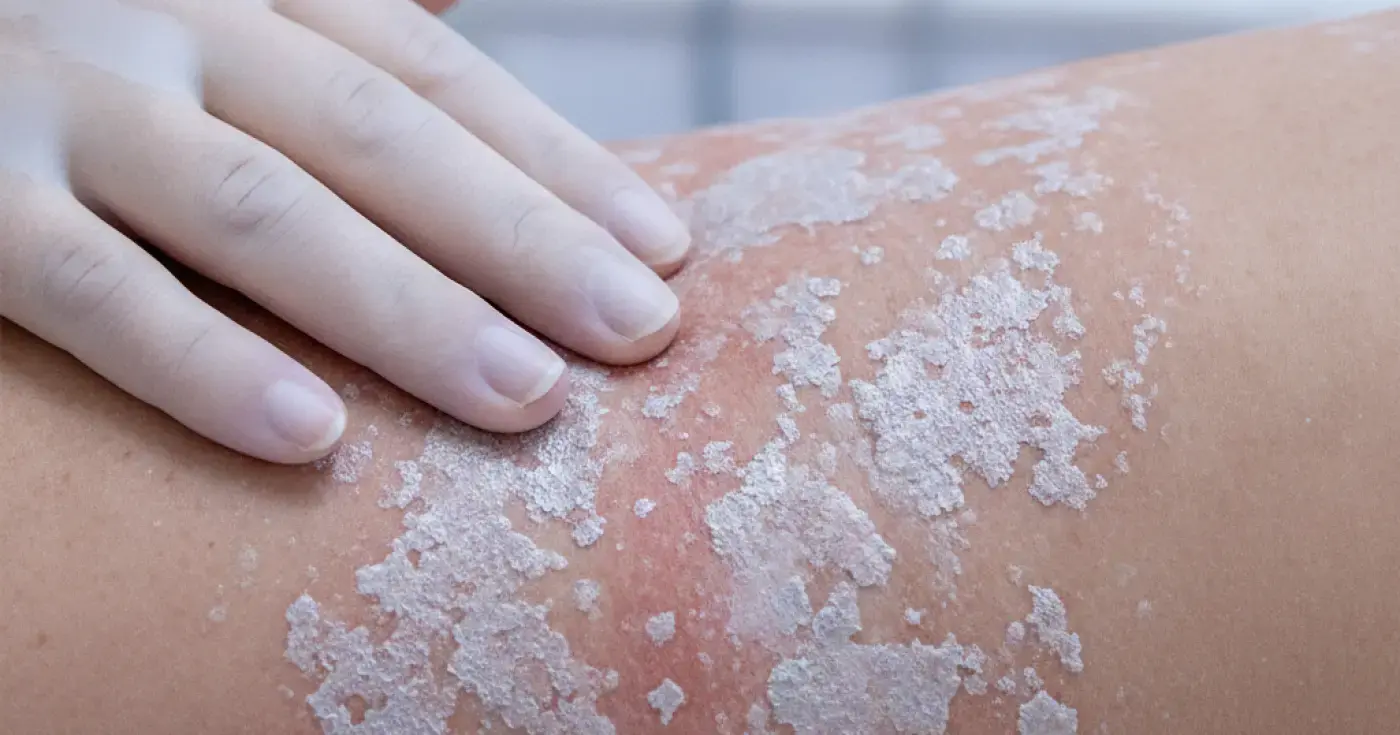
Is psoriasis contagious? Learn the truth about this autoimmune skin condition, its causes, triggers, types, and effective management strategies.
Read article