
Lahalak Medical PlatformDifferentiate Care
A comprehensive medical guide on psoriasis in children, covering symptoms, triggers, safe treatment options, and daily care tips.
Advertisement
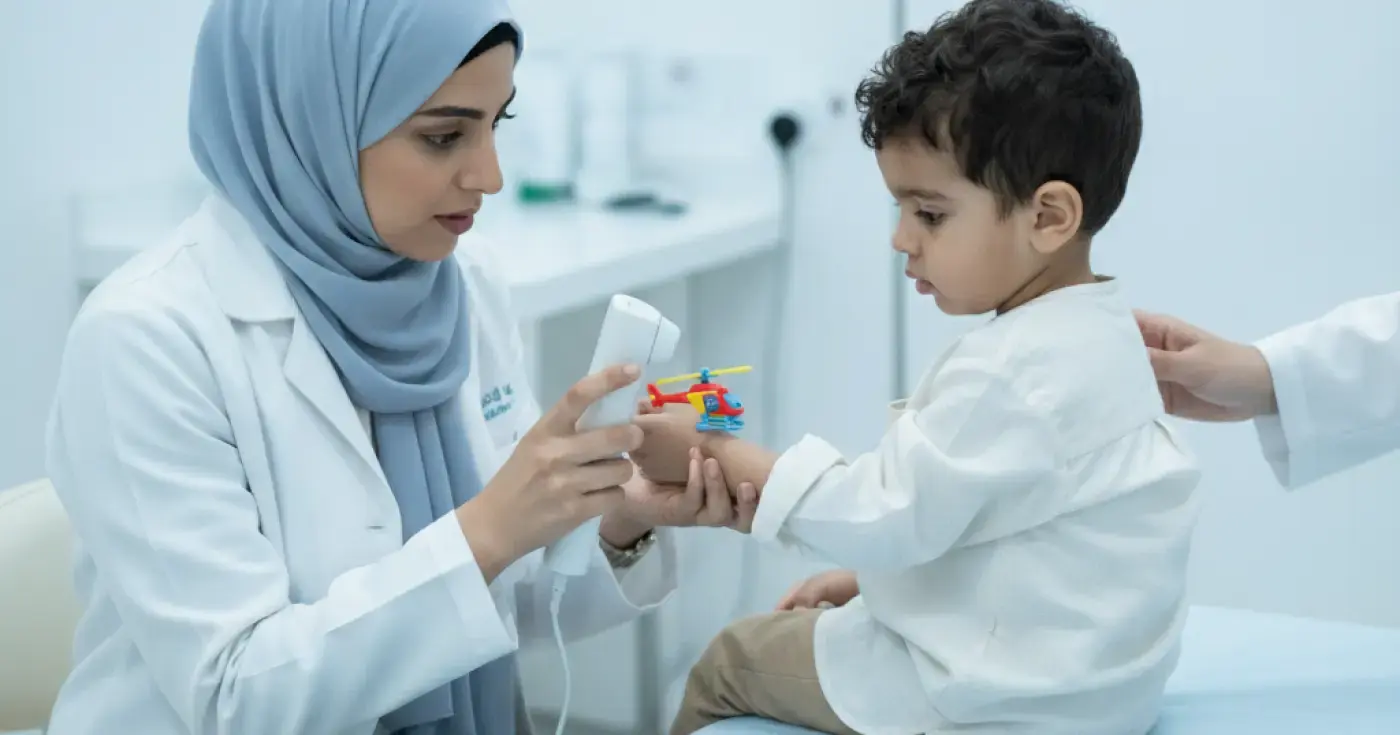
Psoriasis is a chronic, autoimmune skin condition that accelerates the growth cycle of skin cells. This rapid turnover leads to the accumulation of cells on the skin's surface, forming thick, silvery scales and itchy, dry red patches. Although commonly associated with adults, psoriasis can manifest at any age, including in infants and children. Managing psoriasis in children requires specialized and cautious medical care due to the sensitivity of their skin and the potential impact of the disease on their physical and psychological development.
Clinical observations indicate that pediatric psoriasis presents unique challenges, often requiring precise differentiation from other common childhood skin conditions such as seborrheic dermatitis or eczema. This comprehensive guide aims to provide parents with accurate medical knowledge regarding the symptoms, triggers, and the safest, most effective treatment options available today.
Psoriasis can present differently in children compared to adults, and is classified into several primary types:
This is the most common form in both children and adults. It appears as raised, red patches covered with a silvery-white buildup of dead skin cells (plaques). These plaques typically appear on the knees, elbows, and scalp, and can be itchy and painful.
Characterized by small, red, individual spots that resemble water droplets, guttate psoriasis is highly prevalent in children and adolescents. It often triggers suddenly following a bacterial infection, most notably streptococcal pharyngitis (strep throat).
This type localized in skin folds, such as the armpits, under the breasts, and in the groin or diaper area. It appears as smooth, red patches that look raw and irritated, often lacking the typical silvery scales due to moisture in these areas.
Appearing as thick, scale-covered plaques on the scalp, this type can extend to the forehead or behind the ears. In severe cases, it may lead to temporary hair loss in children.
The symptoms of psoriasis vary depending on the type and severity of the condition. Key signs parents should monitor include:
If you notice any of these signs, it is crucial to seek a استشارة طبيب الجلدية (dermatologist consultation) to obtain an accurate diagnosis and avoid self-treating with products that might irritate sensitive young skin.
While the exact cause of psoriasis remains fully unknown, medical research indicates it results from a complex interplay of genetic, environmental, and immunological factors:
Diagnosing psoriasis in children is primarily clinical. A specialist dermatologist will perform:
The primary goals of pediatric psoriasis treatment are to control symptoms, reduce inflammation, and prevent flare-ups while ensuring the child's safety and healthy growth. Treatments are tailored based on severity:
These are the first line of defense for mild-to-moderate cases and include:
For moderate-to-severe cases that do not respond well to topical treatments, narrowband UVB phototherapy is a highly effective option. Administered in a clinical setting, it uses controlled ultraviolet light to slow skin cell growth. It is safe for older children who can remain still during the brief sessions.
Reserved for severe, widespread, or treatment-resistant cases. These systemic medications or targeted biologic injections work by modulating specific parts of the immune system. They require close monitoring and regular blood tests to ensure safety.
| Treatment Type | Primary Use | Safety Profile in Children | Key Considerations & Monitoring |
|---|---|---|---|
| Medical Emollients | All cases (daily use) | Excellent; virtually no side effects | Apply immediately after bathing to lock in moisture. |
| Topical Corticosteroids | Mild to moderate plaques | Safe for short-term, intermittent use | Avoid strong formulations on the face and skin folds. |
| Phototherapy (Narrowband UVB) | Moderate to severe cases | Safe for cooperative children | Performed in-clinic; requires eye and healthy skin protection. |
| Biologics | Severe, systemic cases | Used with caution under expert guidance | Targets specific immune pathways; requires routine blood tests. |
Consistent home care is vital to managing symptoms and improving your child's daily comfort. Key recommendations include:
Psoriasis can take a significant emotional toll on children. They may feel self-conscious or embarrassed about their skin, which can lead to social withdrawal or anxiety at school. Parents can support their child by:
Promptly contact your child's dermatologist if you notice any of the following:
Clear, direct answers
Advertisement
Continue exploring
Discover the primary triggers of psoriasis flare-ups and learn practical, medical-backed strategies to prevent and manage sudden outbreaks.
Read article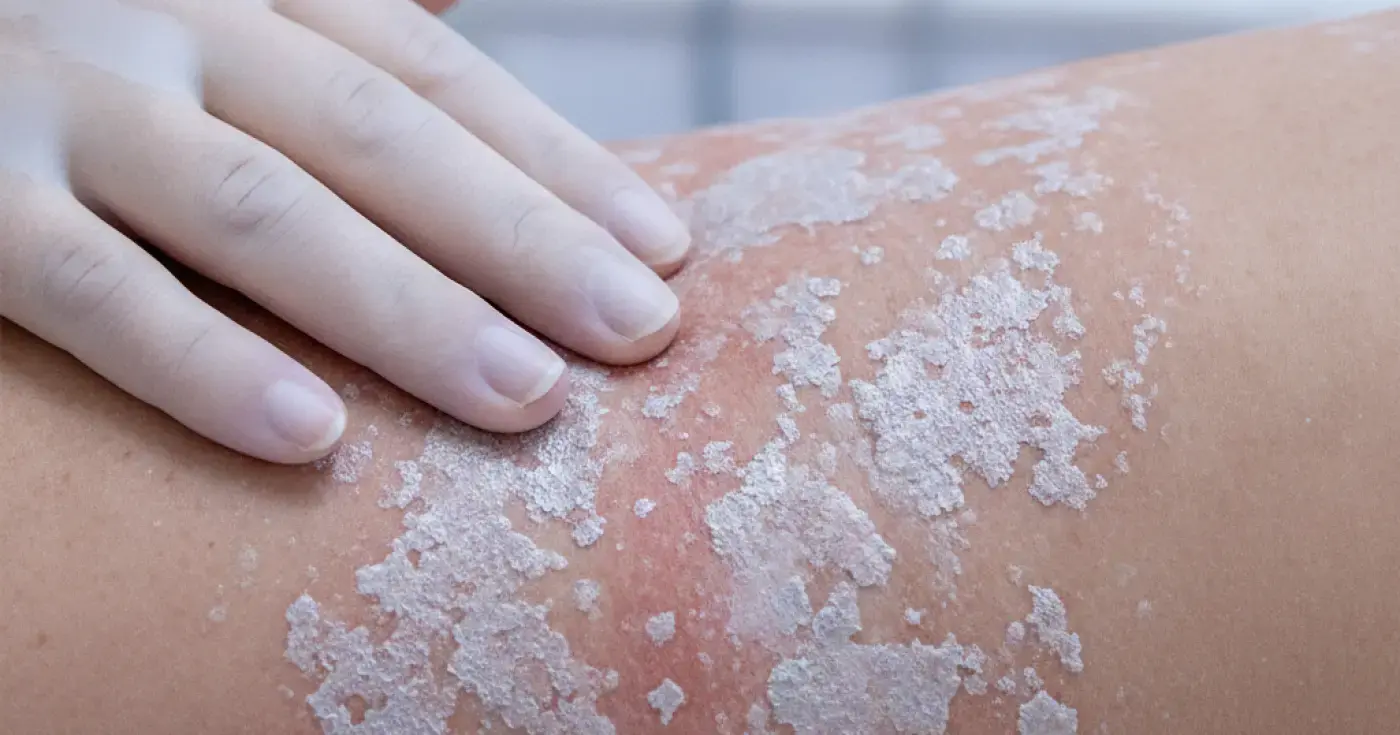
Is psoriasis contagious? Learn the truth about this autoimmune skin condition, its causes, triggers, types, and effective management strategies.
Read article
Learn about scalp psoriasis symptoms, medical treatments, daily hair care tips, and how to differentiate it from dandruff.
Read article