
Lahalak Medical PlatformDifferentiate Care
Learn about scalp psoriasis symptoms, medical treatments, daily hair care tips, and how to differentiate it from dandruff.

Advertisement
Scalp psoriasis is a common, chronic inflammatory skin condition characterized by accelerated skin cell turnover. This rapid growth causes skin cells to accumulate on the surface of the scalp, forming thick, silvery-white scales accompanied by redness and irritation. It can affect small patches or cover the entire scalp, sometimes extending to the forehead, behind the ears, and the back of the neck.
Symptoms can range from mild to severe and typically include:
Scalp psoriasis is often confused with severe dandruff (seborrheic dermatitis). The table below highlights the key differences to help distinguish between the two conditions:
| Feature | Scalp Psoriasis | Seborrheic Dermatitis (Dandruff) |
|---|---|---|
| Scale Appearance | Thick, dry, and silvery-white scales | Greasy, yellowish, or white oily flakes |
| Redness & Borders | Well-defined, raised red plaques | Ill-defined, mild pinkish redness |
| Extension | May extend to forehead, elbows, and knees | Usually confined to scalp, eyebrows, and nose sides |
| Hair Loss | Can occur temporarily due to severe scratching | Rarely occurs unless severe inflammation is present |
While the exact cause involves an immune system dysfunction that accelerates cell growth, several environmental and lifestyle factors can trigger or worsen flare-ups:
Obtaining an accurate diagnosis requires a dermatologist consultation. The specialist will perform a physical examination of your scalp and skin. In rare cases, a small skin biopsy may be recommended to rule out other dermatological conditions.
Treatments are tailored to the severity of the condition and how well the patient responds to therapy:
Applied directly to the scalp, these include medicated shampoos and solutions containing coal tar or salicylic acid to soften scales, as well as topical corticosteroids to reduce inflammation and itching under medical supervision.
This involves exposing the scalp to controlled doses of ultraviolet B (UVB) light using specialized medical equipment in a clinical setting to slow down rapid skin cell growth.
For moderate-to-severe cases that do not respond to topical options, doctors may prescribe oral medications or injections, such as modern biologics that target specific parts of the immune system to control inflammation.
Establishing a proper scalp care routine is essential for managing symptoms and preventing irritation:
Although scalp psoriasis is not life-threatening, chronic scratching can lead to secondary bacterial infections or temporary hair loss. You should consult your doctor immediately if you notice pus, increased pain, spreading redness, or if your symptoms do not improve with standard care.
Clear, direct answers
Advertisement
Continue exploring

Explore the different types of psoriasis, why symptoms vary individually, and the latest medical treatments and management strategies.
Read article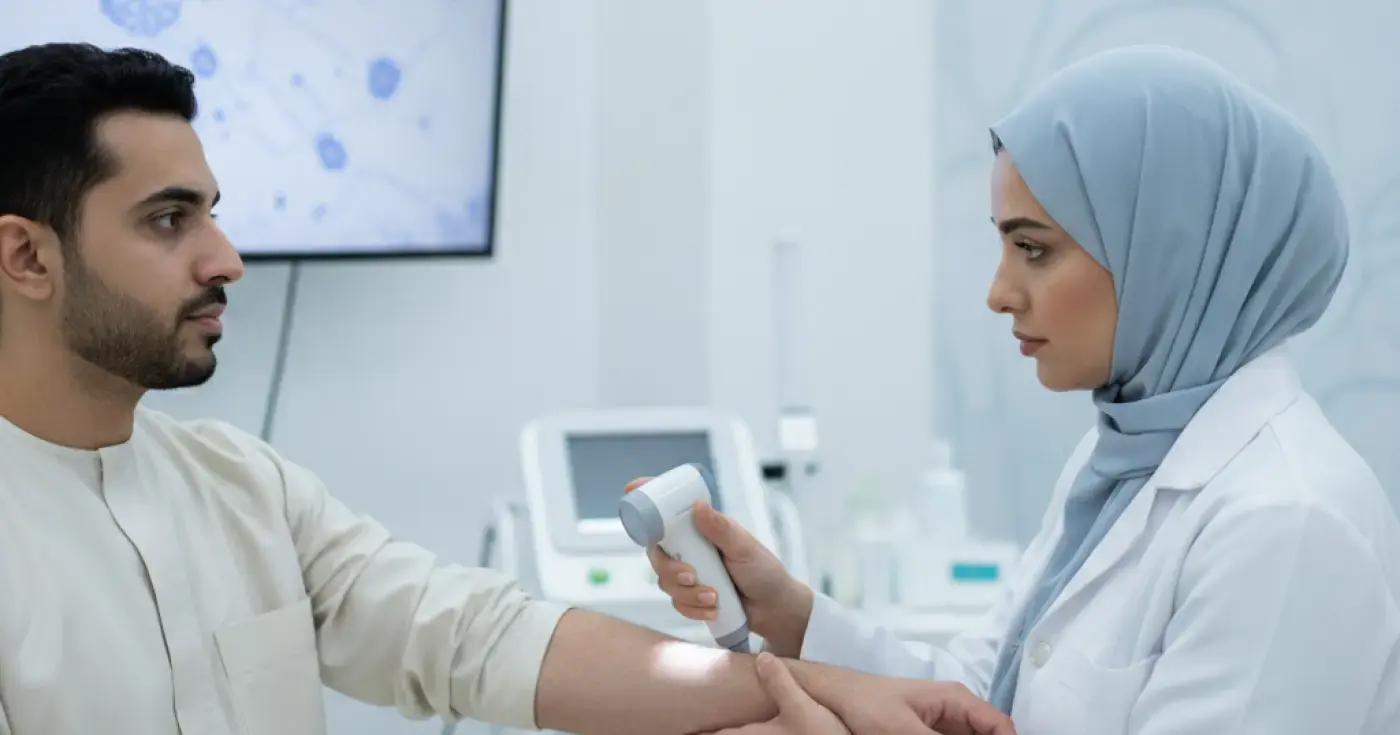
Learn about psoriasis causes, symptoms, and the latest medical, systemic, and biological treatments. Discover practical coping strategies.
Read article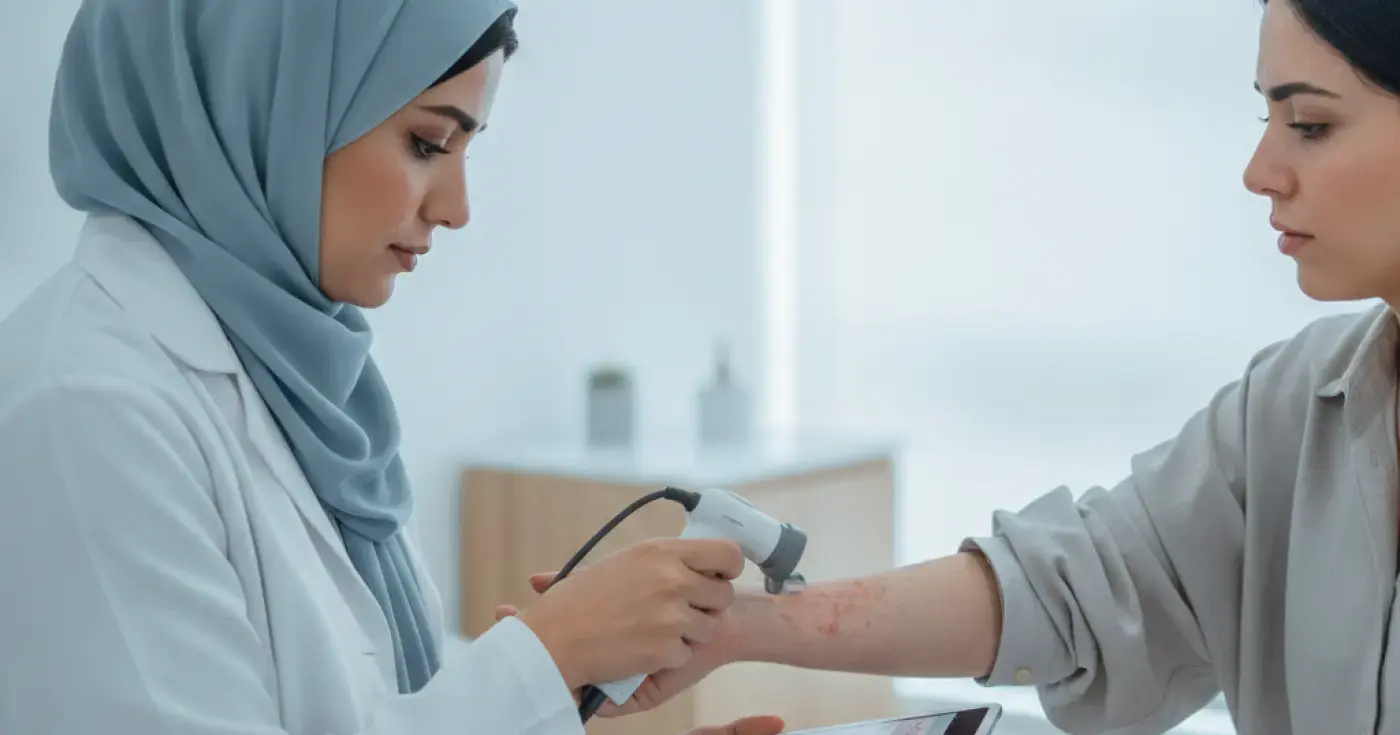
Discover when to consult a dermatologist for eczema. Learn about warning signs of skin infections, severe symptoms, and advanced treatment options.
Read article