
Lahalak Medical PlatformDifferentiate Care
Discover when to consult a dermatologist for eczema. Learn about warning signs of skin infections, severe symptoms, and advanced treatment options.
Advertisement
Eczema, clinically known as atopic dermatitis, is one of the most common and impactful skin conditions worldwide. In Saudi Arabia, managing eczema comes with unique challenges due to the regional climate. The extreme dryness in central regions like Riyadh, high humidity in coastal areas, frequent dust storms, and constant exposure to indoor air conditioning all contribute to stripping the skin of its natural moisture. While mild cases can often be managed at home with proper eczema skin care and consistent moisturizing, certain symptoms require professional medical intervention to prevent complications and secure a personalized treatment plan.
Eczema is a chronic, non-contagious inflammatory skin condition characterized by dry, red, and intensely itchy skin. It arises from a complex interaction of genetic factors, skin barrier dysfunction, and an overactive immune response to environmental triggers. Symptoms vary widely from person to person, ranging from mild dry patches to extensive, painful, and bleeding skin lesions.
The arid desert climate accelerates transepidermal water loss, leaving the skin barrier highly vulnerable to damage and irritation. Dust storms carry fine particulate matter that acts as a direct irritant. Additionally, transitioning between scorching outdoor temperatures and cold, dry air-conditioned indoor environments causes thermal stress to the skin, worsening dryness and triggering acute flare-ups.
For mild eczema, patients can often manage symptoms successfully at home without immediate medical visits. Effective home care includes applying fragrance-free, hypoallergenic medical moisturizers multiple times a day, taking lukewarm showers instead of hot baths, and using gentle, soap-free cleansers. Wearing loose cotton clothing and avoiding synthetic fabrics also helps minimize friction and irritation. If these measures keep the skin calm and itch-free, continuing this routine is generally sufficient.
Despite the importance of self-care, certain clinical signs indicate that the condition has escalated beyond home management and requires a formal dermatologist consultation. These warning signs include:
Because eczema compromises the skin barrier, it creates an ideal environment for pathogens. You should see a doctor immediately if you notice honey-colored crusts, pus or fluid oozing from the lesions, increased redness, warmth, swelling, pain, red streaks spreading from the rash, or an accompanying fever.
If you have been adhering to a strict moisturizing routine and avoiding known triggers for two to three weeks with no improvement, or if the symptoms continue to worsen, the underlying inflammation is likely too severe for OTC products and requires prescription-strength topical treatments.
A sudden, rapid spread of the rash covering large areas of the body is a serious concern. It can lead to erythroderma (exfoliative dermatitis), a potentially life-threatening state that impairs the skin's ability to regulate temperature and fluid balance, requiring urgent medical care.
When itching becomes so intense that it disrupts sleep, affects performance at school or work, or causes persistent anxiety and distress, medical intervention is necessary to restore well-being and daily functioning.
Eczema herpeticum is a severe viral infection that occurs when eczema-affected skin is infected with the herpes simplex virus. It presents as painful, fluid-filled blisters that spread rapidly and turn into small, open sores. This is a medical emergency requiring immediate emergency room or dermatological care for systemic antiviral treatment.
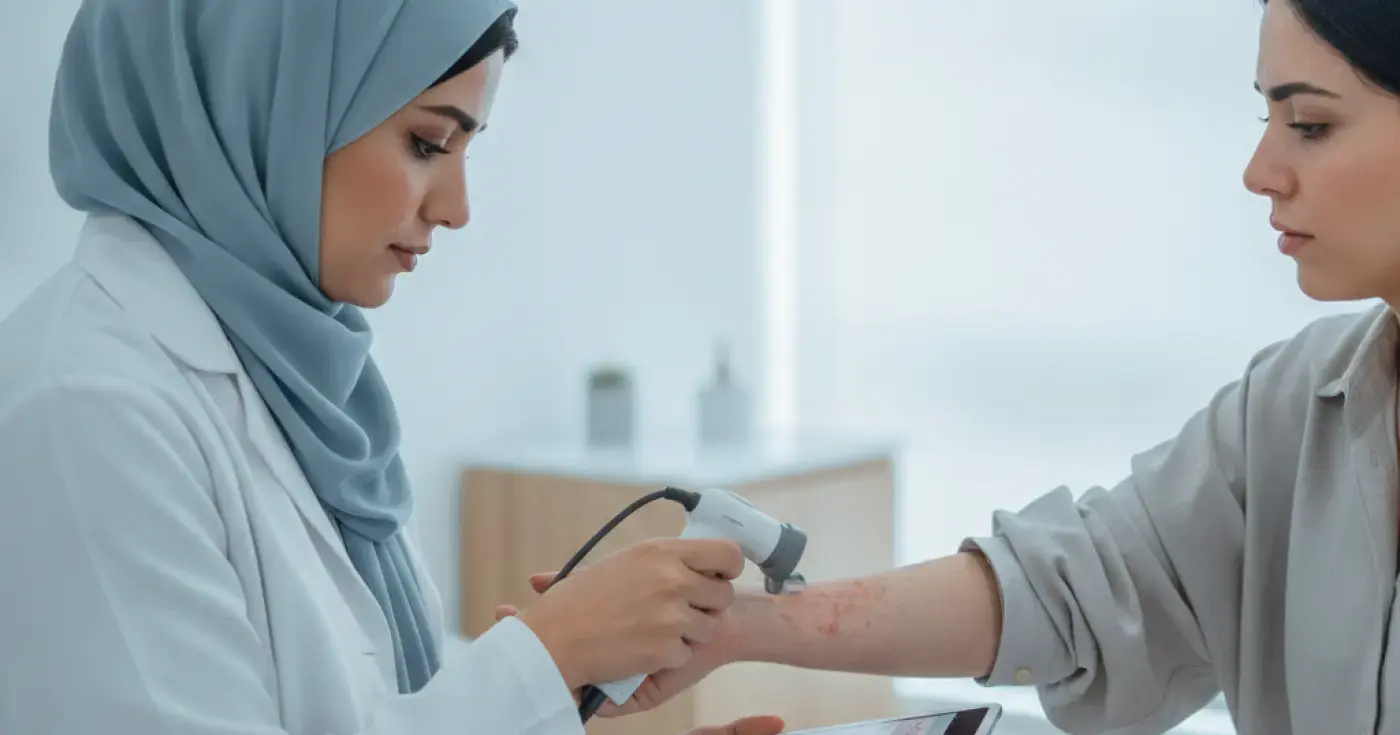
A dermatologist does more than just prescribe moisturizers; they perform a comprehensive evaluation to identify underlying causes and individual triggers. Their role includes:
The dermatologist may recommend allergy testing, such as a patch test, to determine if allergic contact dermatitis is complicating your eczema. In rare cases, a small skin biopsy may be performed to rule out other skin conditions that mimic eczema.
Medical treatments are tailored to the patient's age and disease severity, and may include:
| Severity Level | Common Symptoms | Recommended Management |
|---|---|---|
| Mild | Mild dryness, slight redness, intermittent itching that does not disrupt sleep. | Intensive daily moisturizing, trigger avoidance, gentle soap-free cleansers. |
| Moderate | Distinct red patches, persistent itching affecting sleep, minor skin cracking. | Dermatologist visit for short-term prescription topical creams combined with moisturizers. |
| Severe | Widespread redness, unbearable itching, bleeding wounds, crusting, chronic insomnia, signs of infection. | Immediate medical evaluation, systemic or biologic therapies, phototherapy, and regular follow-ups. |
Eczema is highly prevalent in infants and young children, typically appearing on the cheeks, forehead, and scalp, and later moving to the creases of the elbows and knees. Parents should consult a pediatrician or dermatologist upon the first appearance of symptoms to establish an accurate diagnosis and rule out other conditions like seborrheic dermatitis (cradle cap). Seek prompt medical attention if the child is inconsolable due to itching, refuses to feed, or shows signs of secondary bacterial infection from scratching.
Keep the child's fingernails trimmed short to prevent skin damage from scratching, and consider using soft cotton mittens at night. Apply pediatric-approved, fragrance-free moisturizers immediately after bathing to lock in moisture.
Several myths can delay proper treatment or worsen the condition:
To manage eczema successfully and reduce flare-ups in our local environment, consider these tips:
Eczema is more than just dry skin; it is a chronic medical condition that requires consistent care and understanding. Knowing when to transition from home care to professional medical advice is key to protecting your skin and preventing painful complications. Remember, a dermatologist is your best partner in managing eczema, and adhering to a professional treatment plan is the most reliable path to a comfortable, itch-free life.
Clear, direct answers
Advertisement
Continue exploring

Discover the link between eczema and allergies. Learn about triggers, the atopic march, diagnosis, and effective management strategies.
Read article
Discover expert-approved ways to moisturize eczema-prone skin. Learn how to choose the right moisturizers and prevent dryness, irritation, and itching.
Read article
Discover the most common eczema triggers, from dry weather to stress, and learn practical, dermatologist-approved tips to prevent painful skin flare-ups.
Read articleExplore the topic