
Lahalak Medical PlatformDifferentiate Care
Is psoriasis contagious? Learn the truth about this autoimmune skin condition, its causes, triggers, types, and effective management strategies.
Advertisement
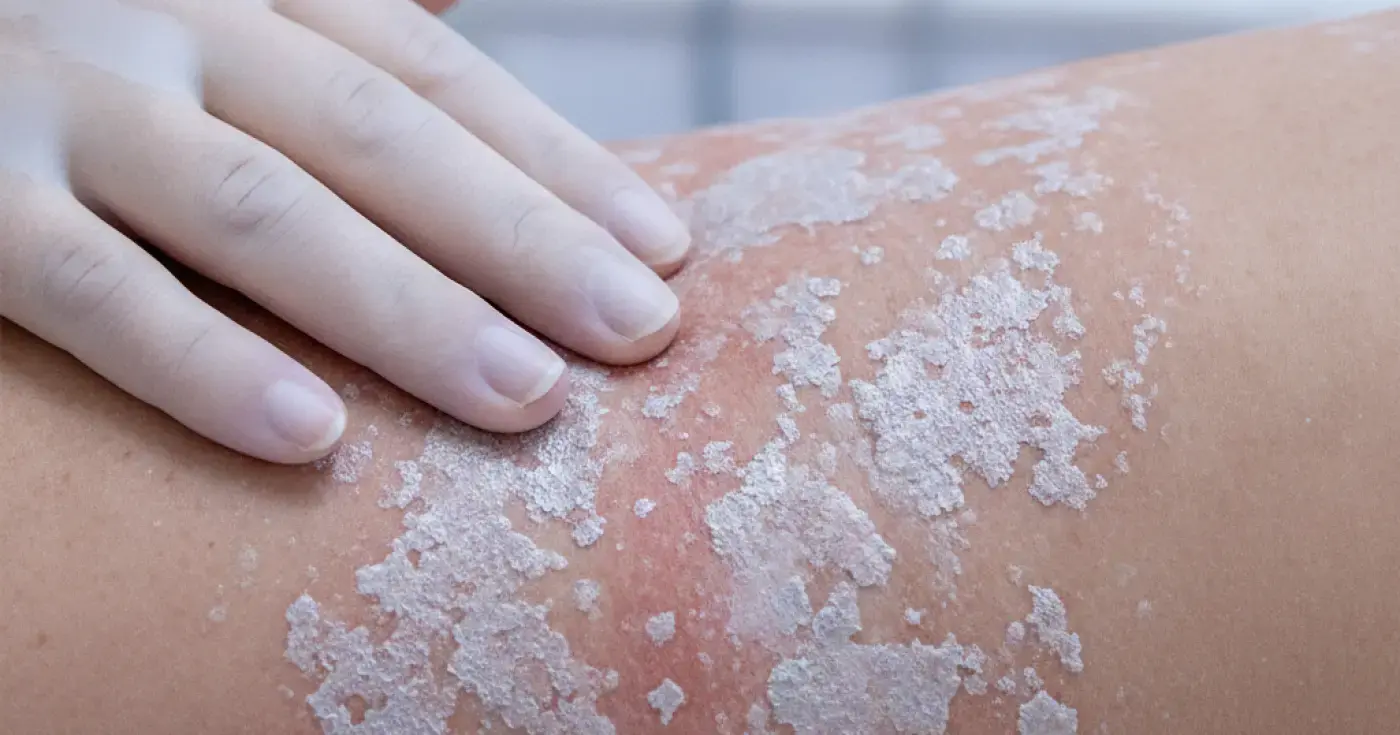
Psoriasis is one of the most common chronic dermatological conditions worldwide. It is an autoimmune-mediated inflammatory skin disorder that significantly accelerates the life cycle of skin cells. In normal skin, cells grow deep in the skin and slowly rise to the surface, a process that takes about a month. In people with psoriasis, this process is accelerated to just a few days, causing skin cells to rapidly accumulate on the surface, forming thick, red patches covered with silvery scales that are often itchy and painful.
Despite its prevalence, numerous misconceptions surround psoriasis, the most prominent being the fear that it is contagious. In this comprehensive guide, we will address the common question: Is psoriasis contagious? We will also explore its causes, clinical types, triggers, and modern management strategies.
The definitive medical answer is: No, psoriasis is absolutely not contagious. You cannot catch psoriasis from another person, nor can you pass it to anyone else. It is physically impossible to transmit the condition through any form of contact, including:
Psoriasis is not caused by bacteria, viruses, fungi, or any infectious pathogen. It is an internal, systemic inflammatory condition driven by genetics and the immune system. Socially isolating or avoiding contact with individuals who have psoriasis is medically unfounded and can cause significant psychological distress to the patient.
While the exact cause of psoriasis remains the subject of ongoing clinical research, medical experts agree that it results from a complex interaction between several key factors:
1. Immune System Dysfunction: Psoriasis is primarily an autoimmune condition. In a healthy body, white blood cells defend against infections. In psoriasis, specific immune cells called T-cells mistakenly attack healthy skin cells. This autoimmune response triggers an overproduction of new skin cells and localized inflammation.
2. Genetic Predisposition: Genetics play a significant role. Having a family history of psoriasis increases the likelihood of developing the condition. However, inheriting the genes does not guarantee that you will develop psoriasis; an environmental trigger is usually required to activate the disease.
3. Environmental Triggers: Many people who are genetically predisposed to psoriasis may remain symptom-free until an environmental event triggers their first flare-up. Common triggers include severe stress, skin injuries, and systemic infections.
Psoriasis can manifest in several distinct clinical forms. The table below outlines the most common types, their characteristic symptoms, and typical locations on the body:
| Psoriasis Type | Key Characteristic Symptoms | Common Locations on the Body |
|---|---|---|
| Plaque Psoriasis | Thick, red patches covered with dry, silvery scales; often itchy and painful. | Knees, elbows, lower back, and scalp. |
| Guttate Psoriasis | Small, drop-like red spots; often triggered by a streptococcal throat infection. | Trunk, arms, and legs. |
| Inverse Psoriasis | Smooth, red, shiny patches without scales; worsens with friction and sweat. | Armpits, under the breasts, and groin folds. |
| Pustular Psoriasis | Non-infectious, pus-filled white blisters surrounded by red, inflamed skin. | Palms of the hands, soles of the feet, or widespread. |
| Erythrodermic Psoriasis | Intense, fiery redness and widespread peeling of the skin (medical emergency). | Nearly the entire body surface. |
Psoriasis is characterized by cycles of remission (when symptoms improve or disappear) and flares (when symptoms worsen). Identifying and avoiding personal triggers is essential for effective long-term management. Common triggers include:
If you notice persistent changes in your skin, the first step is to schedule a dermatology consultation. A specialist will perform a comprehensive evaluation, which typically includes:
Physical Examination: The dermatologist will carefully examine your skin, scalp, and nails for classic signs of psoriasis, such as silvery scaling and nail pitting.
Medical History: The doctor will ask about your family history of skin conditions, joint pain, and lifestyle factors to identify potential triggers.
Skin Biopsy: In rare cases where the diagnosis is unclear or resembles other skin conditions like eczema, the doctor may perform a skin biopsy. A tiny sample of skin is removed and examined under a microscope to confirm the diagnosis.
Although there is currently no permanent cure for psoriasis, advanced medical treatments allow patients to achieve clear skin and long-term remission. Treatment plans are tailored to the severity of the disease:
For mild to moderate psoriasis, topical therapies applied directly to the skin are highly effective. These include corticosteroid creams to reduce inflammation, vitamin D analogues to slow skin cell growth, and intensive medical moisturizers designed for a supportive skincare routine to soothe dry skin.
Phototherapy involves exposing the skin to controlled, medically supervised doses of ultraviolet (UV) light. This treatment slows down the rapid growth of skin cells and reduces localized immune activity.
For moderate to severe cases that do not respond to topical treatments, systemic medications (oral or injectable) are used to modulate the immune response. Biologics represent a major medical breakthrough; they are engineered proteins that target specific components of the immune system responsible for inflammation, offering high clearance rates with minimal impact on the rest of the body.
Adopting healthy lifestyle habits can significantly complement medical treatments and reduce the frequency of flares:
Regular follow-ups with your dermatologist are crucial. You should seek prompt medical attention if:
Clear, direct answers
Advertisement
Continue exploring
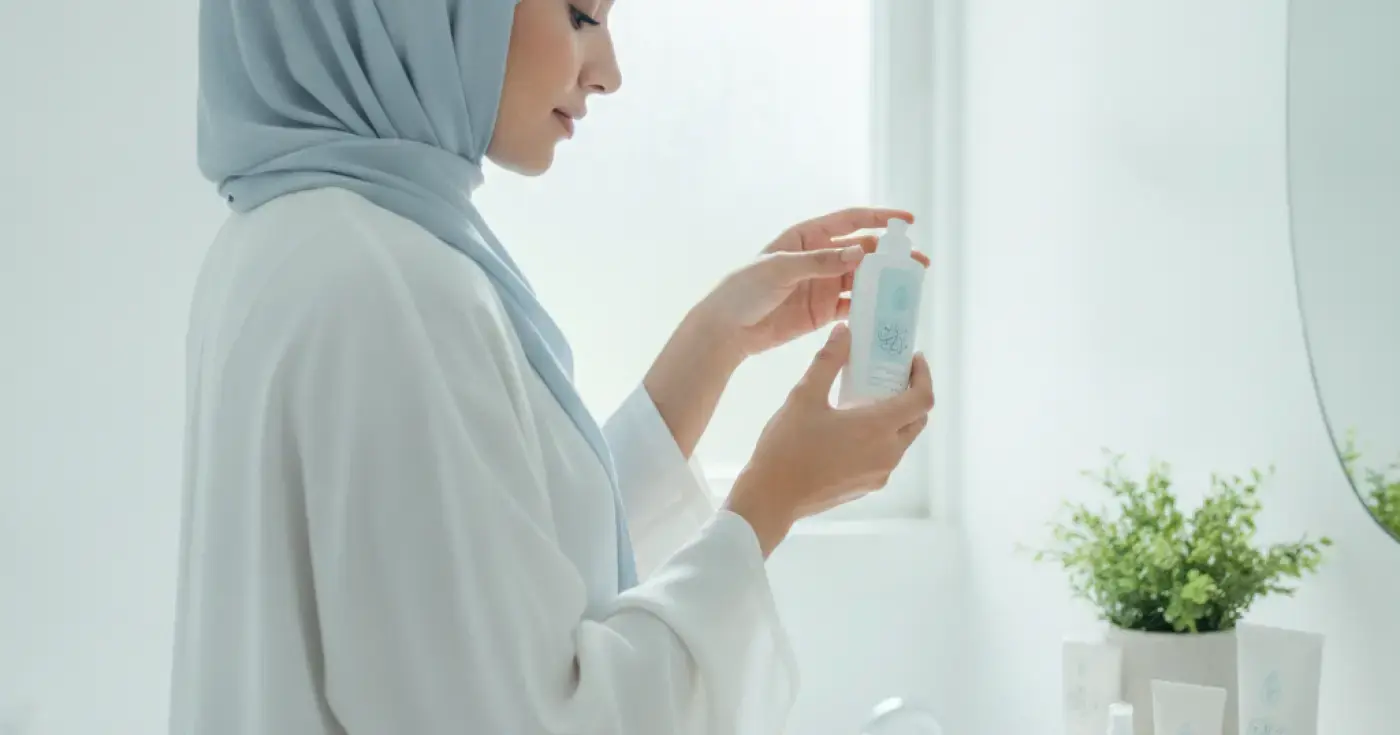
Learn about scalp psoriasis symptoms, medical treatments, daily hair care tips, and how to differentiate it from dandruff.
Read article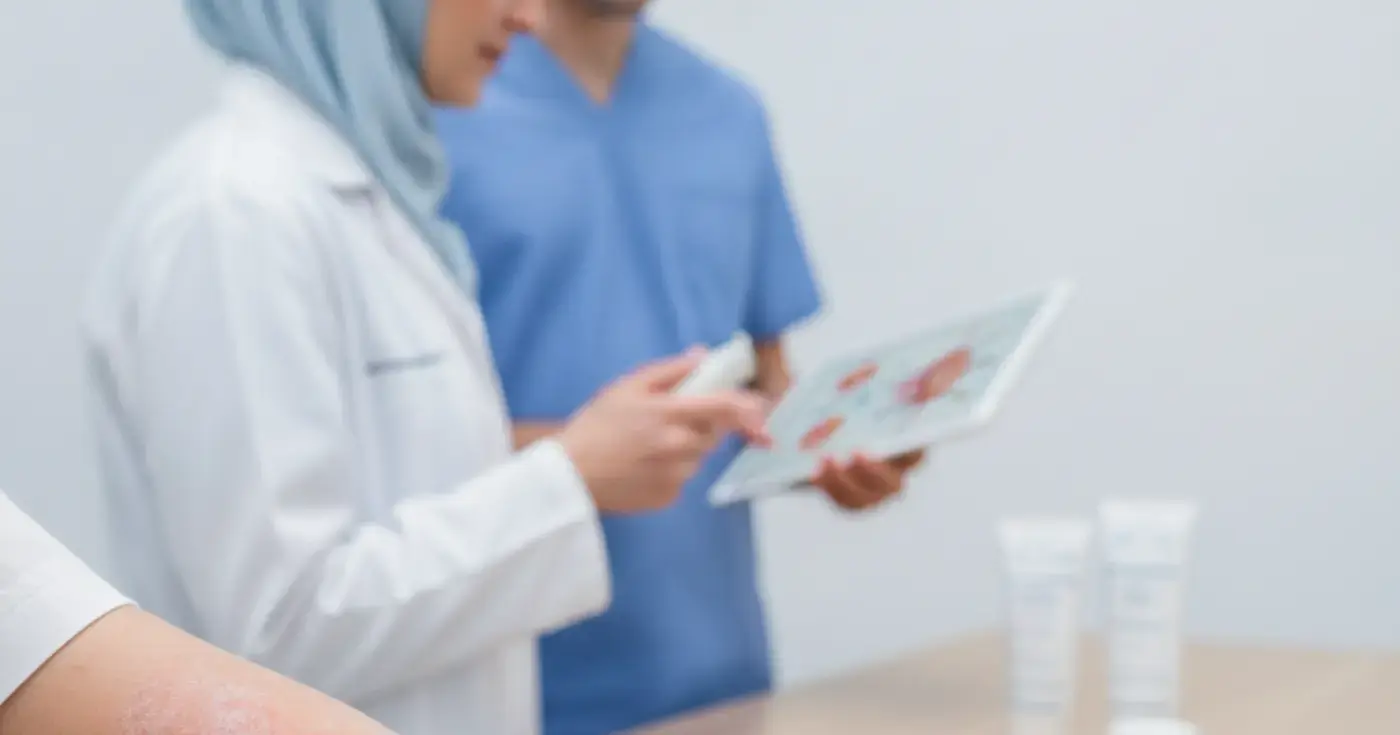
Explore the different types of psoriasis, why symptoms vary individually, and the latest medical treatments and management strategies.
Read article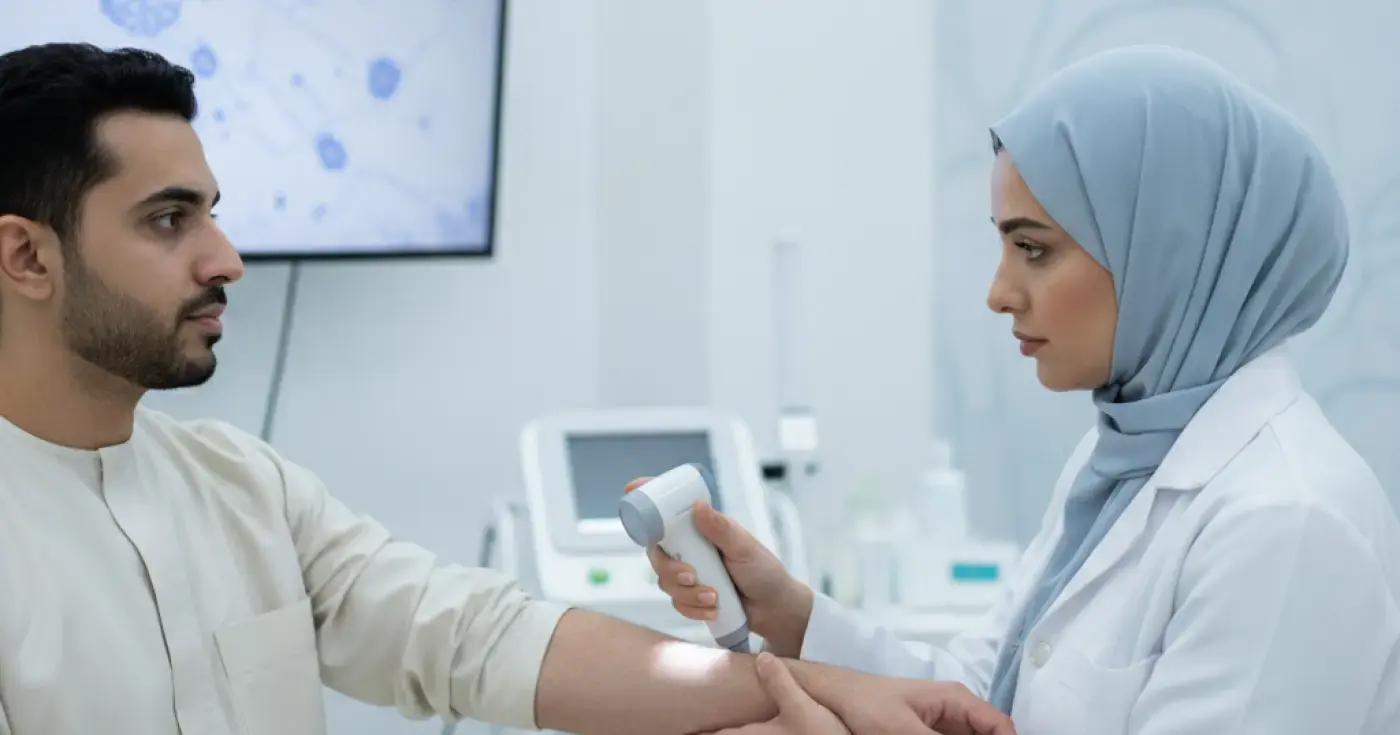
Learn about psoriasis causes, symptoms, and the latest medical, systemic, and biological treatments. Discover practical coping strategies.
Read article