
Lahalak Medical PlatformDifferentiate Care
Discover the primary triggers of psoriasis flare-ups and learn practical, medical-backed strategies to prevent and manage sudden outbreaks.

Advertisement
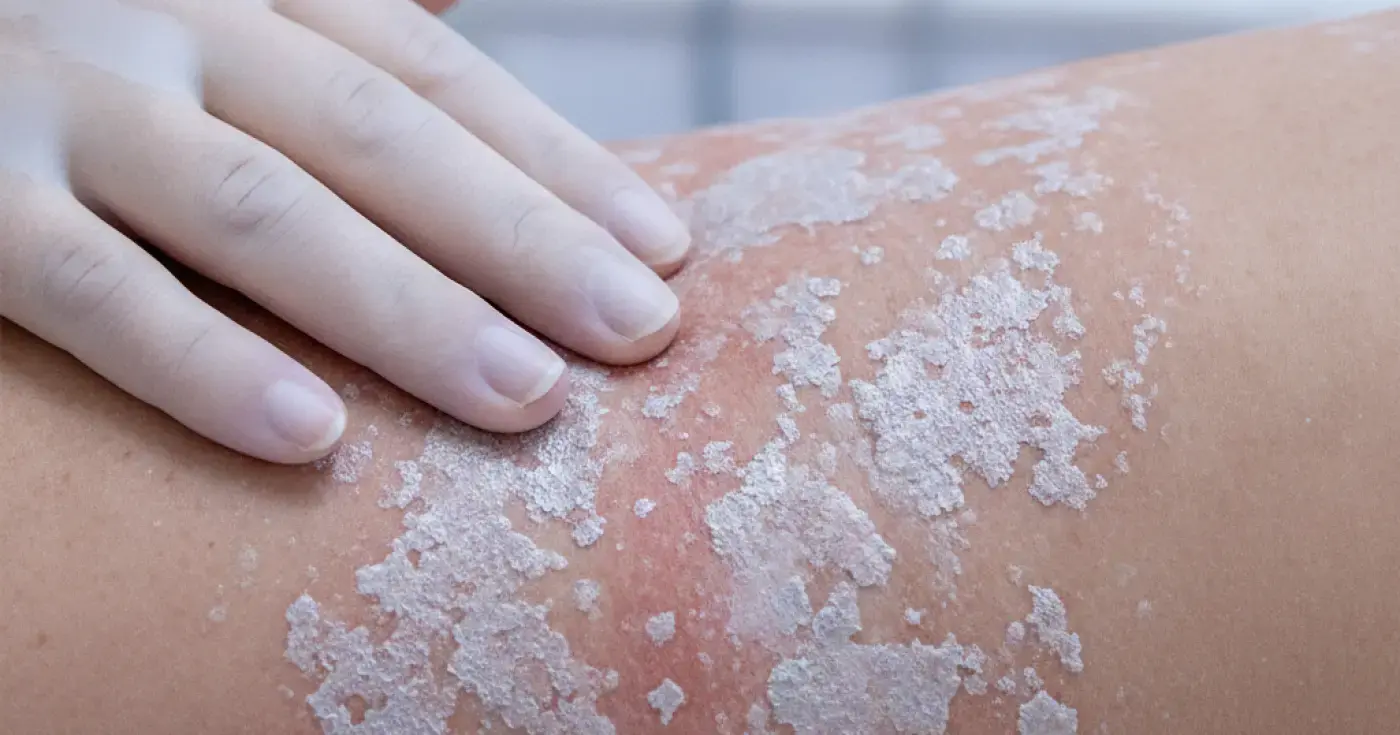
Psoriasis is a chronic autoimmune skin condition characterized by rapid skin cell turnover, leading to the accumulation of thick, scaly plaques on the skin's surface. This condition is naturally cyclical, meaning patients experience periods of remission followed by sudden flare-ups. Understanding what triggers these episodes is crucial for long-term management and maintaining a high quality of life.
A psoriasis flare-up is a sudden worsening of symptoms, where skin lesions become redder, more widespread, itchy, and painful. These episodes are rarely random; they are typically set off by specific environmental, physical, or psychological triggers. Identifying and avoiding these triggers is a cornerstone of any successful psoriasis treatment plan.
Stress is one of the most common and powerful triggers for psoriasis. When the body is under stress, it releases hormones like cortisol and adrenaline, which can disrupt the immune system and trigger an inflammatory cascade, directly leading to a sudden flare-up or worsening of existing plaques.
Psoriasis patients are susceptible to the "Koebner phenomenon," where new psoriasis lesions develop in areas where the skin has been injured or traumatized. This includes sunburns, scratches, insect bites, vaccinations, tattoos, or even friction from tight clothing.
Any infection that stimulates the immune system can trigger a psoriasis flare-up. Strep throat is a well-known trigger, particularly for guttate psoriasis in children and young adults. Other viral or bacterial infections, such as the common cold or bronchitis, can also provoke a flare.
The skin's barrier is highly sensitive to climate. Cold, dry winter weather strips the skin of its natural moisture, leading to severe dryness, cracking, and increased itching, which frequently triggers flare-ups. Conversely, warm weather and moderate sunlight exposure often improve symptoms.
Certain prescription medications can trigger or worsen psoriasis symptoms. These include beta-blockers (used for high blood pressure), lithium (for psychiatric disorders), antimalarial drugs, and the rapid withdrawal of systemic or potent topical corticosteroids.
Clinical studies show that smoking not only increases the risk of developing psoriasis but also exacerbates the severity of flare-ups and reduces the effectiveness of treatments. Obesity and a sedentary lifestyle also contribute to systemic inflammation, worsening the condition.
| Primary Trigger | Impact on Psoriasis | Prevention & Management Strategy |
|---|---|---|
| Emotional Stress | Triggers inflammatory pathways and itching | Practice relaxation techniques, exercise, and ensure adequate sleep |
| Cold & Dry Weather | Causes severe skin dryness and scaling | Apply thick moisturizers frequently and use indoor humidifiers |
| Skin Injury | Causes new lesions at the site of trauma | Avoid scratching, protect skin from cuts, and wear loose clothing |
| Infections (e.g., Strep) | Triggers systemic immune response | Seek prompt medical treatment and antibiotics if prescribed |
| Certain Medications | Can cause sudden worsening of plaques | Consult your doctor to find safe alternative medications |
Keeping the skin well-hydrated is essential. Apply thick, fragrance-free ointments or creams immediately after bathing to lock in moisture. Avoid hot showers, which can dry out the skin further, and opt for lukewarm water instead.
Incorporating stress-reduction techniques into your daily routine can significantly reduce the frequency of flares. Practices such as deep breathing exercises, yoga, meditation, and regular physical activity help regulate immune responses and lower stress hormones.
While there is no specific diet that cures psoriasis, eating anti-inflammatory foods like fatty fish rich in omega-3s, leafy greens, and nuts can help reduce systemic inflammation. It is also beneficial to undergo routine blood tests to monitor vitamin D levels, as deficiency is common in psoriasis patients.
Psoriasis requires ongoing medical supervision. You should schedule a dermatologist consultation immediately if your skin lesions spread rapidly, become extremely painful or hot to the touch, if you develop pus-filled blisters (pustular psoriasis), or if you experience joint pain and stiffness, which may indicate psoriatic arthritis.
When a flare-up occurs, a dermatologist can adjust your treatment plan. This may involve prescribing stronger topical corticosteroids, vitamin D analogues, phototherapy (light therapy), or systemic and biological therapies that target specific parts of the immune system to safely and effectively calm the overactive response.
Clear, direct answers
Advertisement
Continue exploring
Is psoriasis contagious? Learn the truth about this autoimmune skin condition, its causes, triggers, types, and effective management strategies.
Read article
Learn about scalp psoriasis symptoms, medical treatments, daily hair care tips, and how to differentiate it from dandruff.
Read article
Explore the different types of psoriasis, why symptoms vary individually, and the latest medical treatments and management strategies.
Read article