
Lahalak Medical PlatformDifferentiate Care
Discover when PRP facial results appear, how long they last, the recommended session timeline, and clinical tips for maximizing your skin rejuvenation.
Advertisement
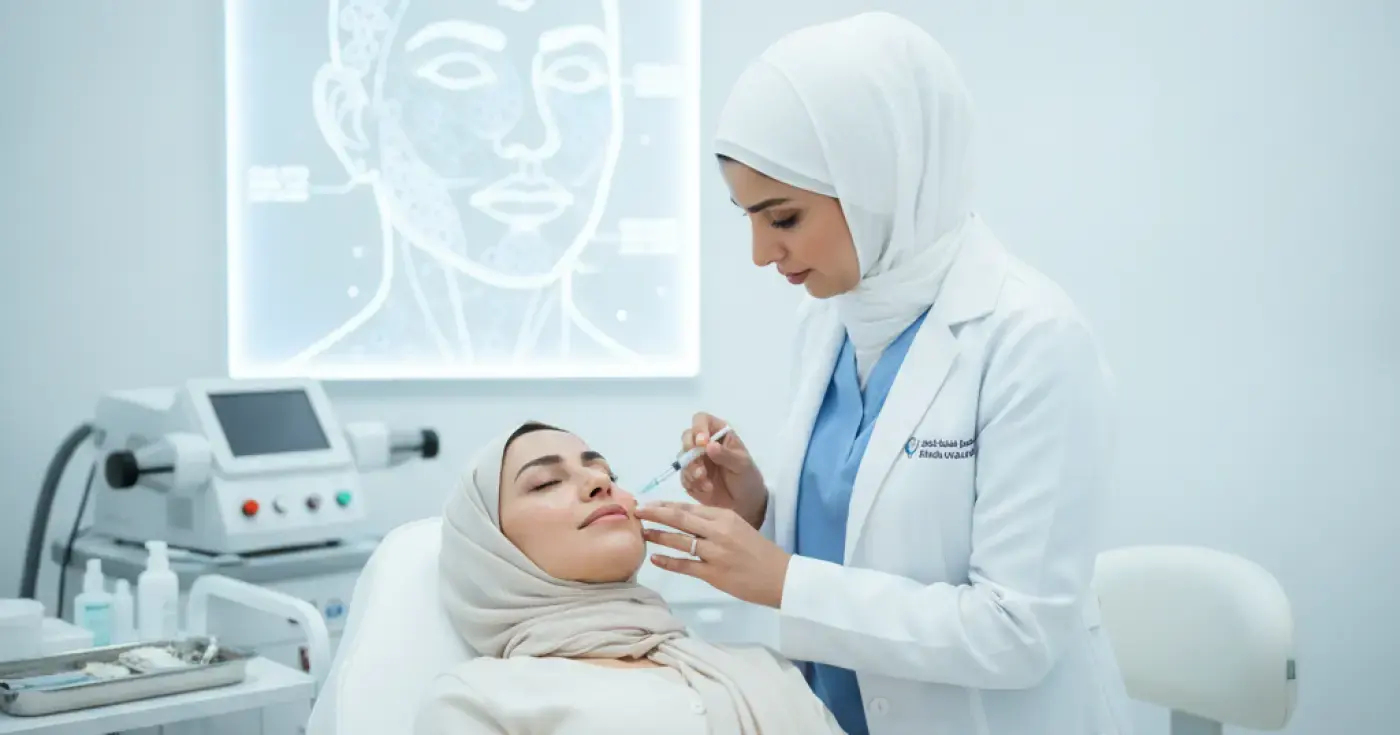
Platelet-Rich Plasma (PRP for face) has emerged as one of the most popular non-surgical aesthetic treatments in dermatology clinics across Saudi Arabia. This innovative therapy harnesses the body's natural healing and regenerative capabilities by extracting concentrated platelets from the patient's own blood and re-injecting them into the facial skin to stimulate collagen production and cellular renewal.
A common question among patients is: "When do PRP facial results appear?" In this comprehensive clinical guide, we will explore the expected timeline for results, the biological mechanism of PRP, the factors influencing its efficacy, and essential post-treatment care tips to ensure optimal outcomes.
To understand the timeline of PRP results, it is essential to understand the biological processes triggered by the treatment. Platelets are key components of the blood's natural healing cascade, containing a high concentration of bioactive proteins and growth factors.
Once injected into the skin, platelets release vital growth factors, including Platelet-Derived Growth Factor (PDGF), Transforming Growth Factor-beta (TGF-beta), and Vascular Endothelial Growth Factor (VEGF). These proteins act as chemical messengers, signaling local stem cells and dermal fibroblasts to proliferate and repair the tissue.
The released growth factors target fibroblasts, the cells responsible for synthesizing collagen and elastin. These two structural proteins are crucial for maintaining skin elasticity, firmness, and youthfulness. By stimulating natural collagen synthesis, PRP helps reverse the signs of aging safely and organically.
Unlike dermal fillers or botulinum toxin, which offer immediate or rapid results, PRP is a regenerative therapy that relies on the body's natural cellular turnover. Consequently, results develop gradually over several weeks and months:
In the first few days following the procedure, patients may notice a temporary "glow" due to the mild swelling and increased blood circulation from the micro-injections. However, minor redness, swelling, or pinpoint bruising at the injection sites is common and typically resolves within 24 to 48 hours.
True regenerative results begin to manifest around 2 to 4 weeks after the first session. During this phase, new collagen fibers begin to form, and microcirculation improves. Patients will notice a visible improvement in skin texture, smoothness, and a more even skin tone.
The peak results of a PRP facial treatment plan are typically achieved 3 to 6 months after starting the protocol. At this stage, the deep structural benefits become apparent, including enhanced skin elasticity, a reduction in fine lines, improvement in acne scars, and a sustained, healthy radiance.
The onset and quality of PRP results vary from person to person, influenced by several biological and technical factors:
For optimal and long-lasting results, dermatologists generally recommend an initial treatment course of 3 to 4 sessions, spaced 3 to 4 weeks apart. Once the primary course is completed, maintenance sessions are advised every 6 to 12 months to sustain collagen production and preserve the skin's youthful appearance.
Proper preparation before your session can enhance platelet quality and minimize the risk of bruising:
Adhering to strict post-treatment guidelines is vital for a smooth recovery and maximizing the benefits of your PRP treatment:
Apply a broad-spectrum sunscreen daily to protect the sensitive skin from UV-induced hyperpigmentation. Keep the skin hydrated with gentle moisturizers containing hyaluronic acid or panthenol. Avoid chemical exfoliants, retinoids, and active serums for at least 5 to 7 days post-treatment, following a proper العناية بالبشرة بعد الليزر or post-procedure care routine.
To help you understand how PRP compares to other popular facial rejuvenation options, refer to the comparison table below:
| Treatment | Mechanism of Action | Expected Onset of Results | Longevity of Results | Recovery Time |
|---|---|---|---|---|
| PRP Therapy | Natural cellular regeneration via autologous growth factors | Gradual (starts at 2 weeks, peaks at 3-6 months) | 12 to 18 months (with maintenance) | 24 to 48 hours |
| Dermal Fillers | Physical volume restoration using hyaluronic acid | Immediate | 6 to 12 months | Minimal (potential mild bruising) |
| Fractional Laser | Microscopic thermal ablation to stimulate epidermal renewal | 1 to 2 weeks (after peeling resolves) | Several months to a year | 5 to 7 days (redness and peeling) |
Because PRP is derived from your own blood, the risk of allergic reactions or systemic side effects is virtually non-existent. However, localized, temporary side effects may occur, including mild redness, swelling, tenderness, or minor bruising at the injection sites. These symptoms typically resolve spontaneously within a few days.
PRP is highly safe, but it is not suitable for everyone. Absolute and relative contraindications include:
A thorough medical consultation with a qualified dermatologist is essential before undergoing treatment. Your doctor may recommend a تحليل الدم الشامل to evaluate your platelet count and ensure the procedure is safe and effective for you.
Clear, direct answers
Advertisement
Continue exploring
Discover the timeline for PRP hair treatment results, how many sessions you need, and expert tips to maximize hair growth and density.
Read article
Learn about the standard number of PRP sessions required for hair restoration, the clinical timeline, and what to expect from the treatment.
Read article
Discover how Platelet-Rich Plasma (PRP) therapy works for hair loss, its clinical benefits, procedure steps, and expected results.
Read article