
Lahalak Medical PlatformDifferentiate Care
A medical guide on pediatric birthmarks, identifying red flags, and exploring modern laser and surgical treatment options in Saudi Arabia.

Advertisement
Birthmarks are extremely common skin findings in newborns and infants. A birthmark is a colored mark or patch that appears on the skin at birth or shortly thereafter. These marks vary widely in size, color, and shape, often raising questions and concerns for parents regarding their safety and whether they require medical or surgical intervention. In this comprehensive guide, we will explore the different types of birthmarks, clarify when they are benign cosmetic marks that fade naturally, and outline when they warrant consulting a pediatric dermatologist for early intervention to protect the child's physical and psychological well-being.
Dermatologists classify birthmarks into two primary categories based on their histological origin:
These marks occur when blood vessels do not form correctly, resulting in an abnormal cluster of vessels under the skin. They include:
These marks are caused by an excess concentration of melanocytes (pigment-producing cells) in a specific area of the skin. They include:
While most birthmarks are benign, certain clinical signs indicate a need for prompt evaluation and close skin growth monitoring. These red flags include:
Recent clinical guidelines emphasize that early intervention for certain birthmarks—especially vascular lesions like port-wine stains and large hemangiomas—yields significantly better cosmetic and functional outcomes compared to a "wait-and-see" approach. Early treatment prevents tissue hypertrophy, reduces the risk of permanent scarring, and mitigates the psychological impact or social anxiety the child might experience when entering school.
A variety of advanced treatment modalities are available in specialized clinics across Saudi Arabia, tailored to the birthmark's type, size, and location:
The introduction of oral beta-blockers (such as propranolol) revolutionized the management of proliferating infantile hemangiomas. Propranolol constricts the blood vessels feeding the hemangioma, halting its growth and promoting rapid shrinkage. This therapy is administered under close medical supervision to monitor the infant's heart rate and blood glucose levels.
For vascular marks like port-wine stains, laser birthmark removal using the Pulsed Dye Laser (PDL) is the gold standard. The laser targets hemoglobin in the blood vessels without damaging the surrounding skin tissue, gradually lightening the mark over several sessions.
Surgical intervention, such as surgical mole removal, is reserved for large congenital pigmented nevi, lesions with atypical features, or birthmarks that cause functional impairment and cannot be effectively managed with non-invasive therapies.
| Birthmark Type | Typical Appearance | Intervention Urgency | Preferred Treatment |
|---|---|---|---|
| Infantile Hemangioma | Raised, bright red "strawberry" lesion | Yes, if in critical areas or growing rapidly | Oral Propranolol or Laser Therapy |
| Port-Wine Stain | Flat, dark red or purple patch | Yes, early intervention is highly recommended | Pulsed Dye Laser (PDL) |
| Mongolian Spots | Flat, blue-grey patches on lower back | No, typically fades on its own | Observation only |
| Congenital Nevi (CMN) | Brown or black mole, may have hair | Yes, for monitoring or if giant in size | Surgical excision or regular follow-ups |
During your child's consultation, the specialist will perform a thorough physical examination of the skin. The doctor may use a dermoscope to evaluate the pigment pattern of the birthmark. In rare cases where a vascular birthmark might have deep tissue involvement or be associated with systemic syndromes, diagnostic imaging such as an ultrasound or MRI may be recommended to ensure a safe and effective treatment plan.
An infant's delicate skin requires meticulous care following laser or surgical procedures. Parents should strictly follow the dermatologist's instructions, which typically include applying prescribed healing ointments or topical antibiotics, keeping the area clean, and protecting the treated skin from direct sunlight using physical sunscreens formulated for babies to prevent post-inflammatory hyperpigmentation.
Many cultural myths mistakenly attribute birthmarks to maternal cravings ("وحام") or emotional shocks during pregnancy. Scientifically, birthmarks are purely biological phenomena resulting from vascular or melanocytic development in utero, completely unrelated to the mother's diet or emotions. Parents are strongly advised against using home remedies or abrasive scrubbing to remove birthmarks, as these can cause severe chemical burns, permanent scarring, and serious infections.
The key to successful birthmark management is early and accurate diagnosis. We advise parents to have any birthmark evaluated by a qualified pediatric dermatologist shortly after birth. This ensures a proper monitoring or treatment plan is established early, supporting the child's healthy physical development and emotional confidence.
Clear, direct answers
Advertisement
Continue exploring
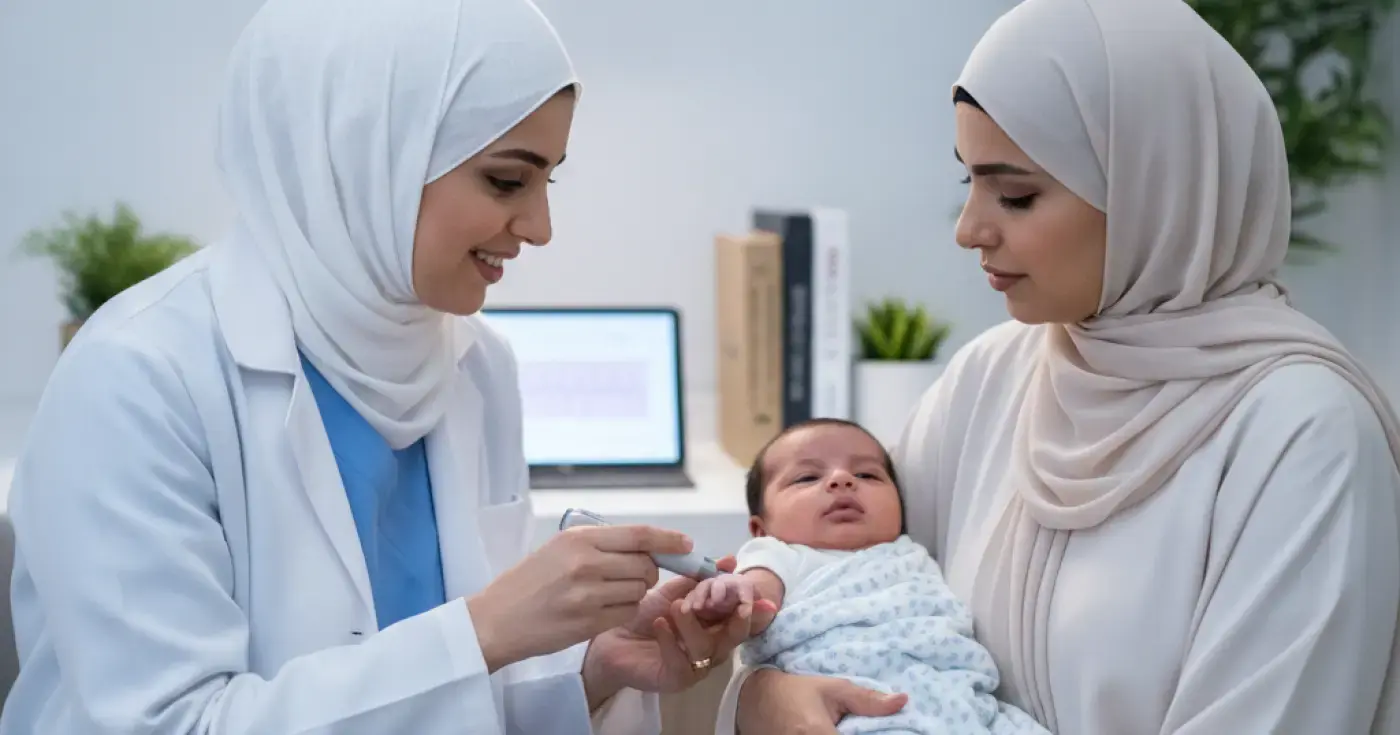
Learn about different types of birthmarks in babies, which ones fade naturally over time, when to consult a doctor, and available treatment options.
Read article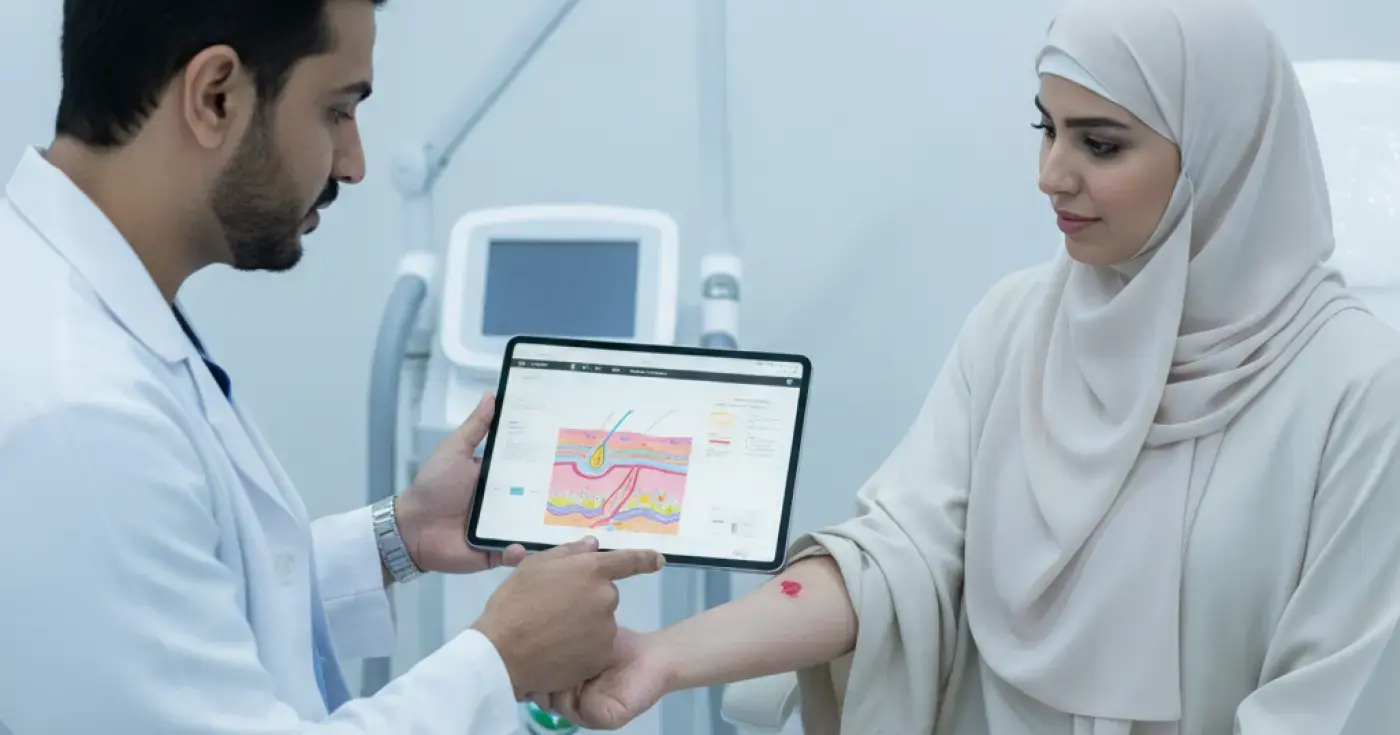
Discover the best medical treatments for vascular and pigmented birthmarks, including laser therapy, surgery, and essential post-care tips.
Read article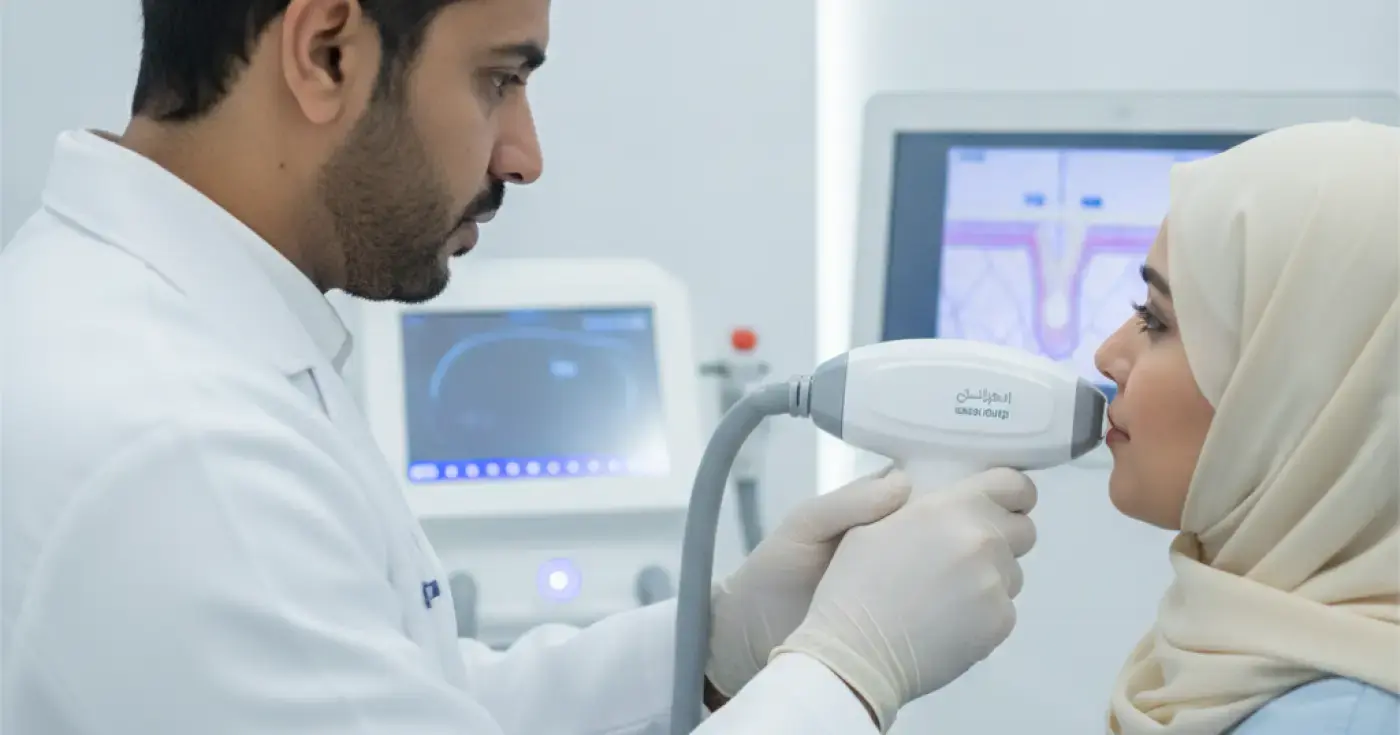
Learn about laser treatment for vascular and pigmented birthmarks, including technologies, expected results, and essential post-treatment care.
Read articleExplore the topic