
Lahalak Medical PlatformDifferentiate Care
Learn about nail psoriasis symptoms, diagnosis, and advanced medical treatments available for managing nail changes effectively.
Advertisement
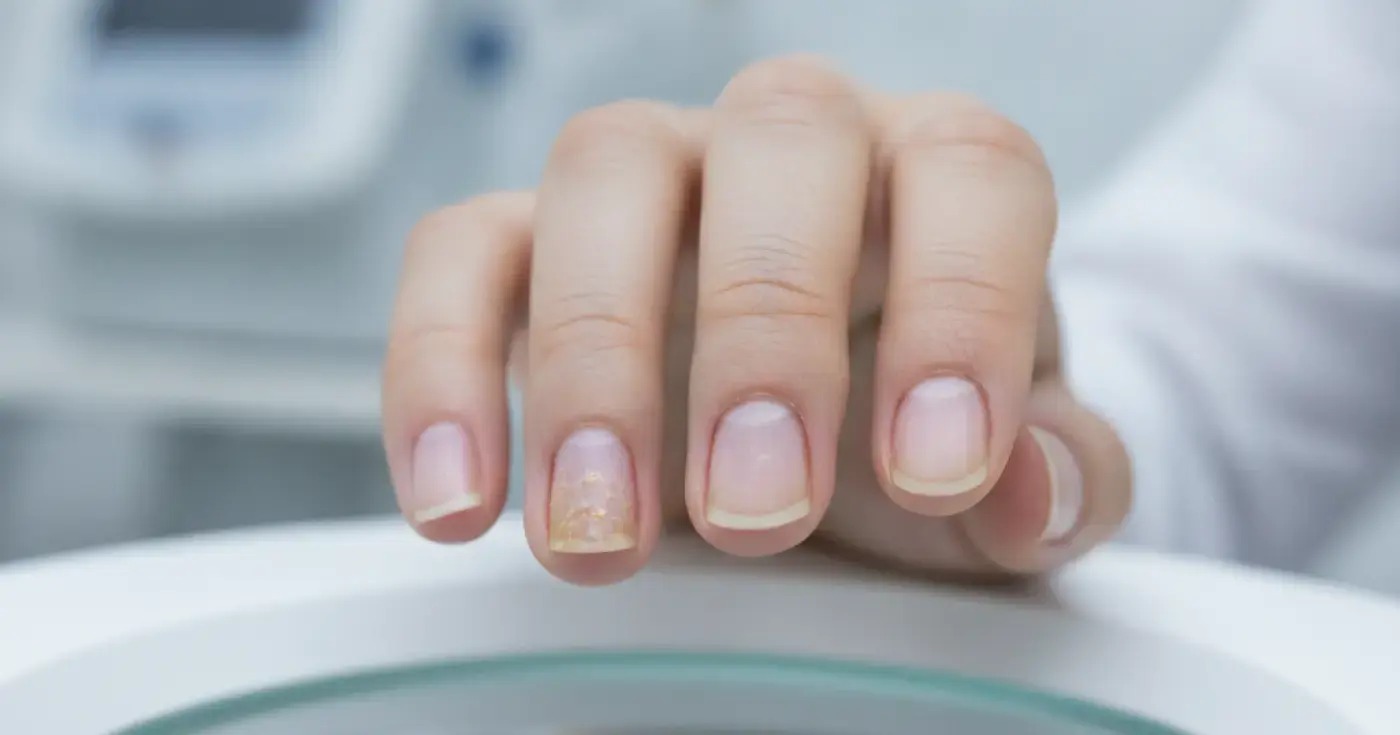
Nail psoriasis is a common manifestation of psoriasis, a chronic autoimmune skin condition characterized by rapid skin cell turnover. Clinical studies indicate that up to 50% of people with cutaneous psoriasis experience nail changes, and this rate rises to 80% in individuals with psoriatic arthritis. This condition can significantly impact a patient's quality of life, causing physical discomfort, pain, and difficulty performing daily tasks with their hands or feet.
The symptoms of nail psoriasis vary depending on whether the nail matrix or the nail bed is affected. Key clinical signs include:
This appears as small, shallow, or deep depressions on the surface of the nail plate. Pitting occurs when the inflammatory process affects the active nail matrix.
Yellow-brown spots resembling drops of oil may appear under the nail plate. Often referred to as "oil drop" or "salmon patches," this is a classic sign of nail bed psoriasis.
The nail plate gradually separates from the underlying pink nail bed, creating an empty space that can become a breeding ground for bacterial or fungal infections.
Dead skin cells and keratin accumulate under the nail plate, causing the nail to become thick, raised, and painful due to localized pressure.
Diagnosing nail psoriasis requires a thorough clinical examination by a dermatologist. Because nail psoriasis can closely mimic fungal nail infections (onychomycosis), the doctor may take a small nail clipping or scraping for microscopic examination or fungal culture to rule out infection before initiating a targeted treatment plan.
Treating nail psoriasis requires patience and consistency because nails grow very slowly. Available medical treatments include:
These are the first line of defense for mild to moderate cases and include potent topical corticosteroids, calcipotriol (vitamin D analogs), and calcineurin inhibitors. Regular application is essential to reach the nail matrix and bed.
For stubborn, localized cases, a dermatologist may inject corticosteroids directly into or near the nail matrix under local anesthesia to reduce inflammation effectively.
For severe cases or when accompanied by psoriatic arthritis, systemic medications such as methotrexate or cyclosporine may be prescribed. Additionally, biologic therapy represents a modern breakthrough, targeting specific inflammatory proteins in the immune system to control the disease at its source.
| Treatment Type | Mechanism of Action | Target Group | Potential Side Effects |
|---|---|---|---|
| Topical Treatments | Reduces local inflammation and slows cell growth | Mild to moderate cases | Skin thinning around the nail, local irritation |
| Intralesional Corticosteroids | Delivers medication directly to the matrix to reduce inflammation | Moderate to severe, resistant cases | Temporary pain during injection, localized atrophy |
| Biologic Therapies | Inhibits specific immune proteins causing inflammation | Severe cases or those with psoriatic arthritis | Slightly increased susceptibility to infections |
Proper daily habits protect the nails from further damage and support medical treatments. Dermatologists recommend the following nail care practices:
Adhering to your medical treatment plan and attending regular follow-ups with your dermatologist are the most effective ways to restore nail health and improve overall quality of life.
Clear, direct answers
Advertisement
Continue exploring

Discover the link between psoriasis and psychological stress. Learn about biological triggers, coping mechanisms, and integrated medical treatments.
Read article
A comprehensive medical guide on psoriasis in children, covering symptoms, triggers, safe treatment options, and daily care tips.
Read article
Discover the primary triggers of psoriasis flare-ups and learn practical, medical-backed strategies to prevent and manage sudden outbreaks.
Read articleExplore the topic