
Lahalak Medical PlatformDifferentiate Care
Discover how laser mole removal works, who is a suitable candidate, and essential post-treatment care tips to ensure scar-free healing.

Advertisement
Moles (known medically as melanocytic nevi) are common skin growths that develop when pigment-producing cells (melanocytes) grow in clusters. While the vast majority of moles are completely benign and harmless, many individuals choose to remove them for cosmetic reasons—especially when located on prominent areas like the face or neck—or for practical reasons, such as when a mole rubs uncomfortably against clothing or jewelry. Laser mole removal has emerged as a highly popular, non-invasive, and precise dermatological procedure that offers quick recovery with minimal downtime.
Before undergoing any cosmetic mole removal, a thorough clinical evaluation by a board-certified dermatologist is absolutely mandatory. The primary purpose of this assessment is to rule out atypical moles, dysplastic nevi, or skin cancers such as melanoma. If there is any clinical suspicion, the mole must not be treated with a laser; instead, it must be surgically excised and sent for a skin biopsy for histological examination.
Dermatologists utilize the ABCDE criteria to evaluate whether a mole is safe for laser removal or requires surgical investigation:
Any mole displaying these characteristics is strictly unsuitable for laser therapy and must be managed surgically.
The procedure utilizes highly focused beams of light energy directed precisely at the mole. The pigment (melanin) within the mole absorbs this light energy, which heats up and vaporizes the pigment cells without damaging the surrounding healthy skin tissue. Dermatologists typically use two main categories of lasers:
Laser removal is highly effective, but only for specific types of moles. Ideal candidates include individuals with:
Laser treatment is contraindicated and should be avoided for:
Laser mole removal is a quick, in-office procedure performed under local anesthesia. The typical clinical workflow includes:
The skin surrounding the mole is thoroughly cleaned and disinfected to prevent any risk of infection.
A topical numbing cream or a minor local anesthetic injection is administered directly beneath the mole, ensuring the patient experiences no pain or discomfort during the laser application.
Both the patient and the physician wear protective eyewear. The dermatologist carefully calibrates the laser and delivers precise pulses of light to vaporize the mole until it is flush with the surrounding skin.
The treated area is cleaned, a sterile healing ointment is applied, and a small protective bandage is placed over the wound to shield it from external contaminants.
To help you understand your options, the table below compares laser removal with traditional surgical techniques:
| Feature | Laser Mole Removal | Surgical Excision | Shave Excision |
|---|---|---|---|
| Suitable Mole Types | Small, flat, and strictly benign | Deep, large, or suspicious moles | Raised, benign moles |
| Need for Sutures (Stitches) | No sutures required | Sutures are usually required | Rarely requires sutures |
| Scarring Risk | Very low and temporary | Moderate (leaves a linear scar) | Low to moderate |
| Biopsy Capability | Not possible (tissue is vaporized) | Mandatory and highly reliable | Possible and recommended |
| Recovery Time | Fast (5 to 7 days) | Longer (10 to 14 days) | Moderate (7 to 10 days) |
While laser mole removal is highly safe when performed by an experienced professional, some risks and temporary side effects may occur, including:
Achieving an optimal cosmetic outcome depends heavily on diligent post-laser skin care. Patients should adhere to the following medical guidelines:
Monitor the healing site closely. Contact your dermatology clinic immediately if you experience any signs of complications, such as:
Ultimately, the decision to undergo laser mole removal should always begin with a professional consultation to ensure both clinical safety and the best aesthetic results.
Clear, direct answers
Advertisement
Continue exploring
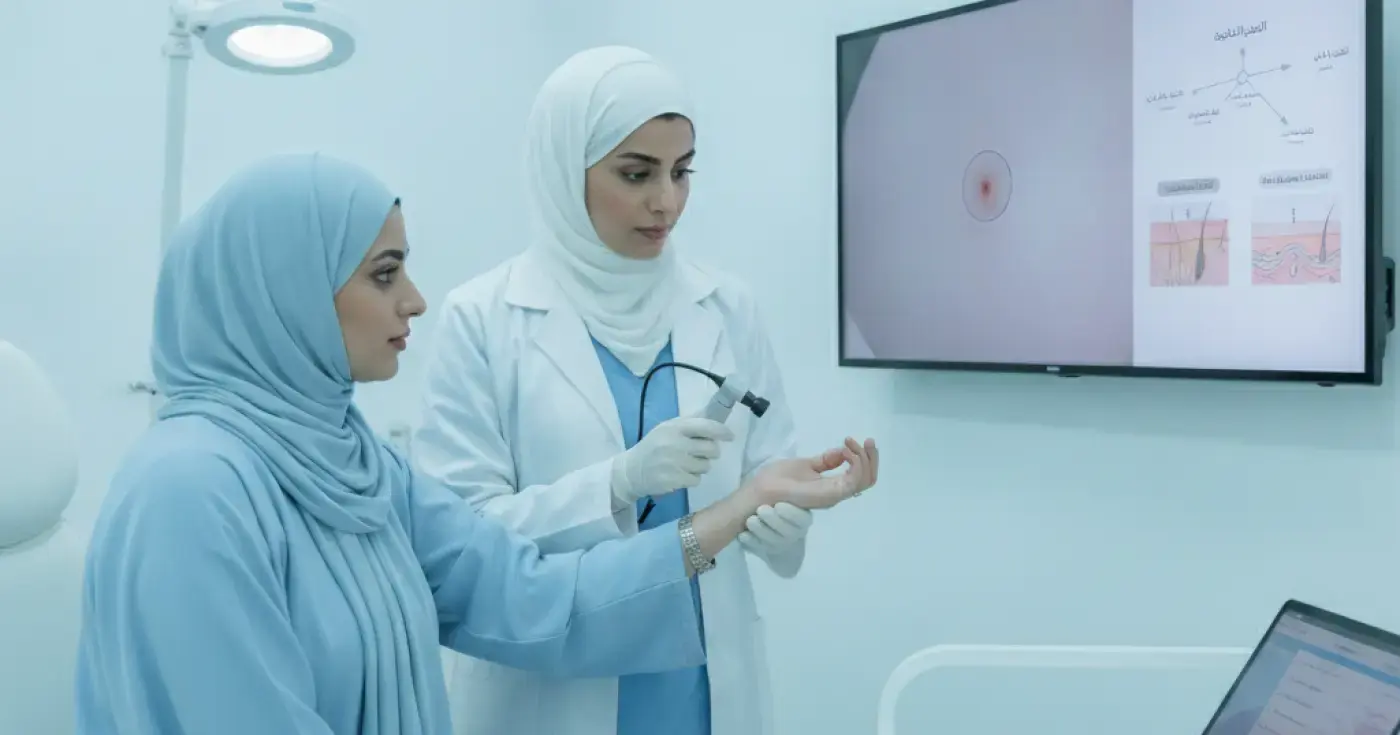
Discover when mole or skin tag removal is clinically recommended, the safest medical procedures, and what to expect during recovery.
Read article
Discover safe medical methods for removing moles and skin tags, the risks of DIY removal, and when to consult a dermatologist.
Read article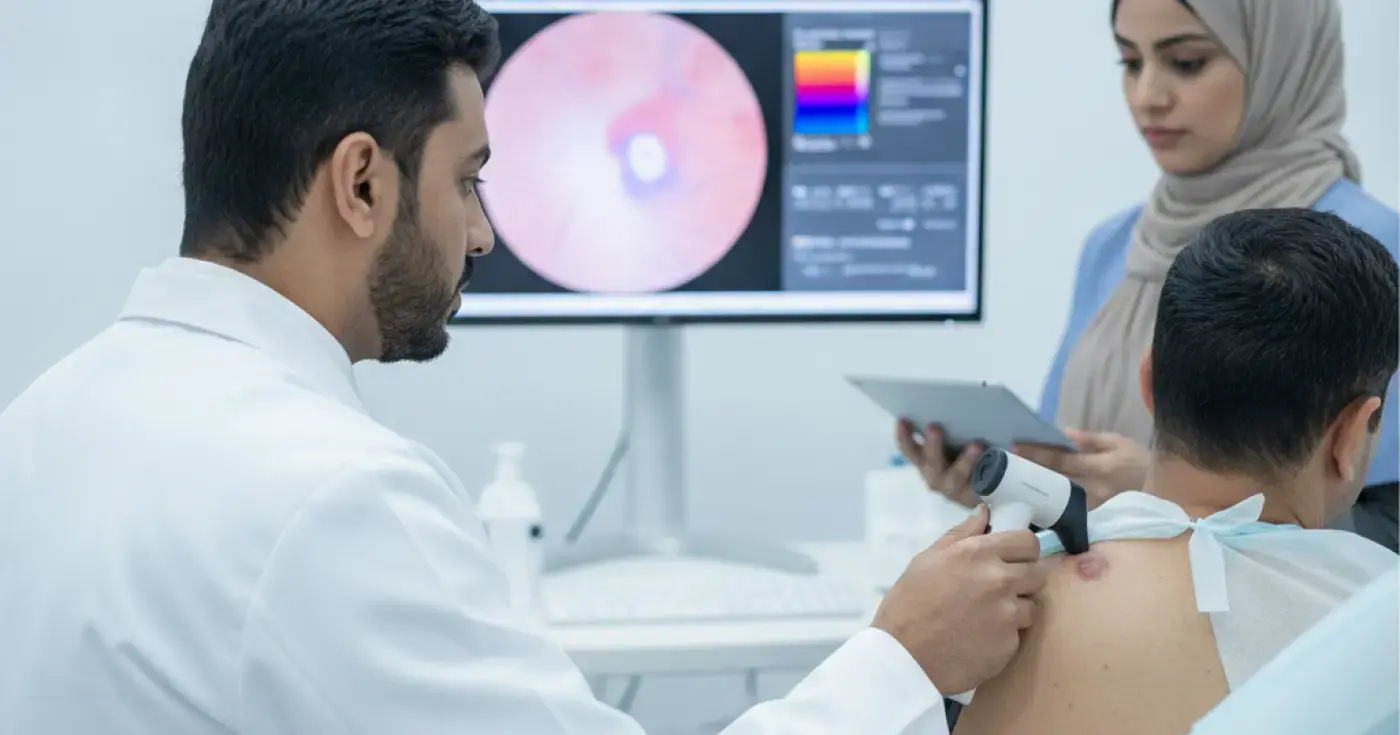
A complete medical guide on the clinical steps, biopsy types, pathology results, and treatment options after detecting an abnormal mole.
Read article