Lahalak Medical PlatformDifferentiate Care
Discover safe medical methods for removing moles and skin tags, the risks of DIY removal, and when to consult a dermatologist.

Advertisement
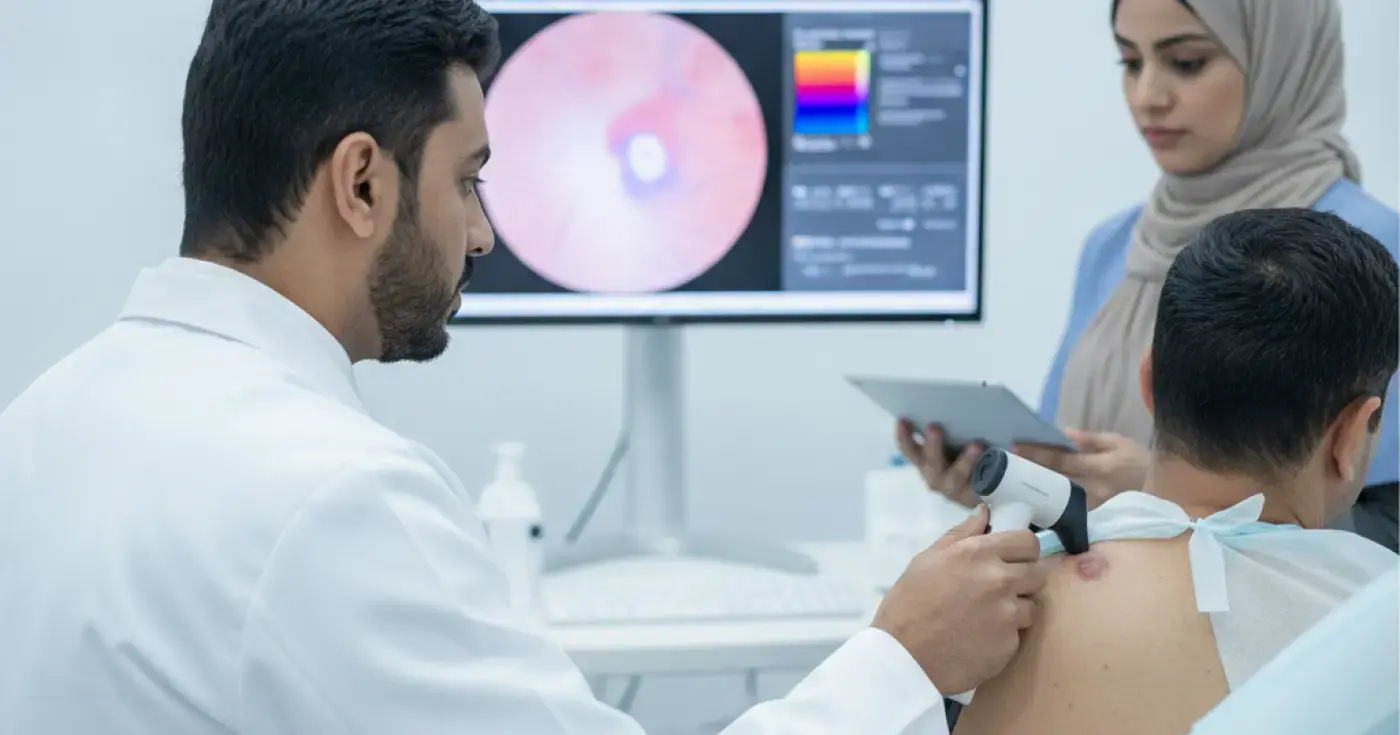
Moles and skin tags are highly common skin growths that can appear on various parts of the body due to genetic, hormonal, or environmental factors. While the vast majority of these growths are benign and pose no threat to general health, many individuals choose to have them removed for cosmetic reasons or due to physical discomfort caused by friction with clothing and jewelry. In this comprehensive medical guide, we will explore the safe, approved medical methods for removing moles and skin tags, highlight the severe risks associated with at-home removal attempts, and explain when you must seek a dermatologist consultation immediately.
It is essential to understand the difference between moles and skin tags before deciding on removal, as their tissue structure and medical management differ significantly:
Several safe treatment options are available within specialized dermatology clinics. A dermatologist determines the most appropriate method based on the type, size, location of the skin lesion, and clinical suspicion of malignancy:
This method is the gold standard for deep moles or those suspected of being atypical or malignant. After administering local anesthesia, the doctor uses a scalpel to perform a surgical excision of the entire mole along with a small margin of healthy skin to ensure all pigment cells are removed. The wound is then closed with cosmetic sutures. This method allows the excised sample to be sent to a laboratory for biopsy to confirm its safety.
This technique is used for moles that protrude above the skin surface or for larger skin tags. Under local anesthesia, the dermatologist uses a thin, sterile blade to shave the growth down to the level of the surrounding skin. This method does not require stitches and heals quickly with minimal scarring.
This method utilizes high-frequency electrical currents to burn off skin tags or small, superficial moles. Electrosurgery destroys the targeted tissue while simultaneously coagulating surrounding blood vessels, preventing bleeding during the procedure and reducing the risk of infection.
Cryotherapy using liquid nitrogen is an excellent, rapid option for removing skin tags. Extremely cold liquid nitrogen is applied to the skin tag for a few seconds, freezing its cells and cutting off its blood supply. Within a few days, the skin tag dries up and falls off naturally without the need for surgery or anesthesia.
Advanced laser mole removal technology is ideal for flat, superficial moles, especially in sensitive areas like the face. The laser emits intense light pulses that break down the pigment cells of the mole without damaging the surrounding tissues, significantly minimizing the risk of scarring.
The following table provides a quick comparison of the available medical options to help you understand their primary differences:
| Removal Method | Common Indications | Anesthesia Type | Expected Recovery Time | Scarring Risk |
|---|---|---|---|---|
| Surgical Excision | Deep or suspicious moles | Local | 10 - 14 days | Moderate (improves over time) |
| Surgical Shave | Raised and superficial moles | Local | 7 - 10 days | Low to Moderate |
| Electrosurgery | Skin tags and small moles | Local (optional) | 5 - 7 days | Very Low |
| Cryotherapy | Skin tags and warts | Usually none | 7 - 10 days | Low |
| Laser Removal | Superficial moles and small tags | Local (cream or injection) | 5 - 7 days | Very Low |
Dermatologists strongly warn against attempting to remove moles or skin tags using home remedies, threads, or unapproved chemical solutions sold online. These strict warnings are based on several clinical risks, including:
Regular skin checks are vital. We recommend seeking a dermatologist consultation immediately if you notice any of the following changes in a mole, known medically as the ABCDE criteria:
To ensure the best cosmetic results and avoid complications after your medical procedure, follow these guidelines:
Clear, direct answers
Advertisement
Continue exploring
Explore the topic