
Lahalak Medical PlatformDifferentiate Care
Discover how laser lip lightening works, expected results, recovery tips, and potential risks in this comprehensive medical guide.
Advertisement
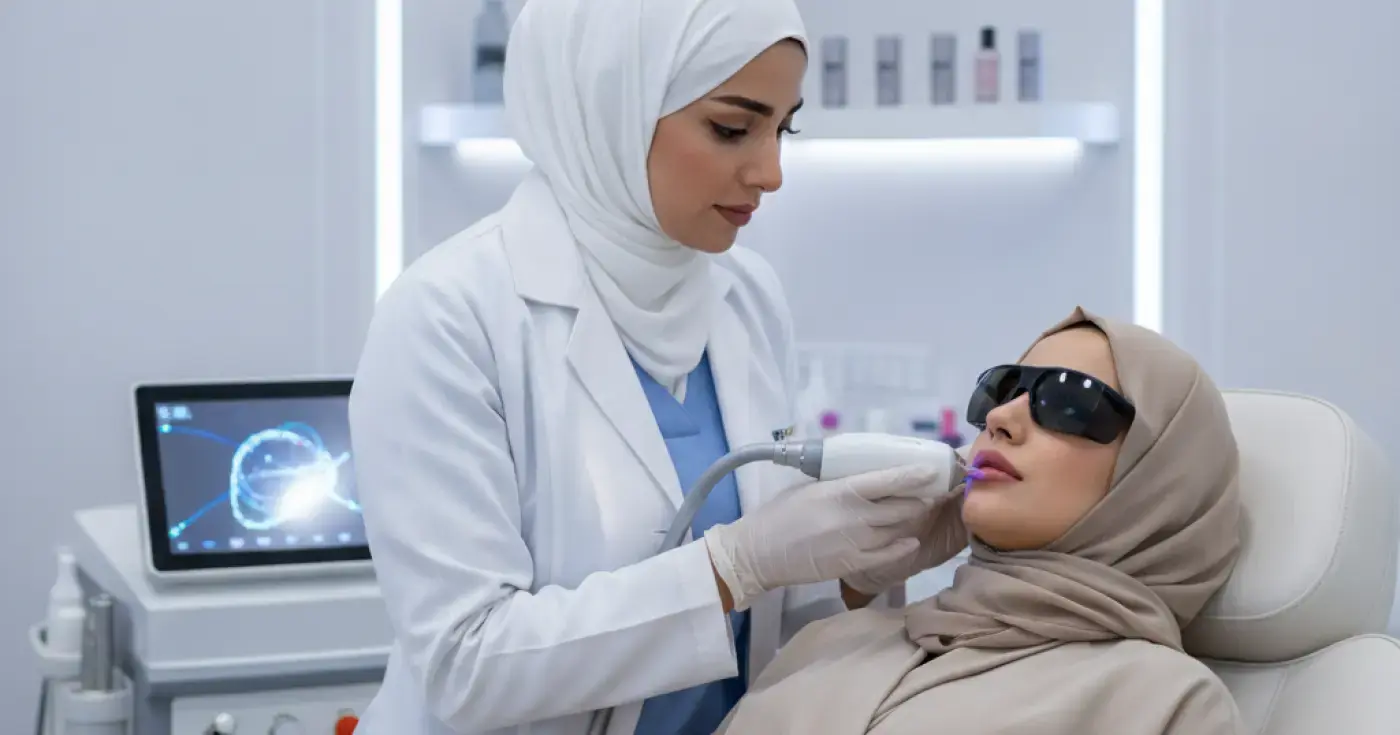
Healthy, naturally pink lips are a highly desired aesthetic feature for many individuals. However, lips can easily develop hyperpigmentation and dark spots due to various factors, including genetics, chronic sun exposure, smoking, hormonal fluctuations, or the use of low-quality cosmetics. Recently, laser lip lightening (often referred to as laser lip blushing or rejuvenation) has emerged as one of the most effective, non-invasive medical solutions to eliminate dark pigmentation and restore a natural, healthy flush to the lips.
This advanced dermatological procedure utilizes specialized laser wavelengths to target excess melanin in the delicate lip tissue, promoting a lighter tone while simultaneously stimulating natural collagen production. In this comprehensive medical guide, we will explore how this technology works, what to expect during an in-clinic session, the recovery process, and essential clinical advice to ensure safe and optimal outcomes.
The core mechanism of laser lip lightening is based on the principle of selective photothermolysis. The laser device emits precise wavelengths of light energy that are selectively absorbed by the melanin pigment (responsible for the dark coloration) within the lip tissues, leaving the surrounding healthy skin undamaged. Upon absorption, this light energy converts into thermal energy, safely shattering the melanin clusters into microscopic particles. Over the following weeks, the body's lymphatic system naturally processes and clears these fragmented pigments.
In addition to breaking down pigmentation, the gentle thermal energy delivered by the laser stimulates fibroblasts in the deeper dermal layers of the lips to synthesize new collagen and elastin. This dual-action process not only lightens the lips but also refines their texture, minimizes fine vertical lip lines, and imparts a subtly plumper, more youthful appearance.
Laser lip lightening is highly suitable for most individuals experiencing lip discoloration, particularly those within the following categories:
Before proceeding, a thorough dermatologist consultation is mandatory to evaluate the lips, rule out contraindications such as active infections, a history of frequent oral herpes simplex (cold sores) outbreaks, or pregnancy, and customize the laser settings accordingly.
To maximize treatment efficacy and minimize the risk of adverse reactions, patients should adhere to these pre-procedure guidelines for 7 to 10 days prior to their session:
The procedure is performed in an outpatient clinic setting by a qualified medical professional and typically takes between 15 and 30 minutes. The standard clinical steps include:
Different laser technologies can be utilized for lip lightening depending on the depth of pigmentation and skin type. The table below outlines the most common lasers used in clinical practice:
| Laser Type | Primary Mechanism | Best Suited For | Expected Recovery Time |
|---|---|---|---|
| Q-Switched Nd:YAG | Shatters melanin with ultra-fast pulses without excess thermal damage | Deep, stubborn, and dark hyperpigmentation | 3 - 5 days |
| Picosecond Laser | Delivers photoacoustic energy in picoseconds for ultra-precise pigment clearance | Rapid lightening and collagen stimulation with minimal downtime | 2 - 3 days |
| Erbium:YAG Laser | Performs a gentle, controlled superficial ablation of the outer lip layers | Removing dead skin cells and completely resurfacing dry, textured lips | 5 - 7 days |
Proper post-treatment care is vital to achieving the desired aesthetic results and preventing rebound hyperpigmentation. Key post-laser skin care instructions for the lips include:
Laser lip lightening results are gradual rather than instantaneous. The body requires time to clear away the fragmented pigment particles and regenerate new, healthy skin cells. Initial lightening is typically visible 5 to 7 days after the peeling process is complete, with full results manifesting over the subsequent weeks.
To achieve optimal pigment clearance, most patients require a series of 2 to 4 sessions, spaced 4 to 6 weeks apart. The longevity of the results depends heavily on lifestyle factors; maintaining proper hydration, practicing sun protection, and avoiding smoking can preserve the lightened, youthful appearance for a year or more. Annual touch-up sessions can be scheduled to maintain the desired pink tone.
When performed by an experienced medical professional, laser lip lightening is a highly safe procedure. However, patients should expect some temporary, normal side effects, including:
Rare complications, usually associated with improper post-care or incorrect laser settings, include post-inflammatory hyperpigmentation (rebound darkening), superficial burns, scarring, or a flare-up of oral herpes. Adhering strictly to clinical guidelines and choosing a reputable practitioner are the best ways to mitigate these risks.
Clear, direct answers
Advertisement
Continue exploring
Can you combine facial, eyebrow, and body laser hair removal in one session? Learn about the clinical safety guidelines, benefits, and risks.
Read article
Learn the medical facts about laser hair removal efficacy, the difference between permanent removal and reduction, and what to expect from treatments.
Read article
Discover the clinical reasons why laser hair removal results differ, including skin type, hair color, hormonal factors, and device technology.
Read articleExplore the topic