Medical notice: this content is for health education and does not provide an individual diagnosis or replace appropriate medical consultation.
Introduction: What is Eczema?
Eczema, clinically known as atopic dermatitis, is one of the most common chronic inflammatory skin conditions worldwide. Characterized by intense itching, dry skin, and red patches, it significantly impacts the daily lives of millions of individuals. Despite its prevalence, several misconceptions persist, with the most frequent being: Is eczema contagious?
The Core Question: Is Eczema Contagious?
The definitive medical answer is: No, eczema is not contagious. You cannot catch eczema from someone else, nor can you pass it to another person through physical contact, shaking hands, sharing clothing, or swimming in the same pool. Eczema is a non-infectious inflammatory skin condition resulting from a complex interplay of genetic predisposition, environmental triggers, and skin barrier dysfunction.
Why Do People Think Eczema is Contagious? (Secondary Infections)
The misconception that eczema can spread from person to person often arises from several clinical observations:
- Secondary Skin Infections: Eczema compromises the skin's protective barrier. Frequent scratching creates micro-tears in the skin, allowing bacteria (such as Staphylococcus aureus) or viruses (such as Herpes simplex) to enter. These secondary infections can indeed be contagious upon direct contact, whereas the underlying eczema is not.
- Visual Appearance: During active flare-ups, the skin can look severely irritated, red, scaly, or even ooze and crust. To an untrained eye, this raw appearance can easily be mistaken for an active, transmissible infection.
- Family Clusters: Because eczema has a strong genetic component, multiple family members (such as siblings) often suffer from it. This can give the false impression that it is spreading within the household, when in reality, they share similar genetic traits and environmental exposures.
Real Causes and Risk Factors of Eczema
Eczema is not caused by a single factor but rather a combination of internal and external elements:
- Skin Barrier Dysfunction: Genetic mutations, particularly in the filaggrin gene, can impair the skin's ability to retain moisture and protect itself from external irritants and allergens.
- Immune System Overactivity: An overreactive immune response triggers inflammation in the skin when exposed to certain substances.
- Genetics and Family History: Individuals with a family history of eczema, asthma, or allergic rhinitis (hay fever) are at a much higher risk of developing the condition.
- Environmental Triggers: Exposure to dry air, extreme temperatures, harsh soaps, detergents, dust mites, pet dander, and certain fabrics can trigger or worsen flare-ups.
Common Types of Eczema and Their Symptoms
Eczema manifests in several distinct forms, each with unique characteristics:
- Atopic Dermatitis: The most common form, often beginning in childhood, typically affecting the face, elbows, and knees.
- Contact Dermatitis: An inflammatory reaction triggered by direct contact with allergens or irritants, such as nickel, fragrances, or harsh chemicals.
- Seborrheic Dermatitis: Affects areas rich in oil glands, such as the scalp (causing cradle cap in infants or dandruff in adults) and face.
- Hand Eczema: Specifically targets the hands and is highly prevalent among individuals whose occupations involve frequent hand washing or chemical exposure.
How Eczema is Diagnosed in Saudi Clinics
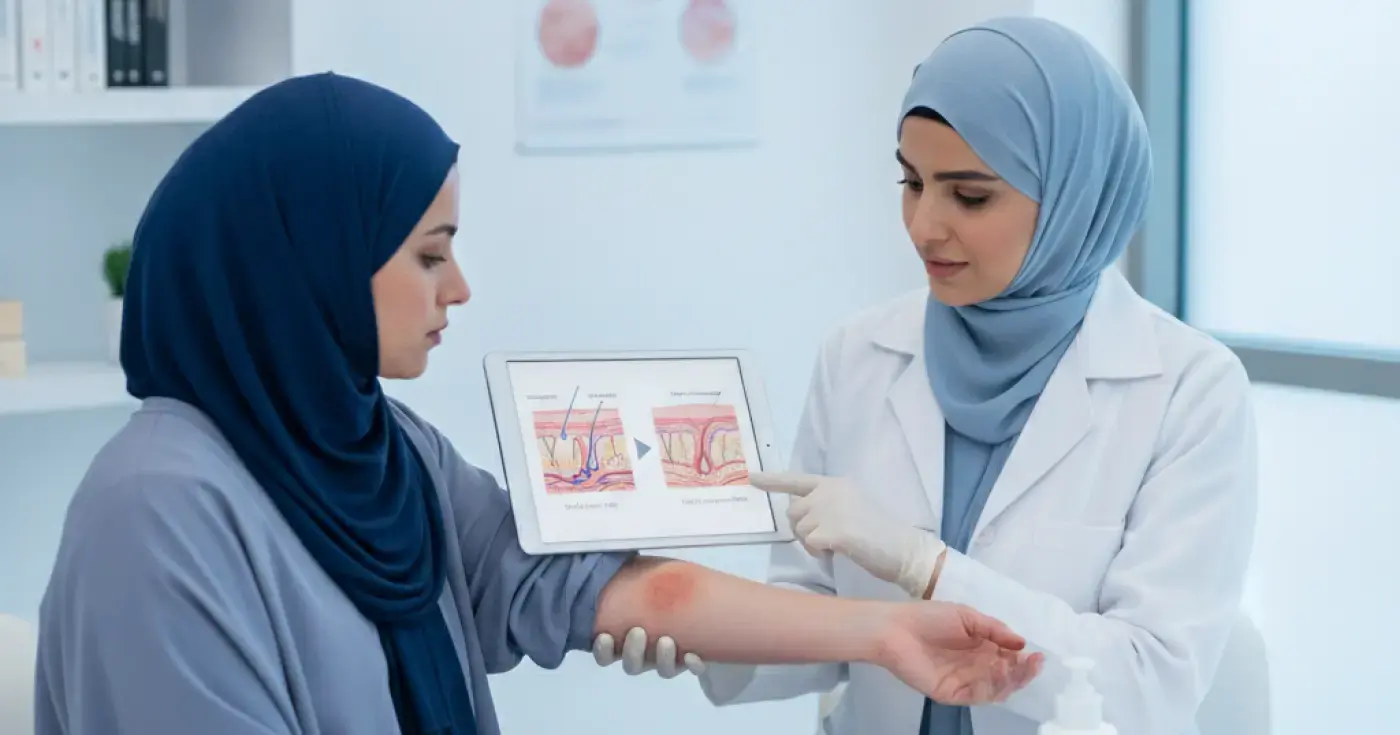
Diagnosis is primarily clinical, based on a thorough physical examination and medical history. There is no specific blood test to diagnose eczema. However, a dermatologist may recommend a allergy test (such as patch testing) to identify potential contact allergens that might be exacerbating the condition. The specialist will then tailor a treatment plan based on the severity of the symptoms and the patient's age.
Treatment and Management Strategies
While there is currently no permanent cure for eczema, modern therapeutic options are highly effective in controlling symptoms and preventing flare-ups:
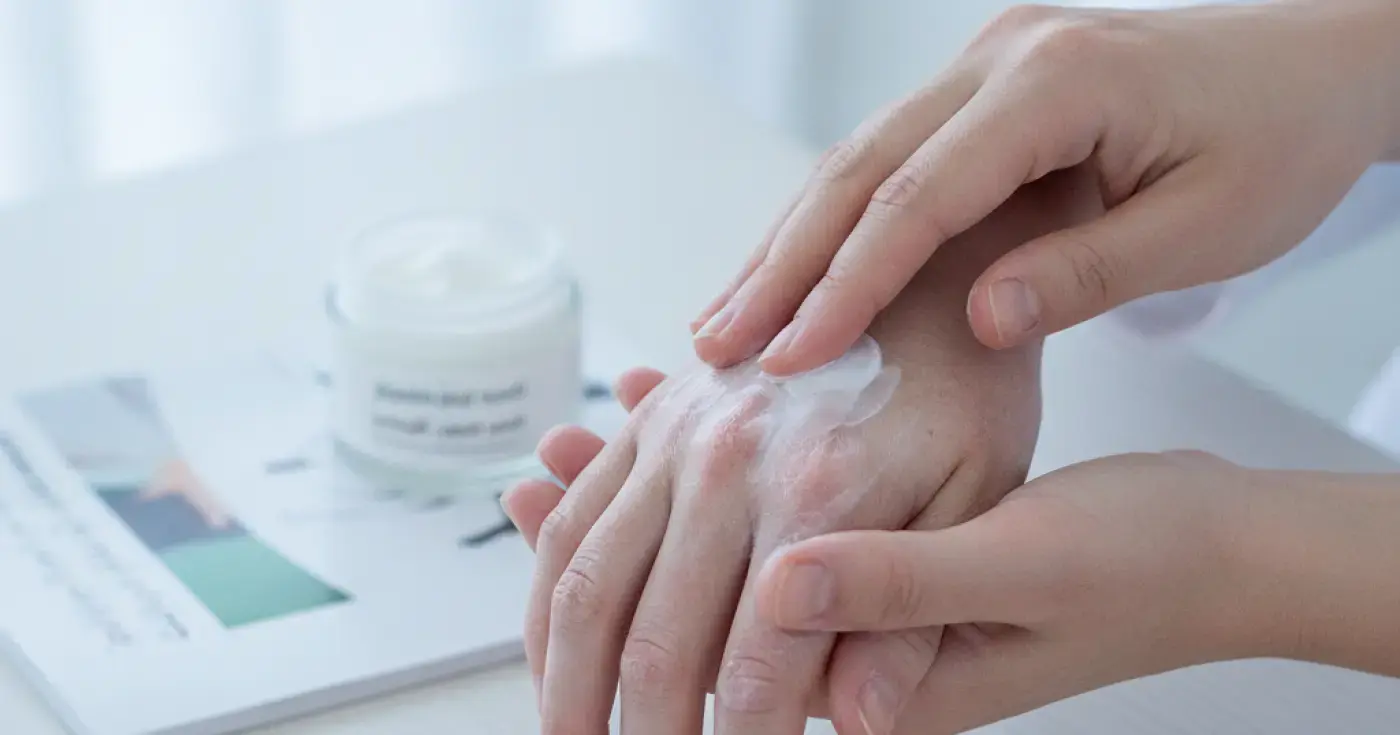
- Consistent Moisturization: Applying fragrance-free, thick moisturizers or ointments immediately after bathing is the cornerstone of daily care to restore the skin barrier.
- Topical Treatments: Topical corticosteroids are commonly prescribed to reduce inflammation and itching during active flares. Non-steroidal topical calcineurin inhibitors may be used as safe alternatives for sensitive areas like the face.
- Oral Antihistamines: These can help alleviate severe itching, particularly at night, to promote better sleep.
- Antibiotics: Prescribed only if a secondary bacterial infection develops due to scratching.
- Advanced Therapies: For moderate-to-severe cases unresponsive to standard treatments, systemic medications or biologic therapies may be recommended under strict medical supervision.
Comparison Table: Eczema vs. Contagious Skin Infections
The table below highlights the key differences between eczema and common contagious skin conditions to help you distinguish between them:
| Feature | Eczema (Atopic Dermatitis) | Contagious Skin Infections (e.g., Impetigo, Scabies) |
|---|
| Contagious? | No, absolutely non-contagious. | Yes, highly contagious via direct contact or shared items. |
| Primary Cause | Genetic skin barrier defect and immune overactivity. | Bacteria, viruses, or parasites (e.g., scabies mites). |
| Key Symptoms | Intense itching, dry, red, and scaly skin patches. | Fluid-filled blisters, honey-colored crusts, or intense nocturnal itching affecting multiple household members. |
| Primary Treatment | Moisturizers, topical steroids, avoiding triggers. | Topical or oral antibiotics, antiparasitic medications. |
Daily Tips for Living with Eczema and Avoiding Triggers
Adopting a proper sensitive skin care routine can dramatically reduce the frequency and severity of eczema flare-ups:
- Take short, lukewarm baths or showers instead of hot ones, which strip the skin of its natural oils.
- Use mild, fragrance-free, soap-free cleansers.
- Apply a generous layer of moisturizer within three minutes of bathing to lock in hydration.
- Wear soft, breathable cotton clothing and avoid synthetic or wool fabrics that cause friction.
- Use a humidifier to maintain indoor moisture levels, especially in dry regions.
- Keep fingernails short and clean to minimize skin damage and prevent secondary infections from scratching.
When to See a Dermatologist
Eczema requires professional medical guidance to ensure safe and effective management. You should schedule a dermatologist consultation if:
- Your symptoms are severe enough to disrupt your sleep or daily activities.
- You notice signs of a secondary infection, such as pus, yellow crusts, increased pain, or localized warmth.
- Your skin does not improve despite consistent moisturization and adherence to prescribed treatments.
- The skin irritation is accompanied by a fever.