
Lahalak Medical PlatformDifferentiate Care
Learn about hand eczema causes, symptoms, and the best medical and home care strategies to manage and prevent flare-ups effectively.
Advertisement
Hand eczema is a highly common and distressing inflammatory skin condition that is non-contagious but significantly impacts daily life. Because our hands are constantly exposed to environmental factors, chemicals, and frequent washing, they are particularly vulnerable to barrier damage. This condition manifests as severe dryness, itching, and irritation, requiring a structured management plan under professional dermatological guidance.
Hand eczema presents in several clinical forms depending on the underlying cause and trigger factors:
This is the most common type, caused by direct and repeated exposure to physical or chemical irritants such as harsh soaps, detergents, solvents, and alcohol-based sanitizers. These substances strip the skin of its natural protective oils, leading to inflammation.
This type results from an immune-mediated allergic reaction to specific substances contacting the skin, such as fragrances, preservatives in cosmetics, or metals like nickel.
Characterized by the sudden appearance of small, intensely itchy blisters on the palms, sides of the fingers, and sometimes the soles of the feet. It is frequently triggered by stress or prolonged exposure to moisture.
The development of hand eczema involves a complex interplay between genetic predisposition and environmental triggers. Key risk factors include:
Symptoms can range from mild dryness to severe, debilitating inflammation, and typically include:
An accurate diagnosis is essential for effective treatment. A dermatologist will perform a clinical examination of your hands and review your medical history and occupational exposures. If an allergic reaction is suspected, a patch test may be recommended to identify specific allergens.
The primary goals of treatment are to reduce inflammation, relieve itching, and restore the skin's natural protective barrier. Treatment strategies include:
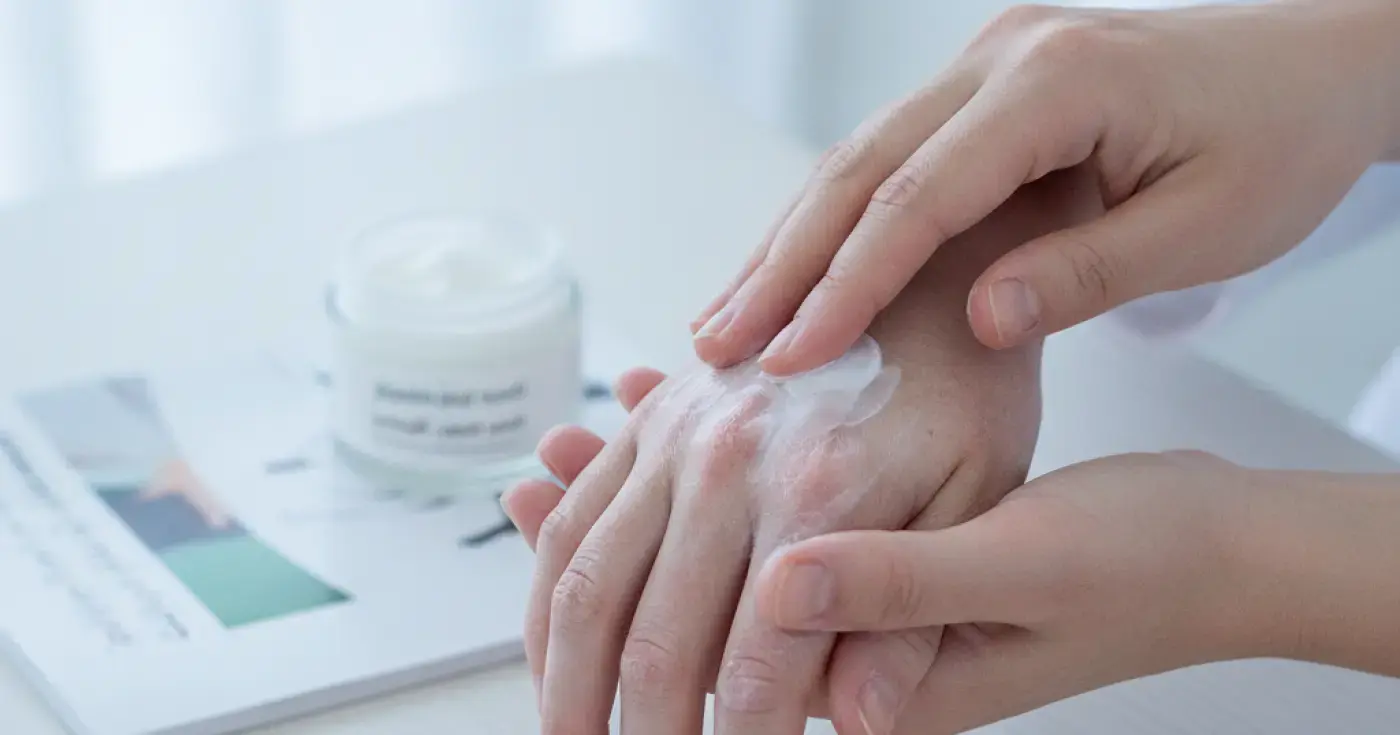
Frequent application of thick, fragrance-free emollient ointments or creams is the cornerstone of management. For active inflammation, dermatologists prescribe topical corticosteroids for short-term use, or topical calcineurin inhibitors as non-steroidal alternatives.
For severe or treatment-resistant cases, advanced options such as phototherapy (light therapy) or systemic immunomodulatory medications may be prescribed to control the underlying inflammation.
| Eczema Type | Primary Cause | Key Symptoms | Primary Management |
|---|---|---|---|
| Irritant Contact | Chemicals & detergents | Dryness, scaling, redness | Avoid irritants & intensive moisturizing |
| Allergic Contact | Immune reaction to allergen | Intense itching, localized rash | Patch testing & allergen avoidance |
| Dyshidrotic | Stress, moisture, sweating | Tiny, deep-seated blisters | Topical treatments & stress management |
Implementing consistent protective habits is vital to prevent flare-ups and maintain healthy skin. Key recommendations include:
It is highly recommended to seek a dermatologist consultation if your symptoms do not improve with regular moisturizing, or if you notice signs of secondary bacterial infection, such as pus, increased pain, swelling, or fever. Early medical intervention helps prevent complications and ensures a tailored treatment plan.
Clear, direct answers
Advertisement
Continue exploring

A comprehensive medical guide to pediatric eczema (atopic dermatitis). Learn about symptoms, triggers, and daily skin care routines to manage your child's skin.
Read article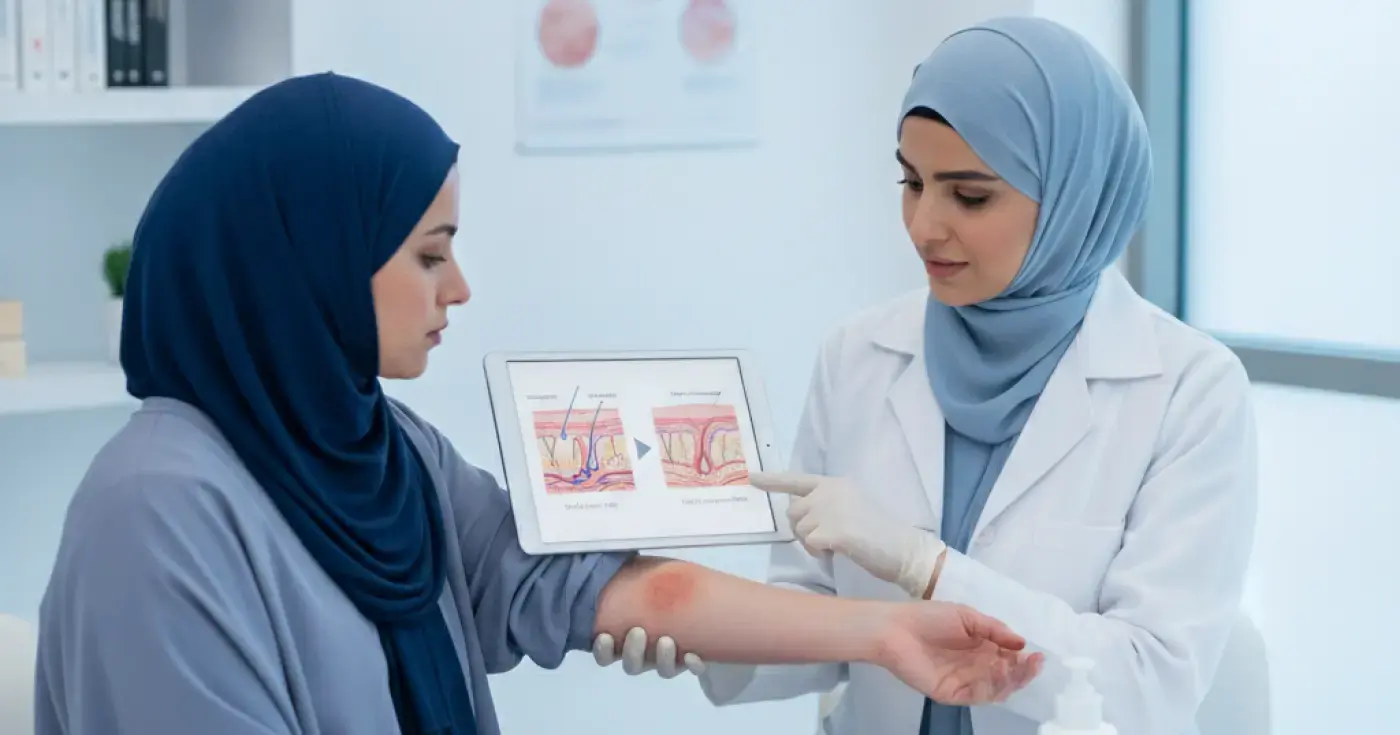
A comprehensive medical guide on atopic eczema, exploring its causes, triggers, clinical treatments, and daily skin care routines for effective management.
Read article
A comprehensive clinical guide on the different types of eczema, their unique symptoms, diagnostic methods, and evidence-based treatment options.
Read article