
Lahalak Medical PlatformDifferentiate Care
A comprehensive medical guide to pediatric eczema (atopic dermatitis). Learn about symptoms, triggers, and daily skin care routines to manage your child's skin.

Advertisement
Pediatric eczema, clinically known as atopic dermatitis, is one of the most common chronic skin conditions affecting infants and young children. Characterized by intensely dry, red, and itchy patches of skin, it can significantly impact a child's quality of life, sleep, and daily activities. Eczema typically appears during the first few months of life and requires a structured management plan that focuses on understanding the condition and maintaining a strict daily skin care routine to repair the compromised skin barrier.
Eczema symptoms and their distribution on the body often change as a child grows. Understanding these age-specific patterns helps in proper identification:
In infants, eczema commonly appears on the cheeks, forehead, scalp, and the outer surfaces of the arms and legs. The skin typically looks extremely dry, scaly, and may develop tiny bumps that leak fluid when scratched.
In older children, the rash tends to localize in the skin folds, such as the creases of the elbows, behind the knees, on the wrists, ankles, and neck. Over time, chronic scratching can cause the skin in these areas to become thick, leathery, and hyperpigmented, a process known as lichenification.
While the exact cause of eczema is linked to genetic factors that impair the skin's barrier function, environmental factors and triggers play a major role in causing flare-ups. Common triggers include:
Diagnosing pediatric eczema relies primarily on a detailed clinical examination by a specialist. The doctor will evaluate the appearance of the rash and take a comprehensive family history of allergic conditions like asthma or hay fever. In some cases, further evaluations may be recommended to rule out other dermatological conditions. Parents are highly encouraged to seek a professional dermatology consultation to obtain an accurate diagnosis and a tailored treatment plan.
A consistent daily skin care routine is the cornerstone of managing eczema and preventing painful flare-ups. Follow these clinically recommended steps:
Limit baths to 5–10 minutes using lukewarm water. Hot water strips the skin of its natural essential oils. Use gentle, fragrance-free, soap-free cleansers, and avoid scrubbing the child's skin with washcloths or loofahs.
After bathing, gently pat the child's skin dry with a soft cotton towel, leaving it slightly damp. Apply a generous layer of a medical-grade moisturizer within 3 minutes to lock in the moisture. Reapply the moisturizer at least two to three times throughout the day.
Dress your child in loose-fitting, 100% cotton clothing. Avoid synthetic fabrics and wool. Wash all new clothes before wearing using a hypoallergenic, fragrance-free laundry detergent.
| Moisturizer Type | Characteristics & Composition | Best Use Case | Moisture Retention Level |
|---|---|---|---|
| Ointments | Thick, oil-based, contains little to no water | Extremely dry, cracked skin; ideal for nighttime | Very High (Excellent) |
| Creams | Balanced blend of oil and water; easily absorbed | Frequent daytime application | Moderate to High |
| Lotions | Thin, water-based formula; evaporates quickly | Not recommended for eczema management | Low |
Selecting the appropriate emollient and applying it consistently is vital for skin barrier repair. Incorporating specialized sensitive skin care practices can significantly reduce the severity of symptoms and protect your child's skin from secondary infections.
When daily moisturizing is not enough to control a flare-up, a pediatrician or dermatologist may prescribe medical treatments, which include:
Parents should monitor their child's skin closely and seek immediate medical attention if they notice any of the following signs:
Clear, direct answers
Advertisement
Continue exploring
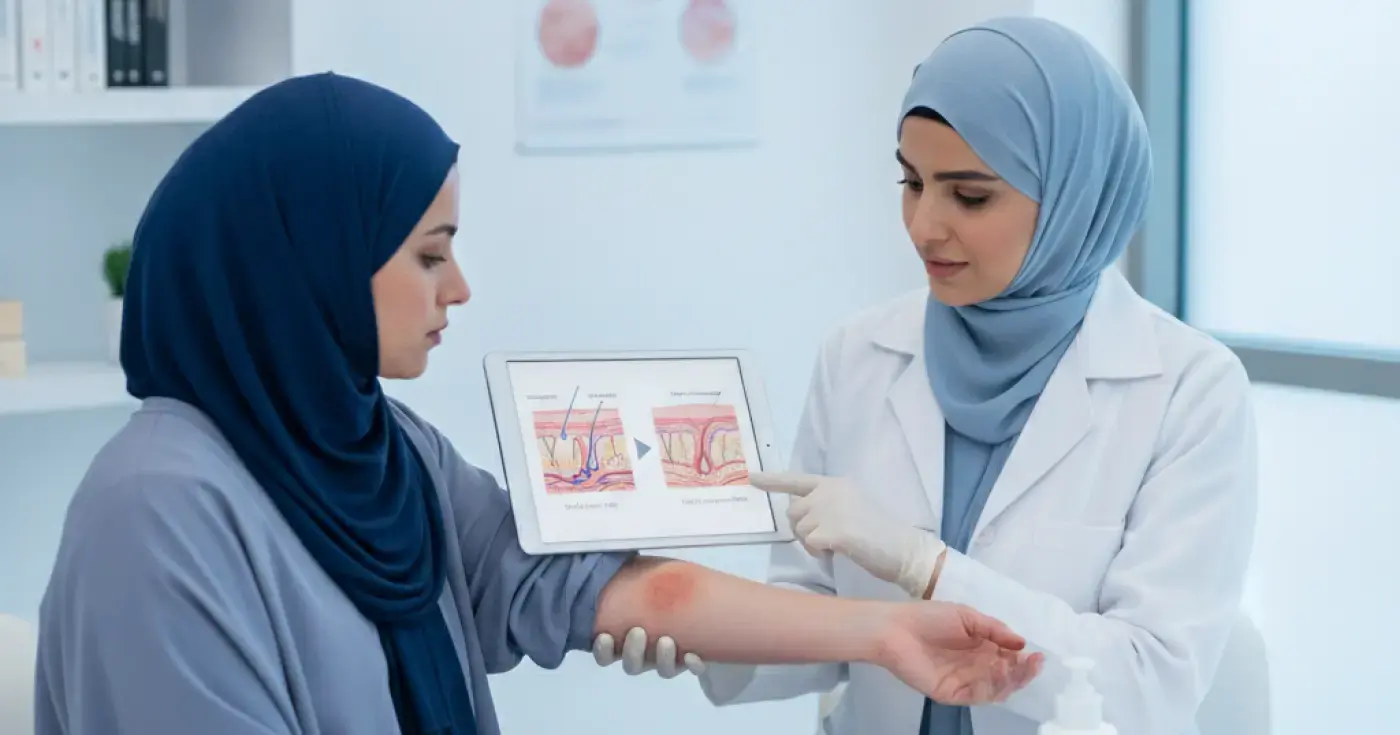
A comprehensive medical guide on atopic eczema, exploring its causes, triggers, clinical treatments, and daily skin care routines for effective management.
Read article
A comprehensive clinical guide on the different types of eczema, their unique symptoms, diagnostic methods, and evidence-based treatment options.
Read article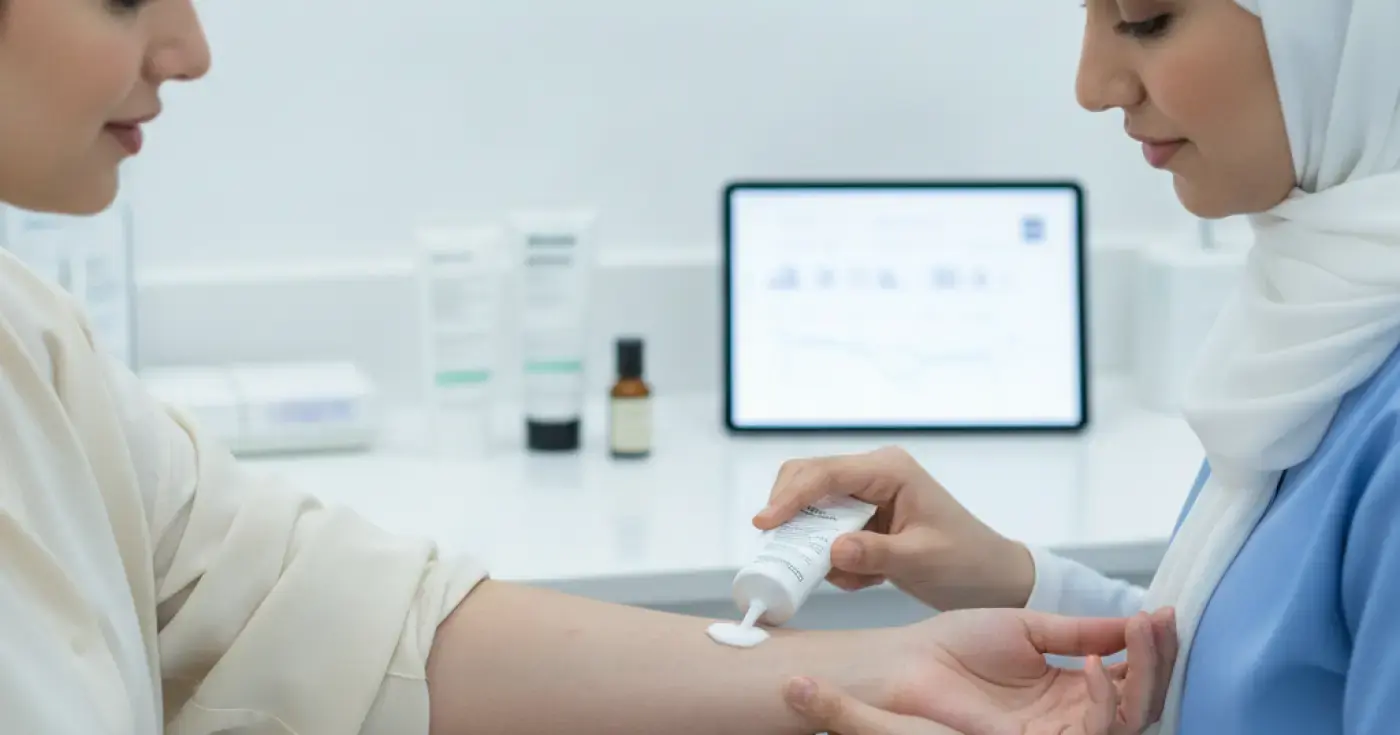
A complete medical guide on eczema (atopic dermatitis). Learn about causes, symptoms, diagnosis, and the latest medical and home treatments.
Read article