
Lahalak Medical PlatformDifferentiate Care
Learn why a medical consultation is essential before a hair transplant. Discover the role of tests, choosing techniques, and designing a natural hairline.

Advertisement
Many people believe that a hair transplant is a simple cosmetic procedure that begins and ends on the day of surgery. However, medical reality confirms that the success of this procedure relies heavily on the planning and preparation phase, which starts with the very first medical consultation. A hair transplant is a precise surgical procedure that requires a comprehensive evaluation of the patient's general health and scalp condition to ensure natural, sustainable results and avoid complications.
A medical consultation is a clinical evaluation session between the patient and a specialist in plastic surgery or dermatology. During this session, the scalp is thoroughly examined, the patient's medical history is discussed, and goals and expectations are established. This step aims to answer a fundamental question: Is the patient a suitable candidate for a hair transplant, or are there other medical treatments more appropriate for their condition?
Hair loss is not always caused by androgenetic alopecia (pattern baldness). There are multiple causes of hair loss, including thyroid disorders, vitamin and mineral deficiencies, severe psychological stress, or autoimmune diseases like alopecia areata. Through consultation, the doctor can diagnose the underlying cause. If the cause is non-genetic, medical therapy may be the optimal solution without the need for surgery. Performing a transplant during active autoimmune hair loss can lead to complete failure and loss of the grafted hair.
Hair transplantation relies on transferring hair follicles from the donor area (usually the back and sides of the head) to the balding areas. During the consultation, the doctor uses a migiass darajat al-salaa (baldness scale) and specialized trichoscopy devices to evaluate follicle density and quality in the donor area. If the donor area is weak or lacks density, the procedure may not yield the desired results, which must be clarified to the patient beforehand.
There are various techniques used in hair transplantation, such as Follicular Unit Extraction (FUE) and Direct Hair Implantation (DHI). No single technique fits everyone; the choice is made based on the area of baldness, hair type, scalp elasticity, and budget. The medical consultation is the right time to determine which technique guarantees the highest success rate and the shortest recovery period.
To ensure patient safety during and after surgery, the doctor will request a set of laboratory tests. These include comprehensive blood tests to rule out anemia or blood clotting disorders, as well as cumulative blood sugar (HbA1c), liver and kidney function tests, and viral screenings. These results help the medical team take necessary precautions during local anesthesia and surgery.
| Aspect | Procedure with Detailed Consultation | Unplanned / Random Procedure |
|---|---|---|
| Diagnosis of Hair Loss | Accurate; rules out medical and autoimmune causes | Inaccurate; risks transplanting into an unsuitable environment |
| Hairline Design | Natural; matches facial features and patient's age | Unnatural; may look artificial or poorly positioned |
| Donor Area Evaluation | Ensures no over-harvesting; preserves donor appearance | High risk of patchy donor area and permanent damage |
| Medical Preparation | Adjusts chronic medications to prevent bleeding | Increased risk of severe bleeding or drug interactions |
| Patient Expectations | Realistic; based on clear scientific data | Exaggerated; often leads to disappointment and dissatisfaction |
Disclosing a complete medical history is vital. Patients must inform the doctor of any chronic conditions, such as hypertension, heart disease, or diabetes. It is also crucial to review all current medications and supplements. For instance, blood thinners and non-steroidal anti-inflammatory drugs (NSAIDs) must be stopped prior to surgery under medical guidance to avoid bleeding risks. Additionally, managing conditions like hormonal hair loss medically before and after surgery is discussed to ensure long-term stability of the results.
One of the most critical aspects of the consultation is designing the frontal hairline. This requires an artistic eye and extensive medical experience, as the new hairline must harmonize with the face shape, age, and future progression of hair loss. The doctor helps the patient understand that the goal is to improve appearance and density naturally, rather than restoring a childhood hairline, which builds realistic expectations for the final results that can take up to a year to fully appear.
Like any surgical procedure, hair transplantation carries potential risks such as infection, swelling, minor bleeding, scarring, or temporary shock loss. A medical consultation minimizes these risks by assessing skin elasticity, establishing sterile protocols, prescribing preventive antibiotics or anti-inflammatories, and instructing the patient on proper post-operative wound care and hair washing techniques.
To get the most out of your medical consultation, patients are advised to: write down a list of questions and concerns, bring medical reports for any chronic conditions, avoid cutting or shaving hair before the appointment so the doctor can examine the natural hair loss pattern, and be completely honest about lifestyle habits like smoking, which can negatively affect blood flow and graft survival.
Deciding to undergo a hair transplant is a long-term investment in your appearance and self-confidence. A specialized medical consultation remains the true guarantee for protecting this investment and your health. By choosing a licensed, experienced physician and committing to a detailed consultation, you ensure that your journey toward restoring your hair is safe, successful, and free from unrealistic promises.
Clear, direct answers
Advertisement
Continue exploring
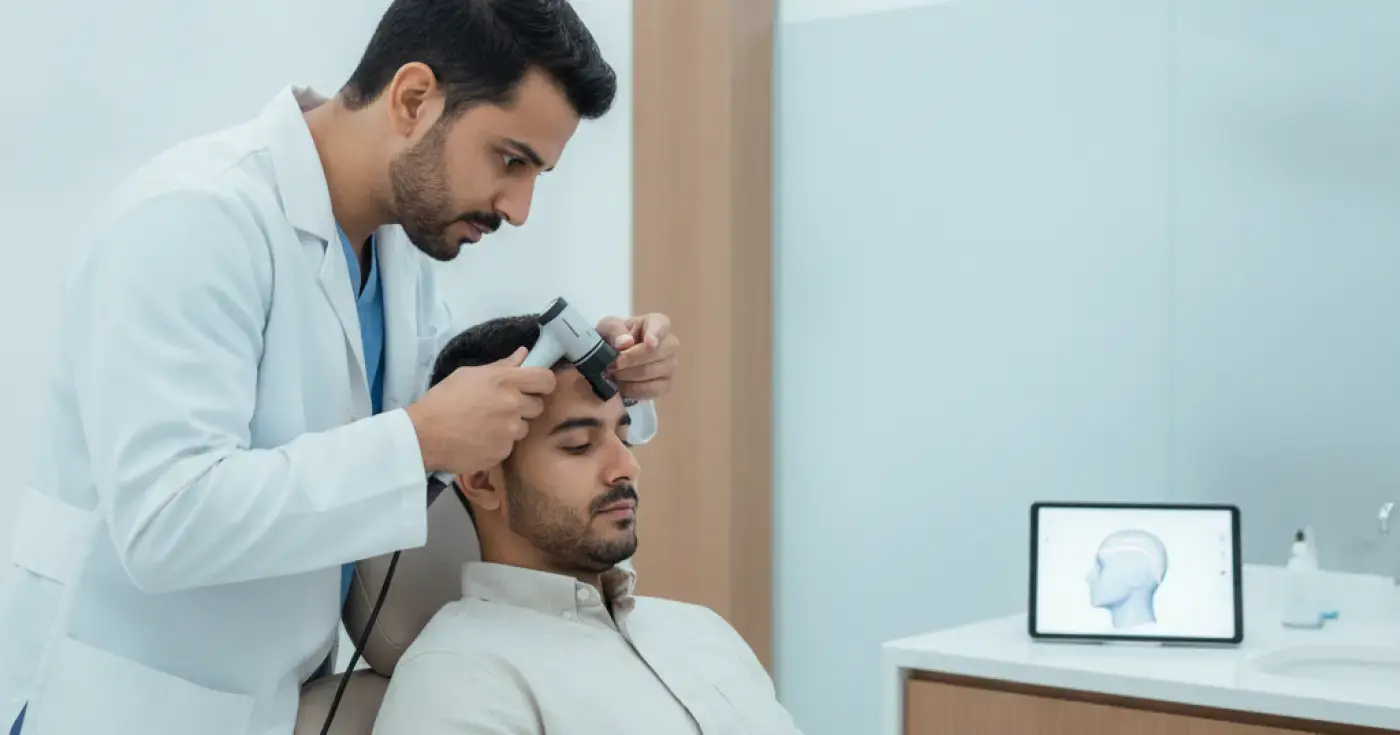
Learn what happens during your first hair transplant consultation, including scalp analysis, medical history review, technique selection, and planning.
Read article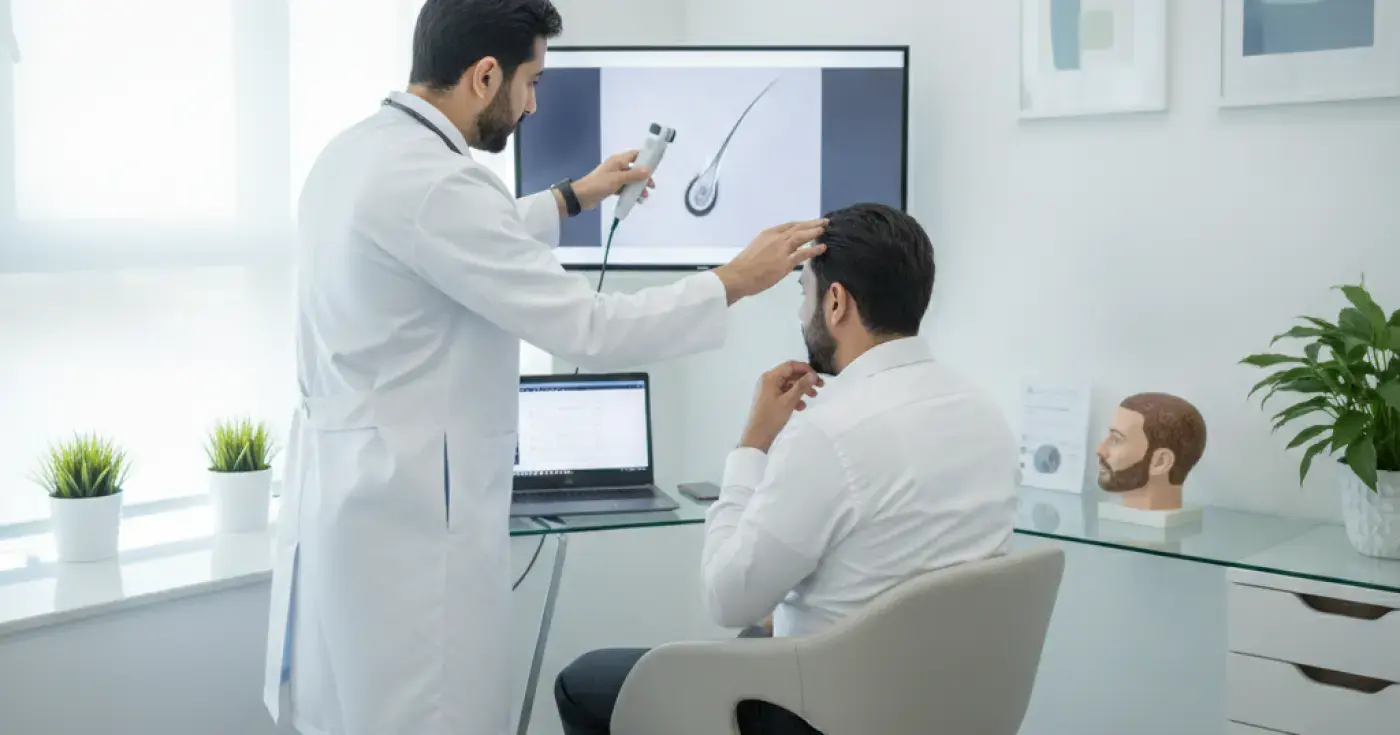
Learn what to expect during your hair transplant consultation, key questions to ask, pre-op tests, and how to choose the right technique.
Read article
Learn how microscopic hair analysis (trichoscopy) accurately diagnoses hair loss causes and guides dermatologists to select the best treatment.
Read articleExplore the topic