
Lahalak Medical PlatformDifferentiate Care
Learn how the immune system attacks hair follicles in alopecia areata, its causes, diagnostic methods, and the latest medical treatments.

Advertisement
Alopecia areata is a common and often distressing dermatological condition characterized by non-scarring hair loss. Classified as an autoimmune disorder, it occurs when the body's immune system mistakenly targets healthy hair follicles, causing hair to fall out in patches—most commonly on the scalp, beard, or eyebrows.
In this clinical guide, we will explore the immunological pathways behind this condition, identify its triggers, and review the diagnostic and therapeutic options aligned with modern dermatological practices.
Under normal physiological conditions, hair follicles enjoy a state known as "immune privilege." This protective barrier keeps the follicle hidden from the immune system's surveillance by suppressing the expression of major histocompatibility complex (MHC) class I molecules.
In alopecia areata, this protective mechanism breaks down through a multi-step autoimmune cascade:
Alopecia areata presents in several distinct clinical patterns depending on the extent of hair loss:
While the exact etiology remains complex, medical research points to a combination of genetic susceptibility and environmental triggers:
Genetics play a significant role, with 10% to 20% of affected individuals having a first-degree relative with the condition. Specific human leukocyte antigen (HLA) genes are strongly linked to an increased risk of developing alopecia areata.
Patients with alopecia areata have a higher prevalence of other autoimmune disorders, including Hashimoto's thyroiditis, vitiligo, type 1 diabetes, and atopic dermatitis. Consequently, a dermatologist may recommend a thyroid function test to screen for underlying thyroid dysfunction.
Severe emotional stress, physical trauma, major surgeries, or acute viral infections can act as triggers that precipitate the onset or flare-up of the disease in genetically predisposed individuals.
Diagnosing alopecia areata is primarily clinical, performed during a dermatology consultation using specialized tools:
Treatment strategies aim to suppress the localized autoimmune response and stimulate hair regrowth. The choice of therapy depends on the patient's age, the extent of hair loss, and disease activity.
| Treatment Type | Mechanism of Action | Target Patient Group | Potential Side Effects |
|---|---|---|---|
| Corticosteroids (Topical or Intralesional) | Reduces local inflammation and suppresses T-cell activity around the follicle | Limited patchy alopecia (monthly injections or daily topical) | Temporary skin atrophy at the injection site, telangiectasia |
| JAK Inhibitors (Systemic or Topical) | Modern targeted therapy that blocks the JAK-STAT inflammatory pathway | Severe cases, including alopecia totalis and universalis | Alterations in laboratory parameters, mild increase in viral infection risk |
| Topical Immunotherapy (e.g., DPCP) | Induces a mild allergic contact dermatitis to divert immune cells away from the follicle | Chronic, extensive, or resistant cases | Severe itching, scaling, temporary localized lymphadenopathy |
| Topical Minoxidil | Stimulates blood flow and prolongs the anagen phase (adjunctive therapy) | Used as an adjuvant for various degrees of hair loss | Mild scalp irritation, occasional hypertrichosis (unwanted facial hair) |
Alopecia areata can have a profound psychological impact. It is crucial for patients to understand that the condition does not affect general physical health, and because the follicles remain intact, regrowth is always biologically possible even after years of inactivity.
Effective coping strategies include:
It is highly recommended to seek medical advice as soon as you notice sudden patchy hair loss. Early intervention can help manage the active phase of the disease, limit its spread, and allow your doctor to design a safe, personalized treatment plan.
Clear, direct answers
Advertisement
Continue exploring
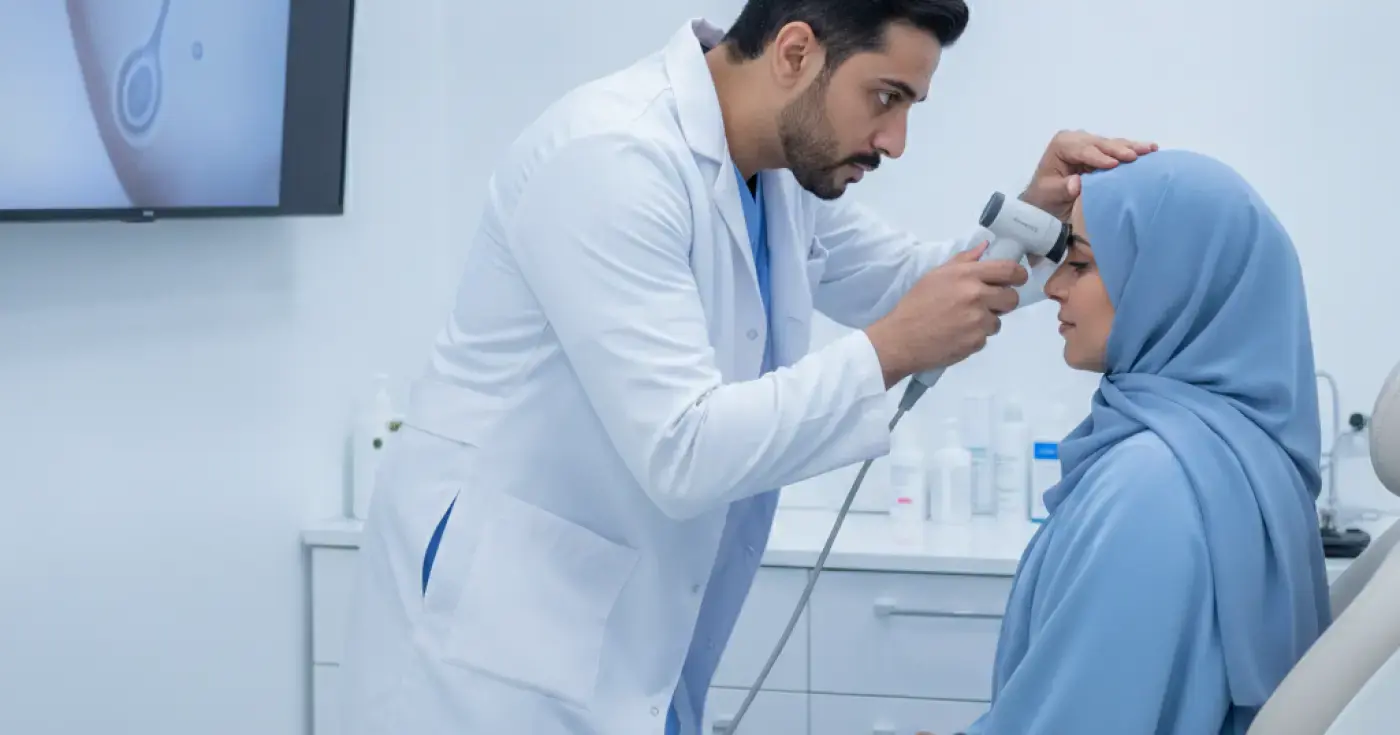
Explore the most effective medical treatments for alopecia areata, including JAK inhibitors and steroid injections, to safely stimulate hair regrowth.
Read article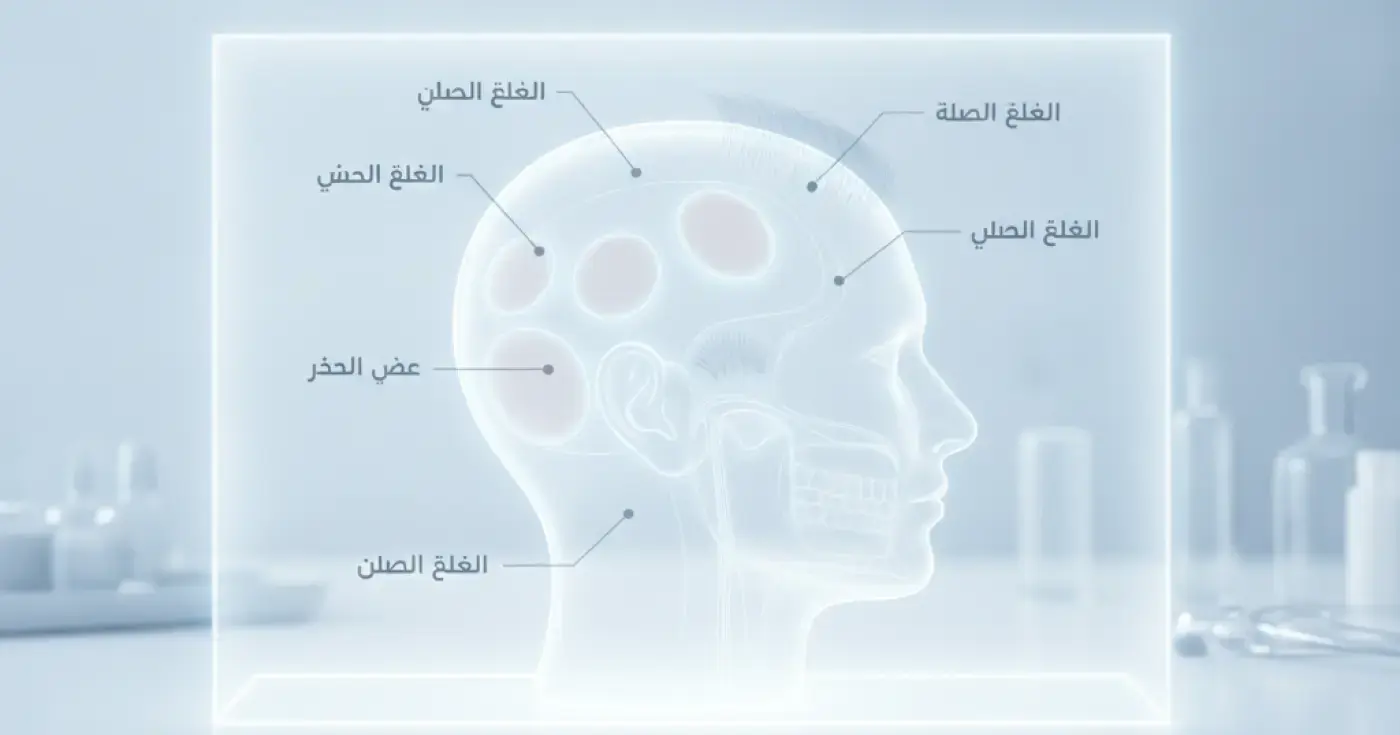
Learn about the different types of alopecia, including areata, androgenetic, and traction. Discover causes, symptoms, and modern treatments.
Read article
Discover how stress and anxiety trigger hair loss, the types of psychological alopecia (like telogen effluvium), and effective medical treatments.
Read article