
Lahalak Medical PlatformDifferentiate Care
Explore the most effective medical treatments for alopecia areata, including JAK inhibitors and steroid injections, to safely stimulate hair regrowth.
Advertisement
Alopecia areata is a common autoimmune disorder that causes sudden hair loss, typically presenting as round or oval patches on the scalp, beard, or other body areas. This condition occurs when the body's immune system mistakenly attacks healthy hair follicles, causing them to enter a dormant phase. Fortunately, because the follicles themselves are not permanently destroyed, the potential for complete hair regrowth remains viable with the right therapeutic approach.
The severity of alopecia varies significantly among individuals. It may range from a single self-limiting patch to complete scalp hair loss (alopecia totalis) or total body hair loss (alopecia universalis). While clinically non-contagious and harmless to general physical health, the psychological and emotional toll can be profound, making effective, evidence-based treatments essential for restoring confidence and quality of life.
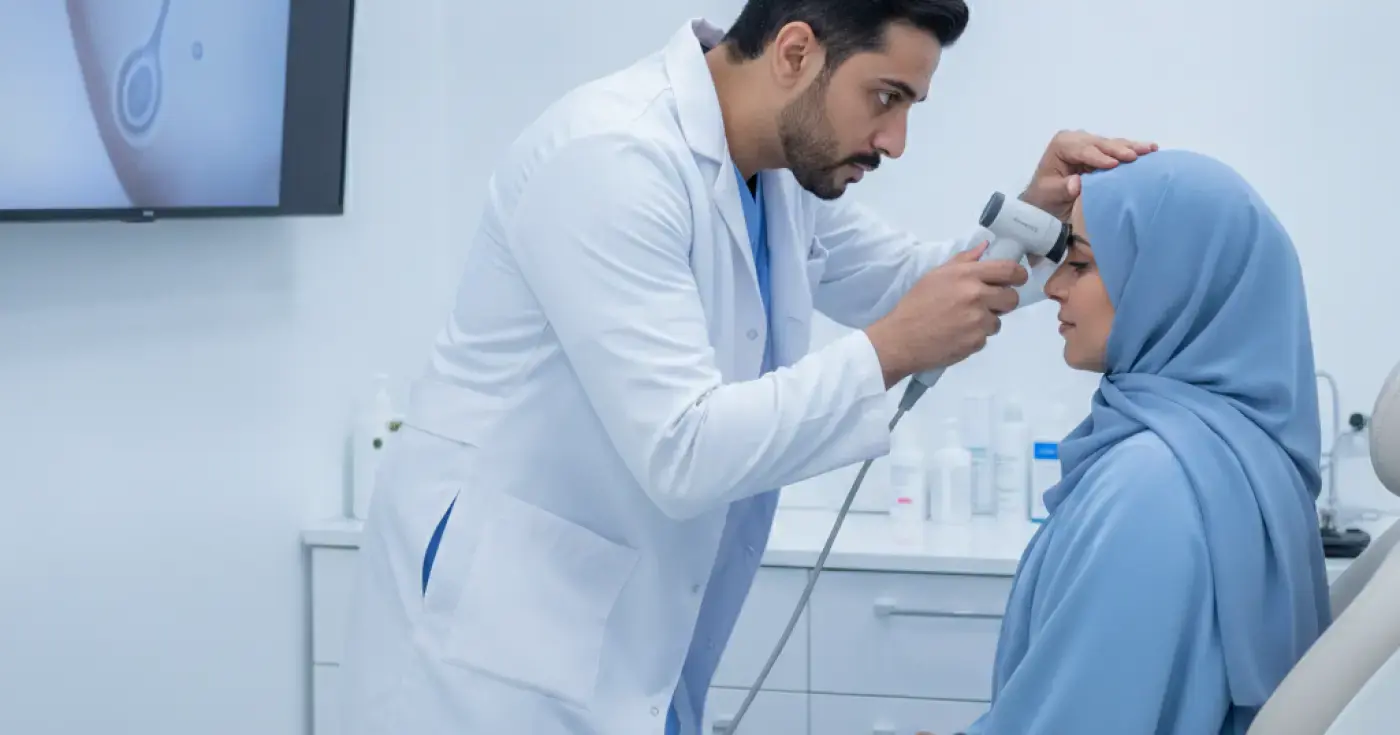
Before initiating any treatment protocol, a precise diagnosis by a qualified dermatologist is essential. Diagnosis is primarily clinical, utilizing dermoscopy to identify characteristic signs such as "exclamation mark" hairs, yellow dots, and black dots within the patches.
In some cases, the physician may recommend comprehensive blood tests to rule out other co-existing autoimmune conditions, such as thyroid disorders, or nutritional deficiencies like iron and vitamin D deficiency that could hinder hair recovery. Rarely, a small scalp biopsy may be performed to confirm the diagnosis and rule out other forms of scarring alopecia.
Treatment selection depends on several factors, including the patient's age, the extent of hair loss, and the duration of the condition. Therapies aim to suppress the localized immune attack and stimulate the follicles back into the active growth phase.
Corticosteroids are the first-line treatment for localized alopecia areata, working to reduce inflammation and suppress the localized immune response:
For extensive hair loss exceeding 50% of the scalp, topical immunotherapy is a highly effective option. It involves applying sensitizing chemicals (such as DPCP) to induce a mild, controlled allergic contact dermatitis. This localized reaction diverts the destructive immune cells away from the hair follicles, allowing them to recover and regrow hair.
Janus kinase (JAK) inhibitors represent a revolutionary advancement in treating severe, refractory alopecia areata. Available in oral and topical forms, these targeted therapies block specific cellular signaling pathways responsible for the autoimmune attack on hair follicles. Clinical trials have demonstrated remarkable efficacy in restoring hair growth in patients who previously failed conventional treatments.
Phototherapy (using UV light) or excimer laser therapy can be beneficial adjuvant options. These light-based treatments selectively suppress active T-cells in the scalp, reducing the autoimmune response and improving local microcirculation to support hair follicles.
| Treatment Type | Mechanism of Action | Target Patient Profile | Potential Side Effects |
|---|---|---|---|
| Corticosteroid Injections | Reduces local inflammation and immune activity | Localized, limited alopecia patches | Temporary skin thinning (atrophy), mild pain |
| Topical Immunotherapy | Redirects immune cells away from follicles | Severe, extensive alopecia areata | Redness, itching, temporary lymph node swelling |
| JAK Inhibitors | Blocks systemic inflammatory signaling pathways | Severe, totalis, or universalis alopecia | Lab value alterations, slightly increased infection risk |
| Topical Minoxidil | Enhances blood flow and stimulates follicles | Adjuvant therapy combined with other treatments | Mild scalp irritation, unwanted facial hair growth |
In addition to medical therapies, adopting supportive self-care practices is vital for maintaining scalp health. Patients are encouraged to follow gentle hair care guidance to protect fragile follicles:
Early intervention is key to managing alopecia areata effectively. Seeking a professional dermatology consultation at the first sign of sudden hair loss or patchy baldness allows for early diagnosis and prompt initiation of treatment, which significantly improves the likelihood of successful and rapid hair regrowth.
Patience is essential, as hair regrowth is a gradual physiological process. Typically, fine, colorless vellus hair may appear within 8 to 12 weeks of starting effective treatment. Over subsequent months, this hair gradually thickens and regains its natural pigmentation. Individual response times vary based on genetic factors and overall health status.
Clear, direct answers
Advertisement
Continue exploring

Discover how stress and anxiety trigger hair loss, the types of psychological alopecia (like telogen effluvium), and effective medical treatments.
Read article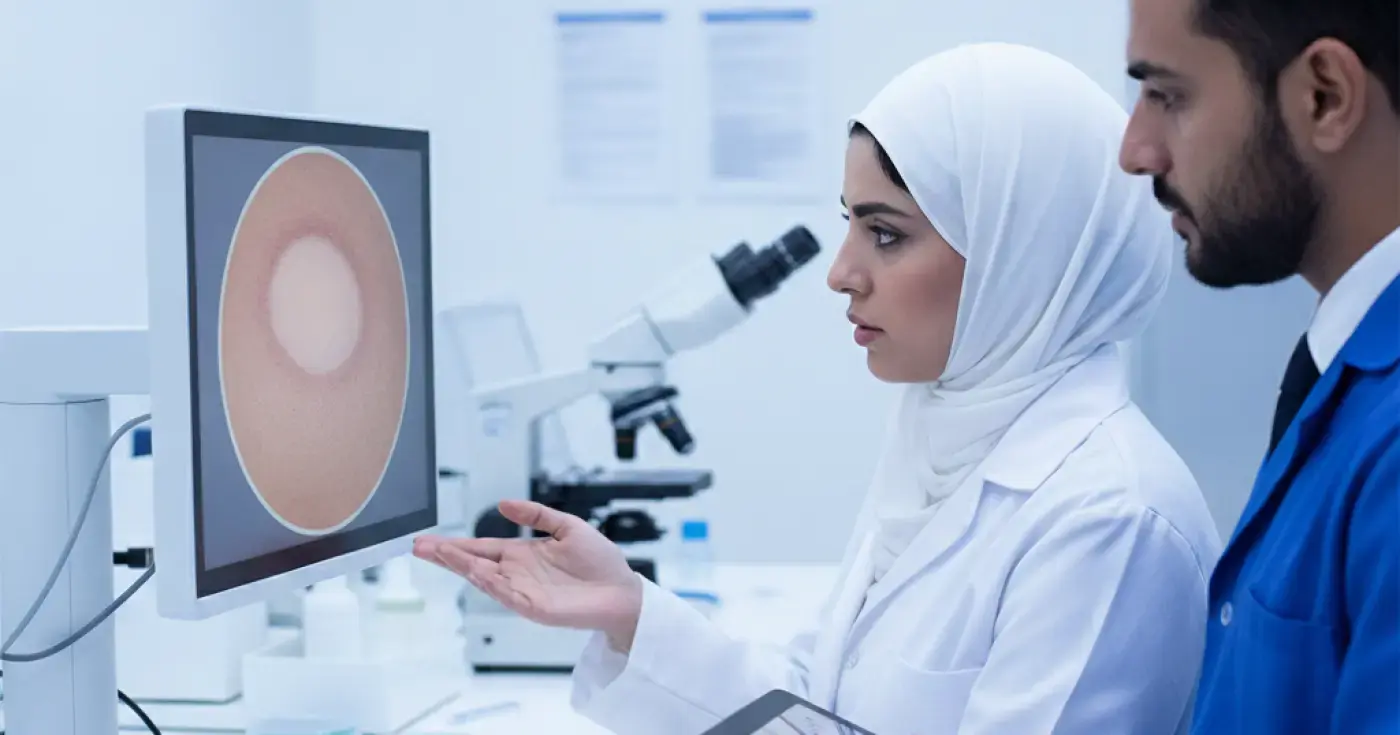
Learn about the scientific causes of sudden alopecia areata, autoimmune triggers, genetics, and the latest medical treatments approved in Saudi Arabia.
Read article
Learn about the different types of alopecia, including areata, androgenetic, and traction. Discover causes, symptoms, and modern treatments.
Read article