
Lahalak Medical PlatformDifferentiate Care
Learn about the different types of alopecia, including areata, androgenetic, and traction. Discover causes, symptoms, and modern treatments.
Advertisement
Hair is a vital component of personal identity and self-esteem. Clinically, alopecia is the medical term used to describe hair loss from the scalp or any part of the body. It is not a single disease but rather a broad category encompassing various conditions with distinct etiologies, clinical presentations, and prognoses. Understanding the differences between these types is crucial for establishing an effective management plan. A professional dermatologist consultation is always required to accurately diagnose the underlying cause and avoid inappropriate self-treatment.
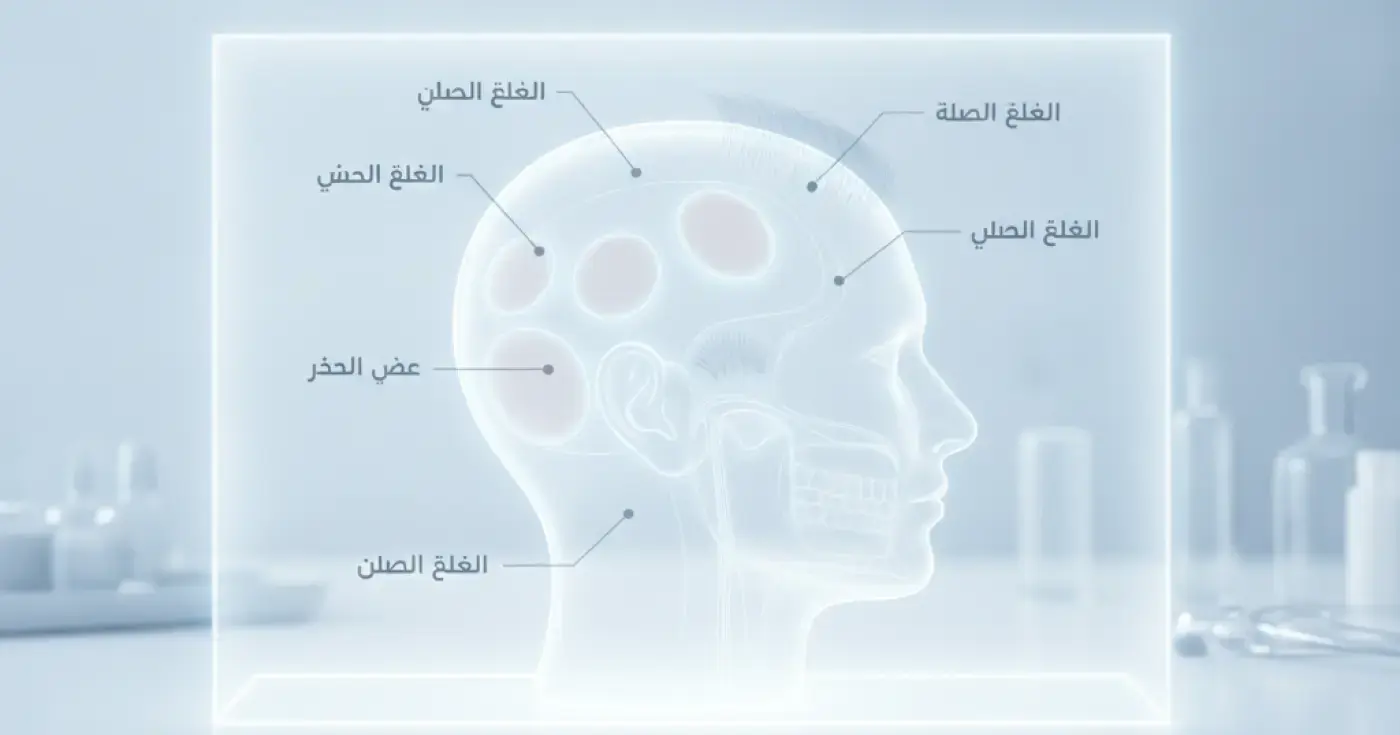
Alopecia areata is a common autoimmune disorder where the body's immune system mistakenly attacks hair follicles, causing them to enter a premature resting phase. It typically presents as sudden, well-demarcated, smooth, round or oval patches of hair loss on the scalp, beard, or eyebrows. In rare cases, it can progress to total loss of scalp hair (Alopecia Totalis) or complete loss of all body hair (Alopecia Universalis).
Commonly known as male or female pattern baldness, androgenetic alopecia is the most prevalent form of hair loss worldwide. It is driven by genetic predisposition and a sensitivity to androgenic hormones, specifically dihydrotestosterone (DHT). In men, it typically manifests as a receding hairline and thinning at the crown. In women, it presents as diffuse thinning across the top of the scalp while maintaining the frontal hairline.
This is a temporary form of hair loss characterized by diffuse shedding. It occurs when a significant physiological or psychological stressor (such as major surgery, severe illness, childbirth, or extreme nutritional deficiency) forces a large number of hair follicles prematurely into the telogen (resting) phase. Excessive shedding is usually noticed two to three months after the triggering event.
Traction alopecia is a mechanical form of hair loss caused by repetitive, prolonged tension on the hair follicles. This is commonly due to tight hairstyles such as ponytails, braids, or extensions. If the tension is maintained over long periods, it can cause localized inflammation and eventually destroy the hair follicles, leading to permanent hair loss along the hairline.
Cicatricial alopecia represents a group of rare inflammatory disorders that destroy hair follicles and replace them with scar tissue. Because the stem cells in the bulge of the hair follicle are permanently destroyed, hair cannot grow back in the affected areas. Early diagnosis and aggressive medical intervention are critical to arrest the inflammatory process and preserve remaining hair.
The following table outlines the key clinical differences between the most common types of alopecia:
| Type of Alopecia | Primary Cause | Pattern of Hair Loss | Reversibility | Common Treatment Approaches |
|---|---|---|---|---|
| Alopecia Areata | Autoimmune response | Smooth, round patches | Yes (in most cases) | Corticosteroids, JAK inhibitors |
| Androgenetic Alopecia | Genetics & Hormones (DHT) | Receding hairline / diffuse crown thinning | Requires ongoing maintenance | Minoxidil, Finasteride, Hair transplant |
| Telogen Effluvium | Physical/emotional stress, illness | Diffuse shedding across the scalp | Yes (after resolving the trigger) | Nutritional support, lifestyle adjustments |
| Traction Alopecia | Mechanical tension (tight styling) | Loss along the frontal/temporal hairline | Yes (if caught early before scarring) | Avoiding tight hairstyles, gentle hair care |
| Cicatricial Alopecia | Inflammatory destruction of follicles | Patchy loss with scarring and skin changes | No (scarred areas are permanent) | Anti-inflammatory drugs, treating underlying disease |
Self-diagnosis of hair loss is often inaccurate and can lead to delayed treatment. A dermatologist utilizes several diagnostic tools to identify the exact type of alopecia:
Therapeutic options for alopecia have advanced significantly, offering targeted solutions based on the specific diagnosis:
Standard medical therapies include topical Minoxidil to stimulate hair growth and topical or intralesional corticosteroids to suppress localized autoimmune activity in alopecia areata. For severe, refractory cases of alopecia areata, oral JAK inhibitors represent a major therapeutic breakthrough, helping to restore hair growth by modulating specific immune pathways.
For advanced androgenetic alopecia where medical therapies are insufficient, a surgical hair transplant offers a permanent solution by relocating healthy follicles to thinning areas. Platelet-Rich Plasma (PRP) therapy is also widely used as an adjunctive procedure to enhance follicle viability and density.
Adopting a healthy hair care routine can prevent mechanical damage and support overall hair health:
Clear, direct answers
Advertisement
Continue exploring

Discover how stress and anxiety trigger hair loss, the types of psychological alopecia (like telogen effluvium), and effective medical treatments.
Read article
Learn about the scientific causes of sudden alopecia areata, autoimmune triggers, genetics, and the latest medical treatments approved in Saudi Arabia.
Read article
Learn about Alopecia Areata, its autoimmune causes, symptoms, diagnosis, and the latest medical treatments available.
Read articleExplore the topic