
Lahalak Medical PlatformDifferentiate Care
Discover the clinical differences between facial and hair PRP therapy, including benefits, injection techniques, and recovery times.

Advertisement
In recent years, non-surgical aesthetic medicine has experienced remarkable growth, with Platelet-Rich Plasma (PRP) therapy emerging as one of the safest and most requested procedures worldwide. This innovative treatment harnesses the body's natural healing capabilities by extracting plasma from the patient's own blood and re-injecting it into targeted areas to stimulate cellular regeneration and tissue repair.
Although the autologous plasma used is identical in both cases, there are fundamental clinical differences between applying PRP to the face and injecting it into the scalp for hair restoration. These two modalities differ significantly in their therapeutic goals, injection depths, clinical protocols, and expected outcomes. This comprehensive medical guide clarifies the precise differences between facial and hair PRP based on established clinical insights.
The therapeutic efficacy of Platelet-Rich Plasma relies on concentrating platelets to a level 5 to 10 times higher than normal physiological blood levels. These platelets contain vital proteins and multiple growth factors, including Platelet-Derived Growth Factor (PDGF), Transforming Growth Factor-beta (TGF-beta), Vascular Endothelial Growth Factor (VEGF), and Epidermal Growth Factor (EGF).
When this concentrated plasma is injected into tissue, these growth factors release chemical signals that stimulate local stem cells to proliferate and differentiate. In facial applications, this process targets dermal fibroblasts to synthesize collagen and elastin. In scalp applications, it targets stem cells within the hair follicles to enhance microcirculation and prolong the anagen (growth) phase of the hair cycle.
Facial PRP is clinically recognized for its exceptional ability to rejuvenate and revitalize the skin. The plasma is injected into the superficial to mid-dermal layers of the skin to achieve the following clinical goals:
Facial PRP is frequently combined with microneedling (often referred to as a "Vampire Facial"), where micro-channels created in the skin facilitate deeper absorption of the plasma, multiplying the aesthetic outcomes.
Hair PRP directly targets hair loss and follicular miniaturization. The plasma is injected into the deep dermal layer of the scalp, where the hair follicle bulbs reside, to achieve the following therapeutic benefits:
The following table outlines the primary clinical and practical differences between the two treatments to help patients understand each procedure:
| Aspect of Comparison | Facial PRP (PRP for Face) | Hair PRP (PRP for Hair) |
|---|---|---|
| Primary Goal | Skin rejuvenation, collagen stimulation, scar and wrinkle reduction. | Follicular stimulation, hair loss reduction, and density enhancement. |
| Injection Depth | Superficial to mid-dermis (upper skin layers). | Deep dermis (at the level of the hair follicle bulbs). |
| Application Method | Direct micro-injections (mesotherapy) or combined with microneedling. | Direct, precise micro-injections into the scalp using ultra-fine needles. |
| Recommended Sessions | 3 to 4 sessions, spaced 4 weeks apart. | 4 to 6 sessions, spaced 3 to 4 weeks apart. |
| Recovery Period | 24 to 48 hours (mild redness or slight peeling may occur). | Virtually no downtime (patients can return to daily activities immediately). |
| Expected Results | Initial radiance within weeks, improving over months as collagen builds. | Reduced shedding in 2 months; increased density in 3 to 6 months. |
To ensure high-quality plasma extraction and minimize the risk of bruising or complications, patients should adhere to the following pre-PRP treatment guidelines:
The PRP procedure is performed in an outpatient clinical setting by a licensed dermatologist or aesthetic specialist. The session typically takes 45 to 60 minutes and involves the following steps:
The speed of recovery and the quality of the final results depend heavily on the patient's compliance with post-treatment instructions:
PRP therapy is exceptionally safe because the injected material is autologous (derived from the patient's own body), which completely eliminates the risk of allergic reactions or graft rejection. However, minor, temporary side effects may occur, including:
PRP therapy is not recommended for individuals with the following medical conditions:
Determining whether facial or hair PRP is the right treatment for your specific aesthetic or medical concerns requires a thorough clinical evaluation by a board-certified dermatologist. A professional consultation ensures that any underlying hormonal or systemic causes of hair loss or skin issues are properly diagnosed and addressed, allowing for a customized treatment plan that delivers safe, optimal, and scientifically-backed results.
Clear, direct answers
Advertisement
Continue exploring
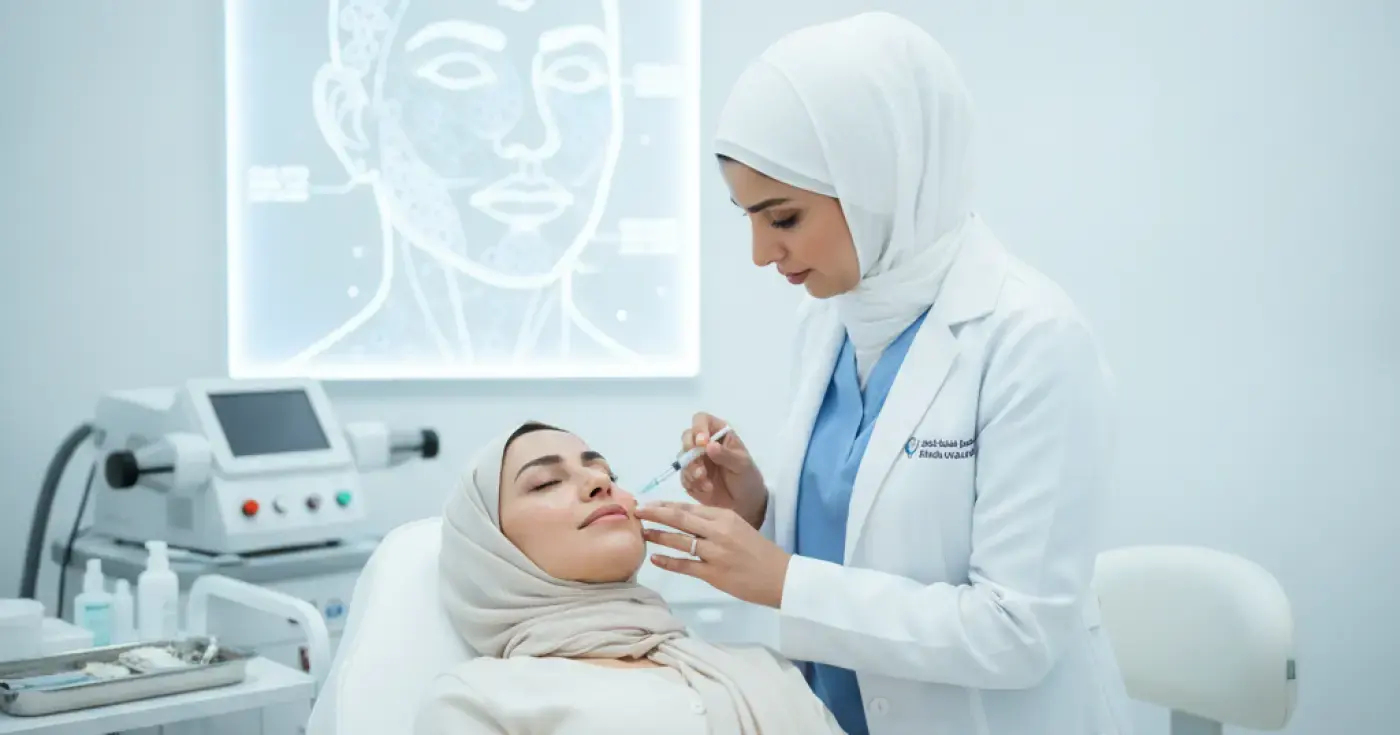
Discover when PRP facial results appear, how long they last, the recommended session timeline, and clinical tips for maximizing your skin rejuvenation.
Read article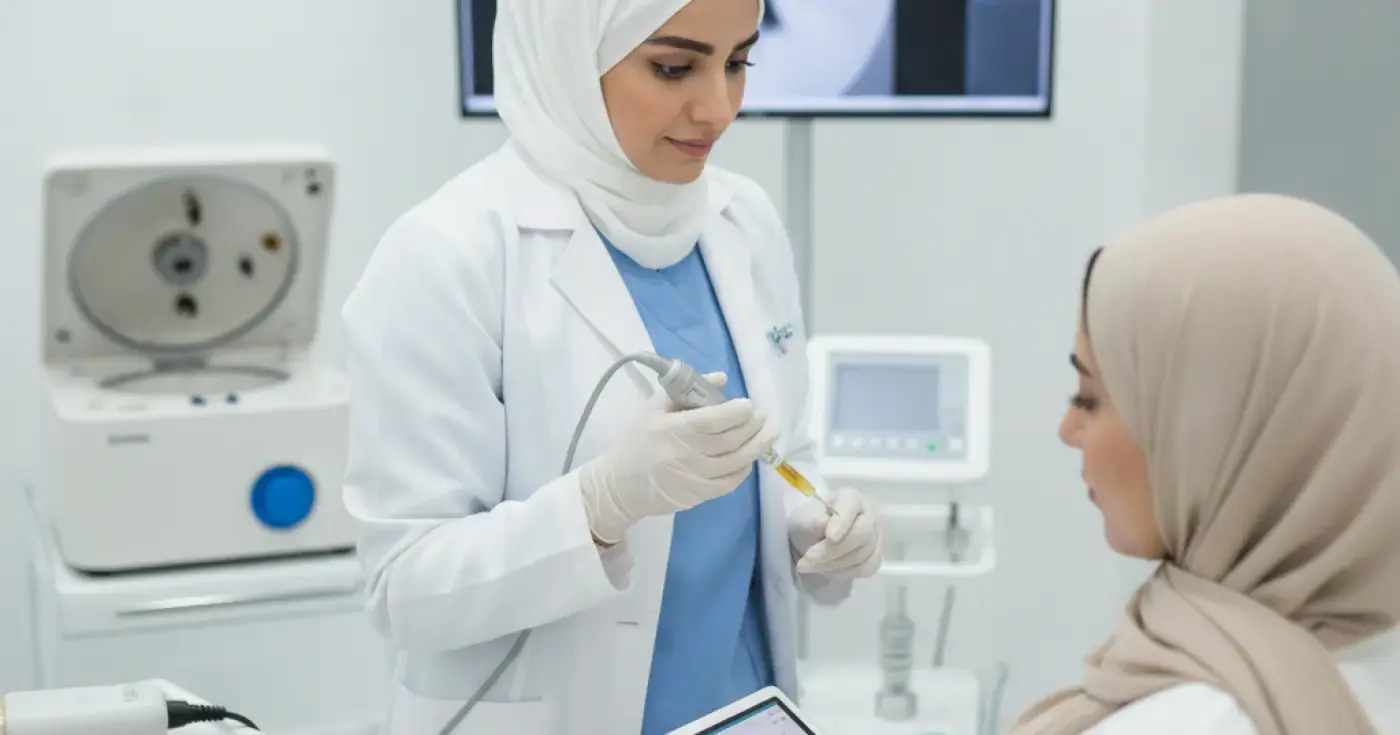
Discover the timeline for PRP hair treatment results, how many sessions you need, and expert tips to maximize hair growth and density.
Read article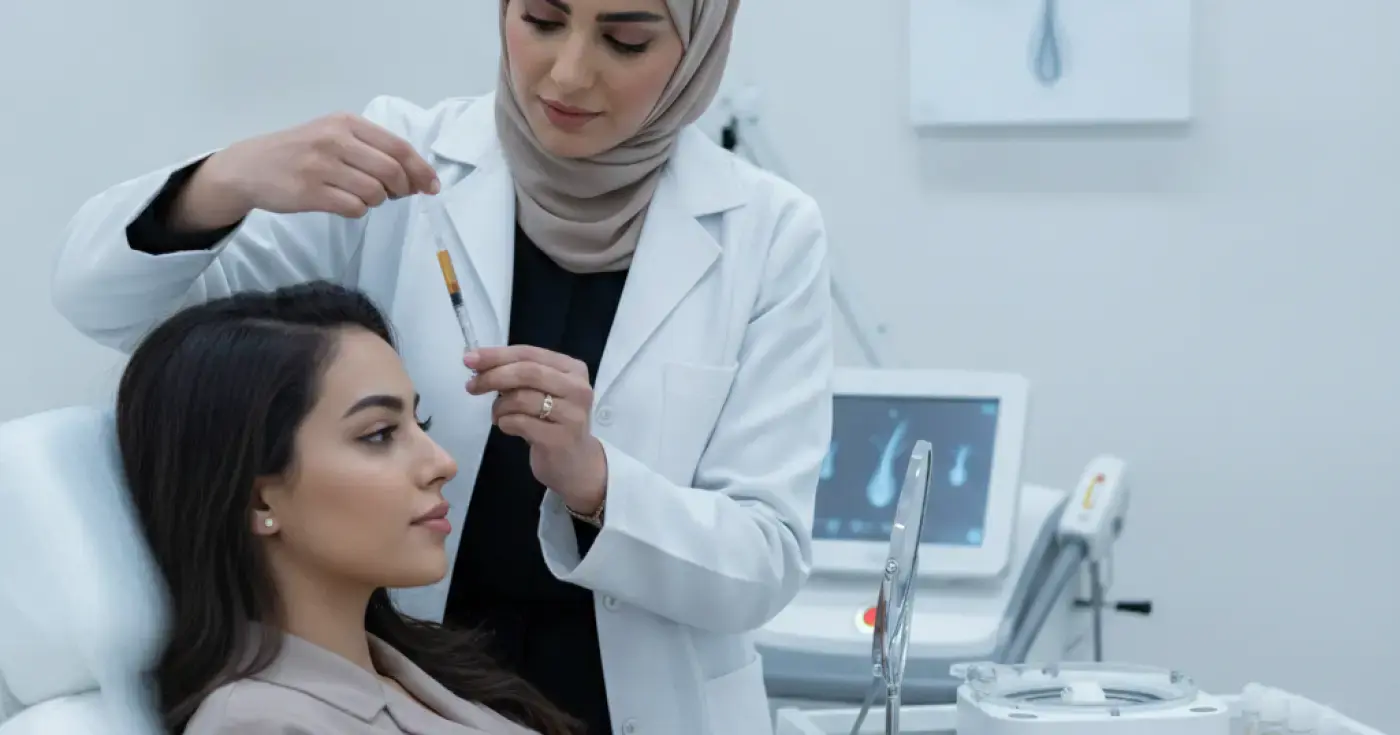
Learn about the standard number of PRP sessions required for hair restoration, the clinical timeline, and what to expect from the treatment.
Read article