
Lahalak Medical PlatformDifferentiate Care
Discover how Platelet-Rich Plasma (PRP) injections stimulate collagen and rejuvenate skin cells. Learn about the benefits, steps, and expected results.
Advertisement
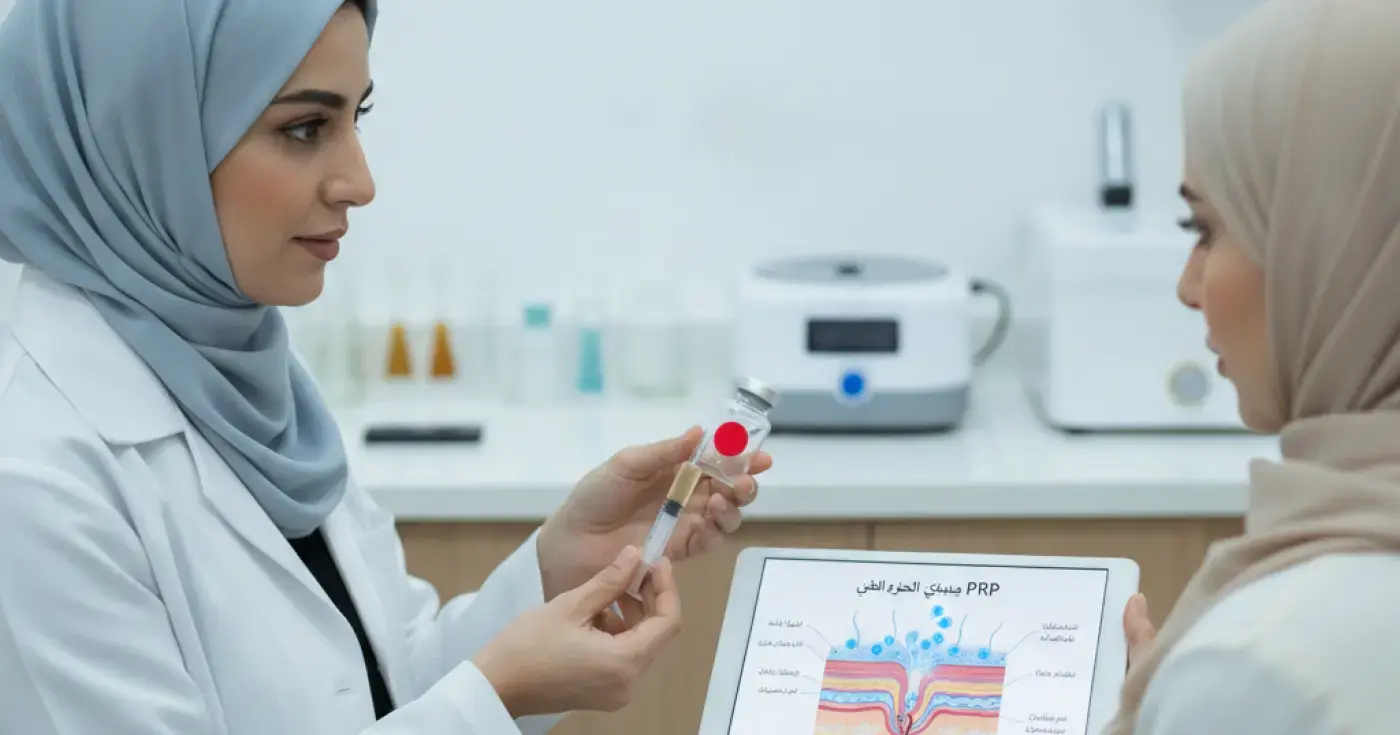
Platelet-Rich Plasma (PRP) therapy has emerged as one of the most prominent modern aesthetic and therapeutic techniques that rely on the body's natural ability to heal and regenerate. Prepared by drawing a small sample of the patient's own blood and processing it in a centrifuge, PRP isolates and concentrates platelets from other blood components. This highly concentrated plasma is rich in proteins and growth factors that play a pivotal role in tissue regeneration and cellular repair.
In recent years, PRP facial injections have gained immense popularity in aesthetic clinics across Saudi Arabia. Because it utilizes autologous components from the patient's own body, it is considered an exceptionally safe procedure with virtually no risk of allergic reactions or immune rejection.
Collagen is the primary structural protein responsible for skin elasticity, strength, and a youthful, firm appearance. As we age, natural collagen production gradually declines, leading to wrinkles, fine lines, and mild skin laxity. This is where PRP acts as a powerful biological catalyst.
When PRP is injected into the target layers of the skin, platelets release a massive cascade of active growth factors. These factors send direct chemical signals to specialized skin cells called fibroblasts, which are the main factories for collagen and elastin synthesis. Once activated, fibroblasts begin producing new collagen fibers and rebuilding the skin's supportive extracellular matrix, naturally restoring vitality and firmness over time.
PRP therapy offers comprehensive benefits for skin health and appearance, including:
To understand how PRP stimulates collagen, it is essential to look at the key growth factors present in platelets and their specific roles:
PRP injections are performed in specialized medical clinics under the supervision of licensed dermatologists. The procedure involves the following steps:
The following table provides a simplified comparison between PRP and other common aesthetic procedures used to stimulate skin collagen:
| Feature | Platelet-Rich Plasma (PRP) | Fractional Laser | Microneedling |
|---|---|---|---|
| Mechanism | Injecting natural growth factors from the patient's blood | Using laser beams to create microscopic thermal zones | Creating mechanical micro-channels to trigger healing |
| Stimulation Source | 100% autologous and biological (growth factors) | Thermal and physical | Mechanical and physical |
| Downtime | Very short (24-48 hours) | Moderate (3-7 days) | Short (2-3 days) |
| Side Effects | Mild temporary redness and swelling | Redness, peeling, and temporary pigmentation changes | Temporary redness and dryness |
| Recommended Sessions | 3-4 sessions, 4 weeks apart | 3-5 sessions, 4-8 weeks apart | 4-6 sessions, 4 weeks apart |
PRP is an excellent option for most individuals seeking natural skin rejuvenation, particularly those dealing with early signs of aging, dull skin, or acne scarring. However, certain conditions contraindicate the use of PRP, including:
PRP injections carry an exceptionally high safety profile because they utilize the patient's own blood, eliminating the risk of allergic reactions. However, minor, temporary side effects may occur and typically resolve within 2 to 3 days, including:
Dermatologists always advise adhering to proper post-laser skin care or post-injection guidelines to ensure rapid recovery and avoid complications.
To maximize the benefits of your PRP session and optimize collagen stimulation, consider the following recommendations:
Collagen stimulation is a gradual biological process. While you may notice an immediate glow and improved skin texture within the first few days due to hydration and enhanced circulation, the true results of new collagen synthesis become visible after about 3 to 6 weeks.
For long-lasting and optimal results, physicians usually recommend an initial series of 3 to 4 sessions spaced 4 to 6 weeks apart, followed by maintenance sessions every 6 to 12 months to sustain elevated collagen levels and combat aging.
Clinical studies and practical experience confirm that Platelet-Rich Plasma is a highly effective and safe tool for stimulating natural collagen production and restoring skin vitality. However, a thorough consultation with a qualified dermatologist remains the most critical step to determine if this procedure suits your skin type and needs, and to ensure the treatment is performed in a sterile medical environment adhering to Saudi Arabia's highest healthcare standards.
Clear, direct answers
Advertisement
Continue exploring
Discover the clinical differences between facial and hair PRP therapy, including benefits, injection techniques, and recovery times.
Read article
Discover when PRP facial results appear, how long they last, the recommended session timeline, and clinical tips for maximizing your skin rejuvenation.
Read article
Discover the timeline for PRP hair treatment results, how many sessions you need, and expert tips to maximize hair growth and density.
Read article