
Lahalak Medical PlatformDifferentiate Care
Learn if benign skin tumors can return after removal, the causes of regrowth, common removal methods, and essential post-procedure care tips.
Advertisement
Benign skin tumors are non-cancerous growths that develop on or just beneath the skin surface. These include moles, skin tags, seborrheic keratoses, dermatofibromas, and epidermoid cysts. A common concern among patients undergoing removal for cosmetic or medical reasons is whether these lesions can recur. This comprehensive guide details the clinical reality of benign skin tumor recurrence, the factors influencing regrowth, and essential post-procedure care according to modern dermatological standards.
Identifying the specific lesion type helps determine the best removal method and recurrence risk. Moles (nevi) are pigmented cell clusters that can be flat or raised. Skin tags (acrochordon) are soft, small protrusions common in friction areas like the neck and armpits. Seborrheic keratoses are waxy, wart-like growths common in older adults. Dermatofibromas are firm, small nodules often found on the lower legs. Epidermoid cysts are keratin-filled sacs under the skin. Understanding these types allows the dermatologist to plan the most effective intervention.
Dermatologists employ several techniques based on the lesion's size, depth, and location. Options include الاستئصال الجراحي للشامات (surgical excision) for deeper or larger lesions, which involves cutting the tumor and suturing the skin. Shave excision is used for raised moles and seborrheic keratoses without requiring sutures. Cryotherapy (freezing) with liquid nitrogen is excellent for superficial lesions. Additionally, إزالة الشامات بالليزر (laser removal) offers high precision, while electrocautery uses heat to destroy tissue and control bleeding simultaneously.
From a medical standpoint, if a benign skin tumor is completely removed along with its deep roots and margins, recurrence at the exact site is highly unlikely. However, incomplete removal—common in superficial procedures like shave excision or light laser therapy—can leave microscopic cells behind. Over time, these remaining cells can slowly multiply, leading to gradual regrowth of the original lesion.
Several factors contribute to the recurrence of skin lesions or the appearance of new ones. First, incomplete root extraction during superficial treatments. Second, genetic predisposition, which makes some individuals more prone to developing multiple moles or keratoses. Third, chronic ultraviolet (UV) sun exposure, which triggers melanocyte activity and new mole formation. Finally, hormonal fluctuations, such as those occurring during pregnancy or natural aging, can stimulate new growths.
| Removal Method | Mechanism | Recurrence Probability | Required Post-Care |
|---|---|---|---|
| Surgical Excision | Cutting the entire tumor and suturing | Very Low (Almost zero) | Wound cleaning, suture removal, avoiding tension |
| Shave Excision | Removing the raised portion of the lesion | Moderate (if deep cells remain) | Continuous moisturization, sun protection |
| Cryotherapy | Freezing cells with liquid nitrogen | Low to Moderate | Do not pop blisters, keep moisturized |
| Laser Therapy | Destroying target cells with intense light | Low (if roots are targeted) | Apply healing ointment, strict sun protection |
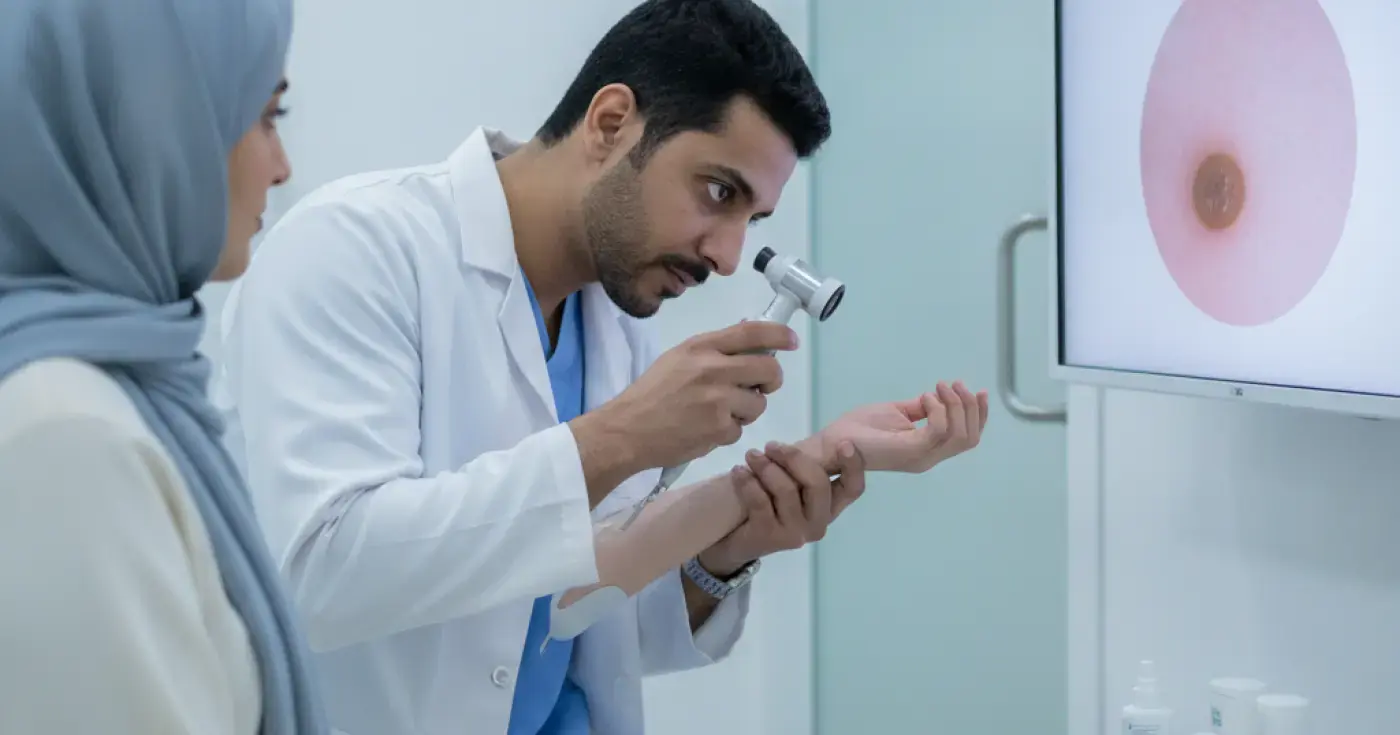
Regular skin checks are vital for early detection of any atypical changes. Any recurring lesion should be clinically evaluated using a منظار الجلد (Dermoscopy) to confirm its benign nature. Patients should monitor lesions using the ABCDE criteria: Asymmetry, Border irregularity, Color variation, Diameter greater than 6mm, and Evolving size or symptoms. Any suspicious regrowth warrants an immediate skin biopsy for histopathological analysis.
Proper wound care is crucial for optimal healing and minimizing complications like infection or scarring. Keep the treated area clean and dry for the first 24 hours, then apply prescribed antibiotic or moisturizing ointments regularly. Avoid picking at scabs to prevent scarring and pigment changes. Additionally, protect the healing skin from direct sunlight by applying a broad-spectrum sunscreen (SPF 50+) to prevent post-inflammatory hyperpigmentation.
While skin lesion removal is generally safe, patients should contact their clinic immediately if they experience persistent bleeding, signs of infection (such as severe redness, swelling, worsening pain, or pus), fever, or rapid, atypical regrowth of the treated lesion.
Removing benign skin lesions is highly safe and effective when performed by a qualified dermatologist. Accurate diagnosis prior to removal is the key to ensuring safety. Patients should strictly avoid dangerous home remedies or DIY removal kits, which carry high risks of severe infection and permanent scarring. Always consult a specialist for a personalized evaluation and treatment plan.
Clear, direct answers
Advertisement
Continue exploring
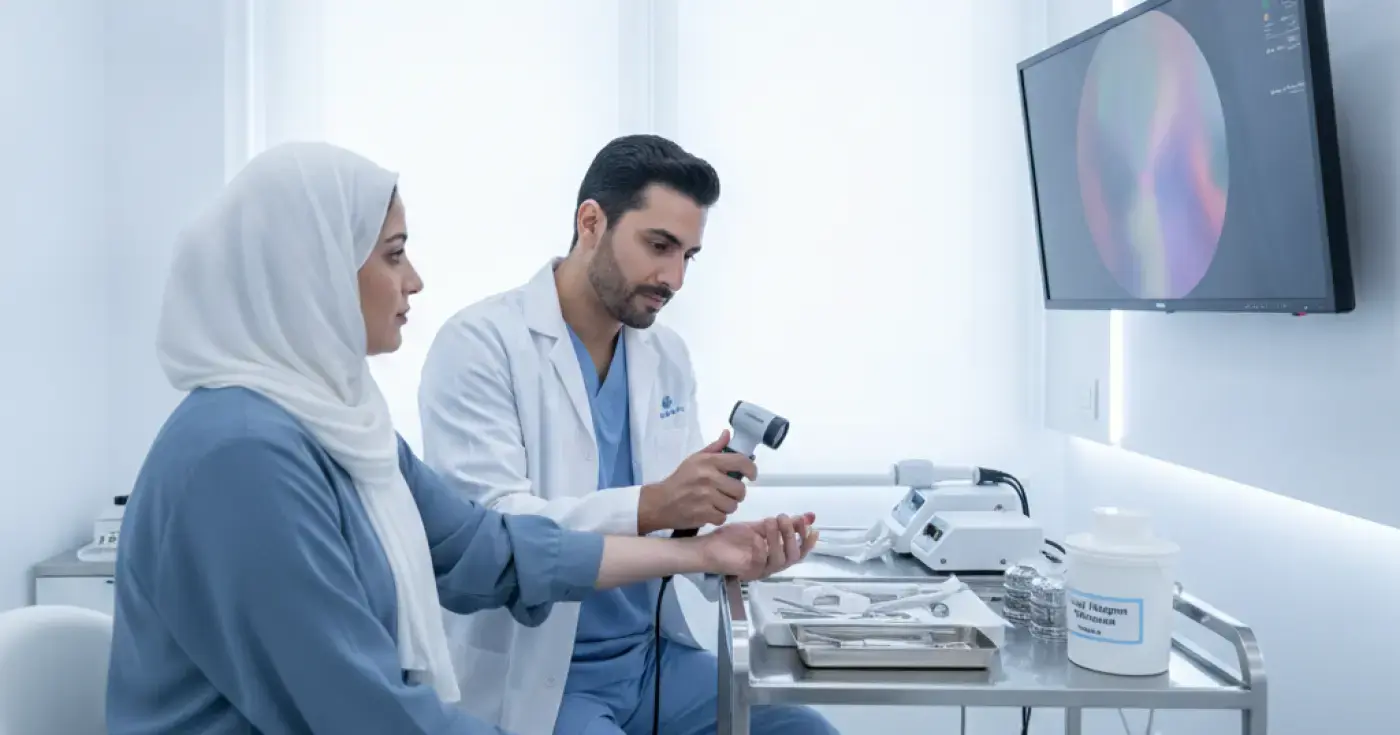
Explore safe medical methods for removing benign skin tumors, including cryotherapy, laser, and surgical excision, with expert recovery tips.
Read article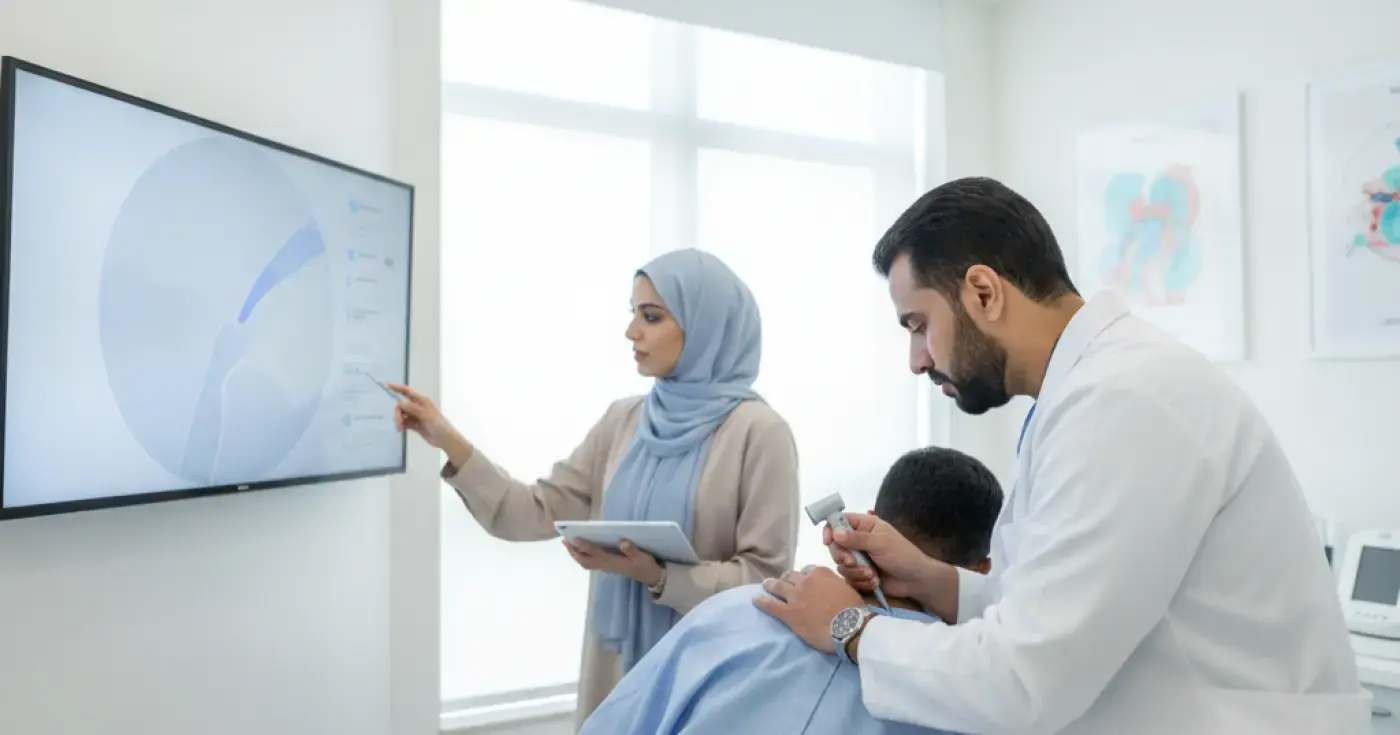
Learn if benign skin lesions can become cancerous, discover the ABCDE warning signs, and understand when to consult a dermatologist.
Read article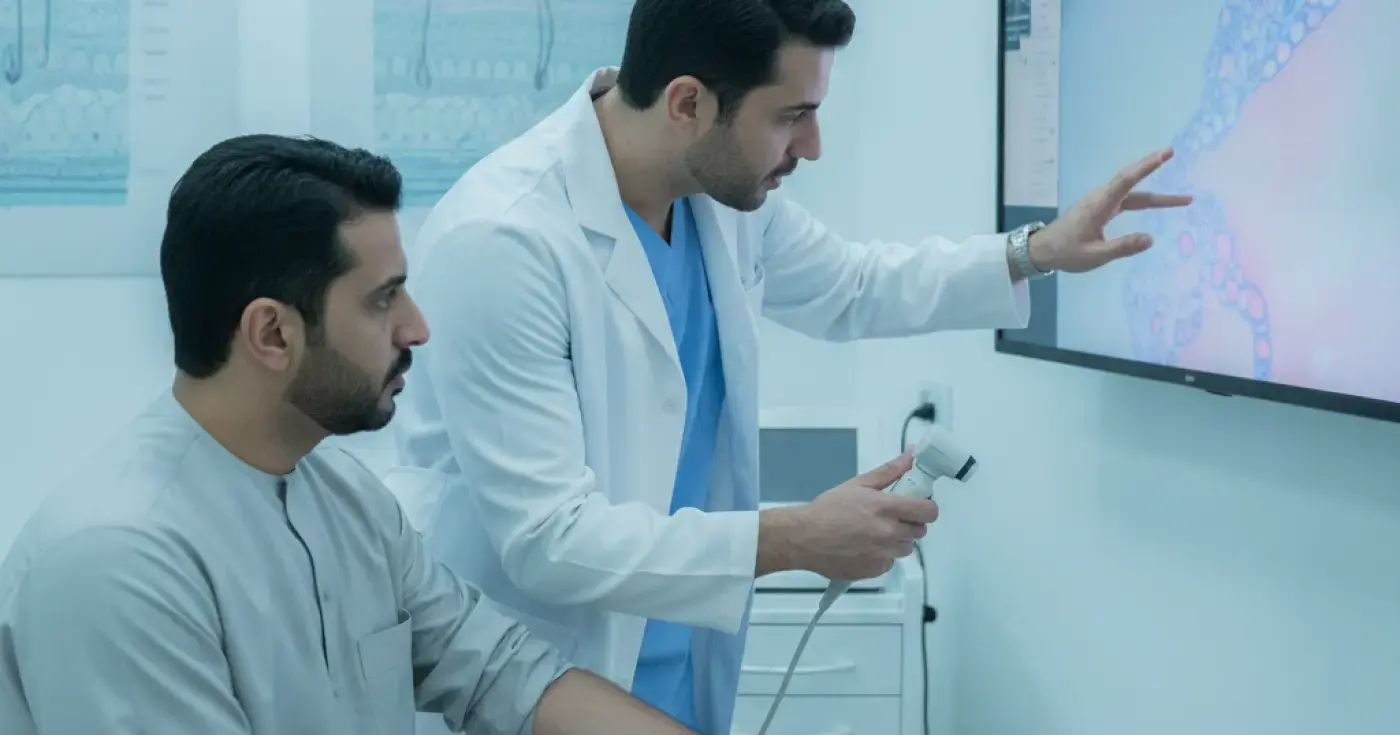
Learn about benign skin lumps, common types like lipomas and cysts, and the warning signs that require an immediate visit to a dermatologist.
Read article