
Lahalak Medical PlatformDifferentiate Care
Discover the main causes of dark lips, from sun exposure to lifestyle habits, and explore safe medical treatments like laser and chemical peels.
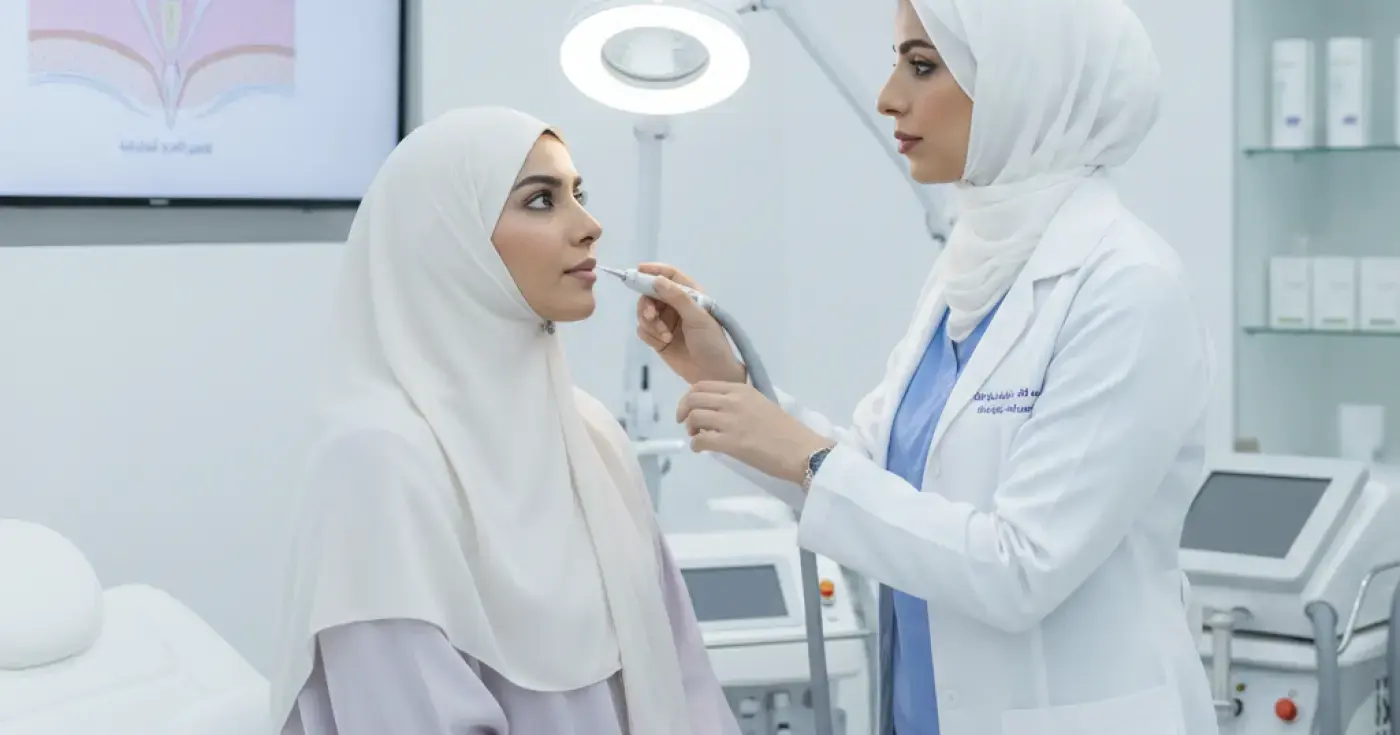
Advertisement
The lips are one of the most delicate and prominent features of the face. Unlike the rest of our skin, lip skin is extremely thin, consisting of only a few cellular layers, and lacks sweat glands and sebaceous glands that provide natural moisture and protection. This unique anatomy makes the lips highly susceptible to environmental damage and internal changes, which can trigger excess melanin production, leading to dark lips or what is clinically known as lip hyperpigmentation.
In this comprehensive medical guide, we will explore the various causes of dark lips, ranging from daily habits to underlying medical conditions, and discuss clinically approved dermatological treatments to restore healthy, naturally colored lips.
Several factors can cause the lips to darken or develop brown, grey, or bluish spots. These causes are generally classified into environmental, behavioral, and medical factors:
Ultraviolet (UV) radiation from the sun is the leading trigger for melanin synthesis in the skin. Because the lips do not produce enough melanin to protect themselves naturally, continuous sun exposure without a dedicated lip sunscreen stimulates melanocytes, resulting in dark spots or overall darkening of the lips.
Smoking is a major behavioral cause of lip hyperpigmentation. Tobacco contains nicotine and benzopyrene, both of which stimulate melanocytes to produce excess melanin. Furthermore, the heat from cigarettes and direct contact can damage the microvasculature of the lips, giving them a dark, bluish-grey appearance.
When lips lose moisture, they become dry and chapped. Many people habitually lick their lips to moisten them; however, saliva contains digestive enzymes that evaporate quickly, leaving the lips drier and irritated. This chronic irritation can lead to post-inflammatory hyperpigmentation (PIH), leaving dark patches behind.
Darkening can occur as an allergic reaction to substances that come into contact with the lips daily, including:
Hormonal shifts, particularly during pregnancy or while taking oral contraceptives, can affect melanocyte activity. Some women experience melasma on the lips, characterized by dark patches on the upper lip or both lips due to elevated estrogen and progesterone levels.
Certain medications can cause lip hyperpigmentation as a side effect, including antimalarials, minocycline, and chemotherapy drugs. Additionally, rare systemic conditions like Addison's disease (adrenal insufficiency) and Peutz-Jeghers syndrome are associated with hyperpigmentation of the lips and oral mucosa.
During a consultation, a dermatologist will review your detailed medical history, including daily habits, medications, and cosmetic products. The physician may use diagnostic tools such as a Wood's lamp to evaluate the depth of the pigment within the skin layers or recommend patch testing if allergic contact cheilitis is suspected.
Treatment options for lightening dark lips depend on the underlying cause and the depth of the pigmentation. It is essential to consult a dermatologist before starting any treatment to avoid irritation and worsening of the pigmentation.
A dermatologist may prescribe topical formulations containing active ingredients that inhibit melanin production, such as:
A mild chemical peel is an excellent option for removing dead, pigmented skin cells. Dermatologists use gentle acids, such as glycolic or lactic acid, formulated specifically for the sensitive lip area, to rejuvenate the lip surface and restore its natural pinkish tone.
Laser technology is one of the most advanced and rapid clinical methods for treating dark lips. Laser lip lightening (such as Q-switched Nd:YAG or Picosecond lasers) targets and breaks down excess melanin pigments without damaging the surrounding tissues. Patients typically require 2 to 4 sessions to achieve optimal results, with minimal downtime.
| Treatment Modality | Mechanism of Action | Expected Sessions | Downtime & Side Effects |
|---|---|---|---|
| Topical Creams | Inhibits melanin production and gradually fades dark spots | Daily use for several weeks | May cause mild dryness or irritation initially |
| Gentle Chemical Peels | Exfoliates dead, pigmented cells and stimulates renewal | 3 - 5 sessions (spaced apart) | Mild peeling and redness lasting a few days |
| Cosmetic Laser | Precisely targets and shatters deep pigment particles | 2 - 4 sessions | Mild swelling and redness resolving within 48 hours |
To prevent hyperpigmentation from returning and to maintain healthy lips, incorporate the following steps into your daily skincare routine:
While dark lips are usually a benign cosmetic concern, certain warning signs require immediate medical evaluation, including:
Clear, direct answers
Advertisement
Continue exploring
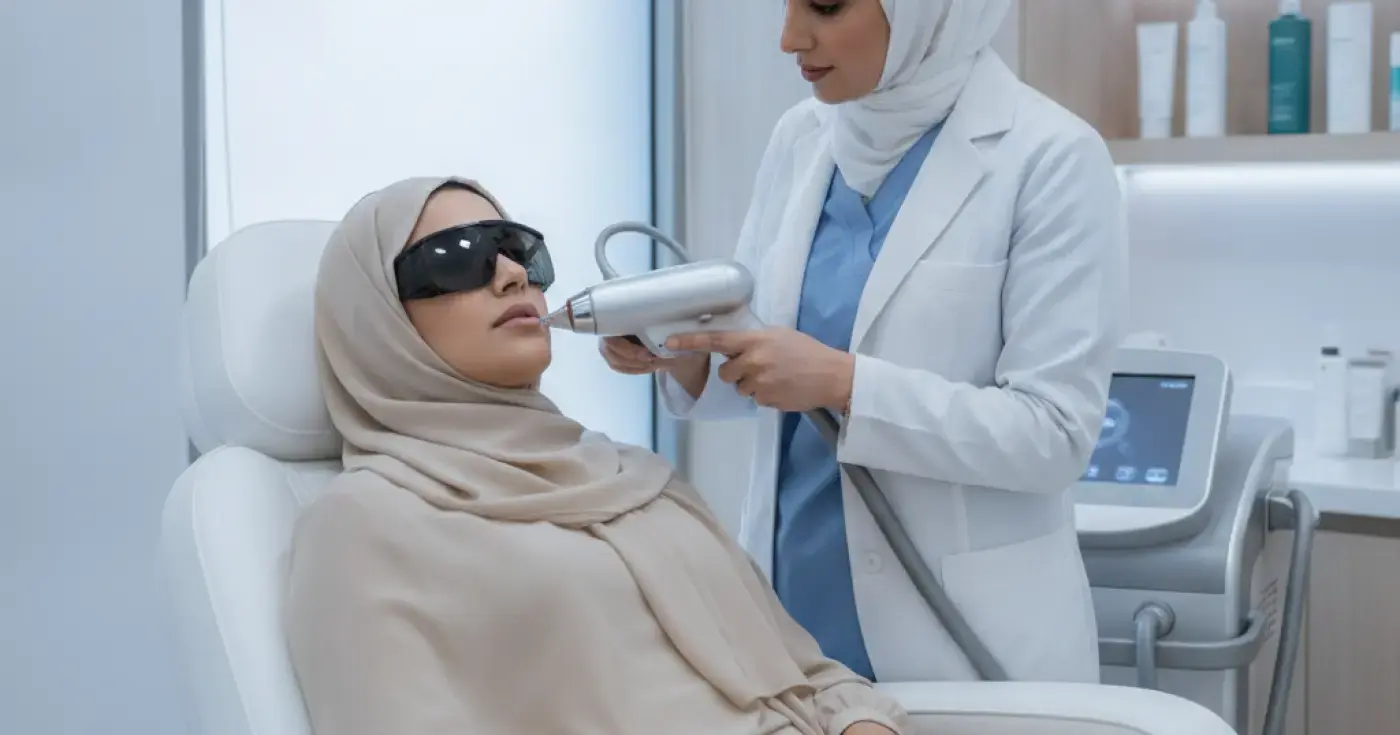
Discover if laser lip lightening is right for you. Learn about the procedure, ideal candidates, recovery tips, and potential side effects.
Read article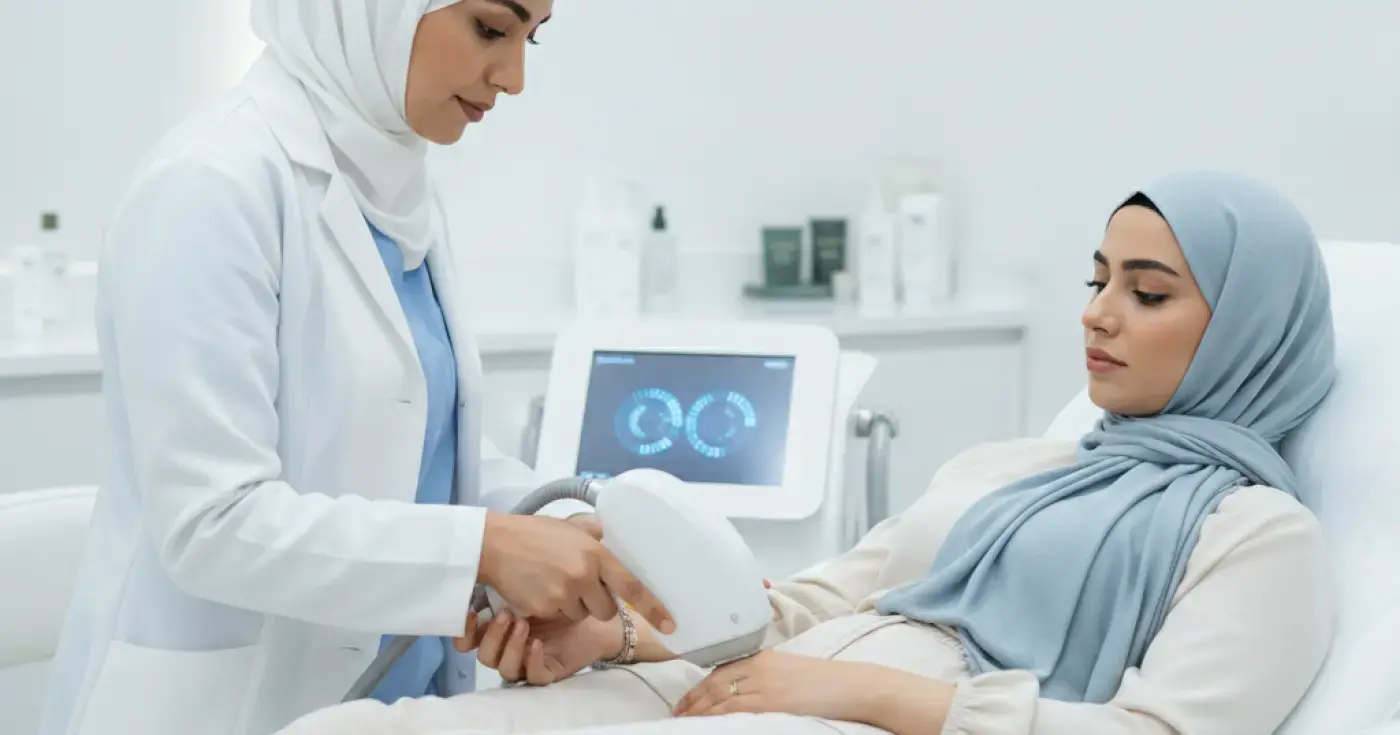
Learn how many laser hair removal touch-up sessions you need, the ideal timing, benefits, and clinical safety tips for smooth skin.
Read article
Learn the medical reasons for laser hair removal touch-up sessions, their ideal timing, and how they help achieve optimal, smooth results safely.
Read article