
Lahalak Medical PlatformDifferentiate Care
Discover the early signs of androgenetic alopecia in men and women, and explore the best clinically proven treatments and management options.
Advertisement
Androgenetic alopecia, commonly known as male or female pattern baldness, is the most prevalent cause of hair loss worldwide. Although frequently associated with aging, it can begin as early as the late teens or twenties, significantly impacting self-esteem and quality of life. At LahaLak medical platform, we provide a clinical overview of this condition to help you recognize its early signs and explore scientifically proven management options.
This condition is characterized by a progressive, non-scarring reduction in hair density that follows a distinct pattern depending on biological sex. Understanding the underlying biological mechanisms is crucial for initiating timely and effective interventions before permanent hair follicle loss occurs.
Androgenetic alopecia is not caused by poor hair hygiene or external styling products; rather, it is a genetically predetermined condition driven by hormonal factors. Inherited genes from both parents dictate the sensitivity of hair follicles to circulating androgens (male sex hormones).
The primary hormone responsible for this process is dihydrotestosterone (DHT), an active metabolite of testosterone synthesized via the enzyme 5-alpha reductase. In genetically susceptible individuals, DHT binds to androgen receptors within hair follicles, triggering a process known as "follicular miniaturization." This process shortens the active growth phase (anagen phase) and prolongs the resting phase (telogen phase). Consequently, with each successive hair cycle, the newly produced hair shaft becomes thinner, shorter, and less pigmented, eventually leading to complete follicle inactivity.
Recognizing the early signs of hereditary hair loss is vital for successful therapeutic outcomes, as treatments are far more effective at preserving existing hair than regenerating lost follicles.
The following table highlights the key clinical differences in the presentation and management of androgenetic alopecia between men and women:
| Feature | Male Pattern Baldness | Female Pattern Baldness |
|---|---|---|
| Typical Age of Onset | Late teens, 20s, or early 30s | Post-30s or after menopause |
| Clinical Pattern | Receding frontal hairline and vertex thinning | Diffuse thinning of the crown with frontal hairline preservation |
| Medical Classification Scale | Norwood Scale | Ludwig Scale |
| Hormonal Influence | Directly linked to free DHT levels | Influenced by follicle sensitivity and estrogen-to-androgen ratios |
| Primary Topical Treatment | Minoxidil 5% (solution or foam) | Minoxidil 2% or 5% (foam preferred) |
Before initiating any hair restoration regimen, a comprehensive evaluation by a board-certified dermatologist is essential. The diagnostic process typically begins with a thorough clinical history and a hair loss blood profile to rule out systemic causes of hair shedding, such as thyroid dysfunction, iron deficiency anemia, or acute nutritional deficiencies.
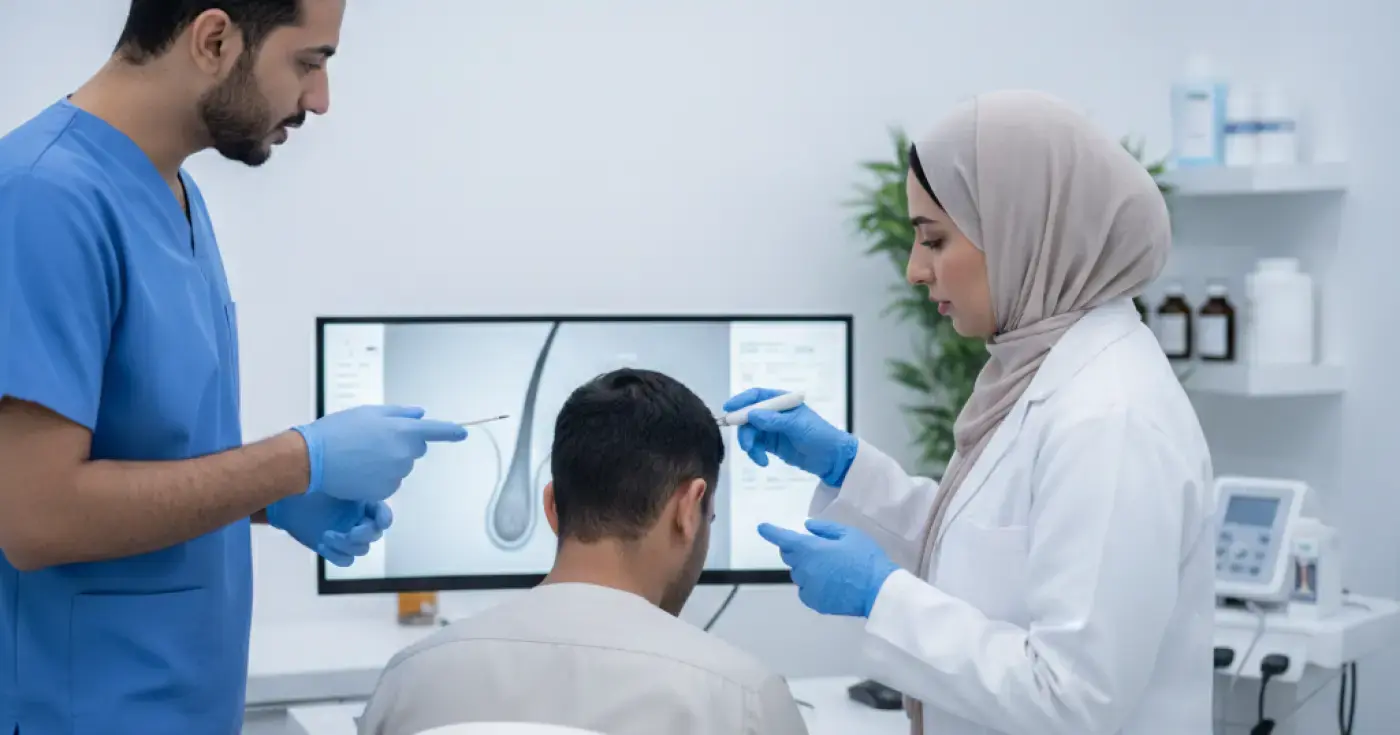
The dermatologist will perform a trichoscopy—a non-invasive dermoscopic examination of the hair and scalp. This allows for the direct visualization of hair shaft diameter variation and follicular miniaturization, confirming the diagnosis of androgenetic alopecia and guiding the formulation of a personalized treatment plan.
While androgenetic alopecia is a progressive condition, several clinically proven therapies can slow down its course, stabilize hair loss, and stimulate regrowth.
For individuals with advanced hair loss where medical therapies are insufficient, hair transplantation offers a permanent solution. This surgical procedure involves harvesting DHT-resistant hair follicles from the donor site (usually the back of the scalp) and transplanting them into thinning or bald areas using advanced techniques like Follicular Unit Extraction (FUE) or Direct Hair Implantation (DHI).
Adhering to a proper hair care guide can support overall scalp health and minimize external stressors that accelerate hair shedding:
We highly recommend scheduling a clinical consultation if you experience any of the following symptoms:
Early clinical intervention remains the most effective strategy for preserving hair density and achieving optimal long-term outcomes under professional medical guidance.
Clear, direct answers
Advertisement
Continue exploring
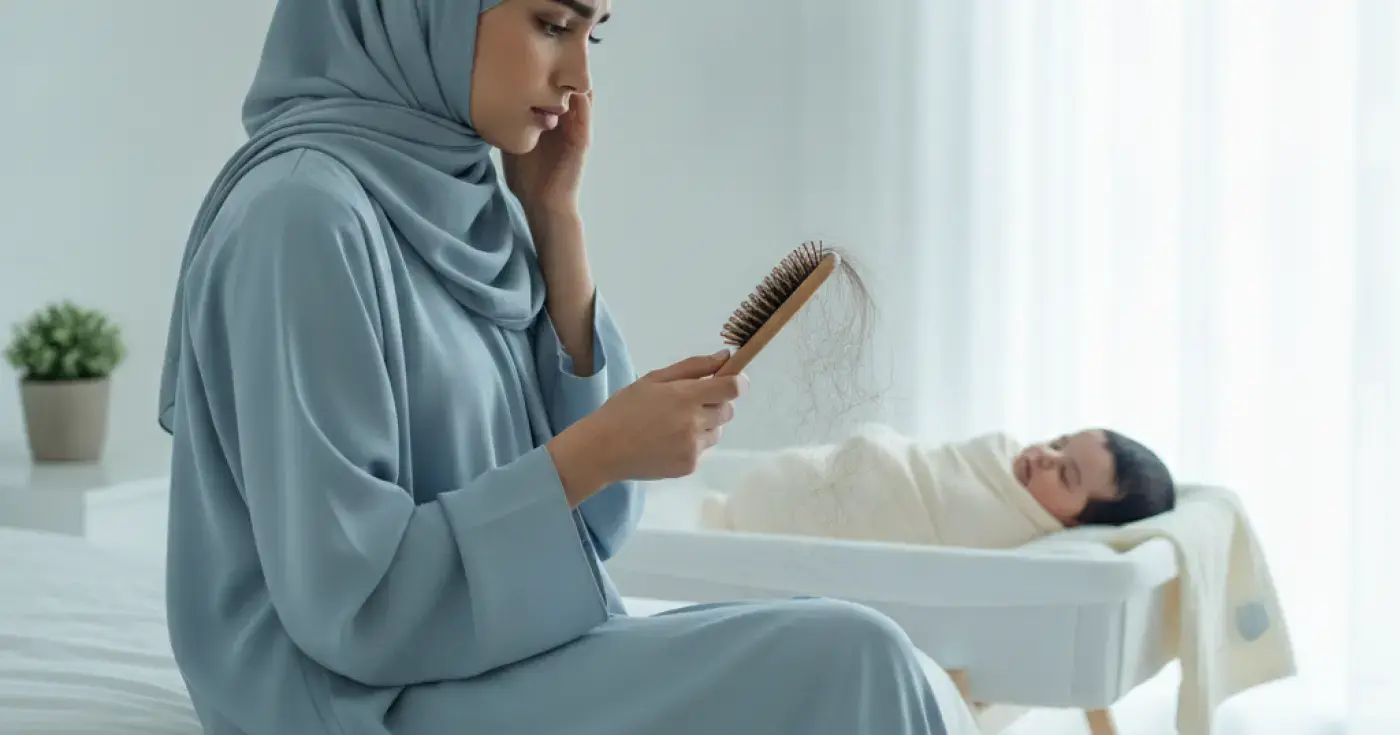
Learn why postpartum hair loss happens, when it starts and ends, and the best medical and home care tips to restore your hair health safely.
Read article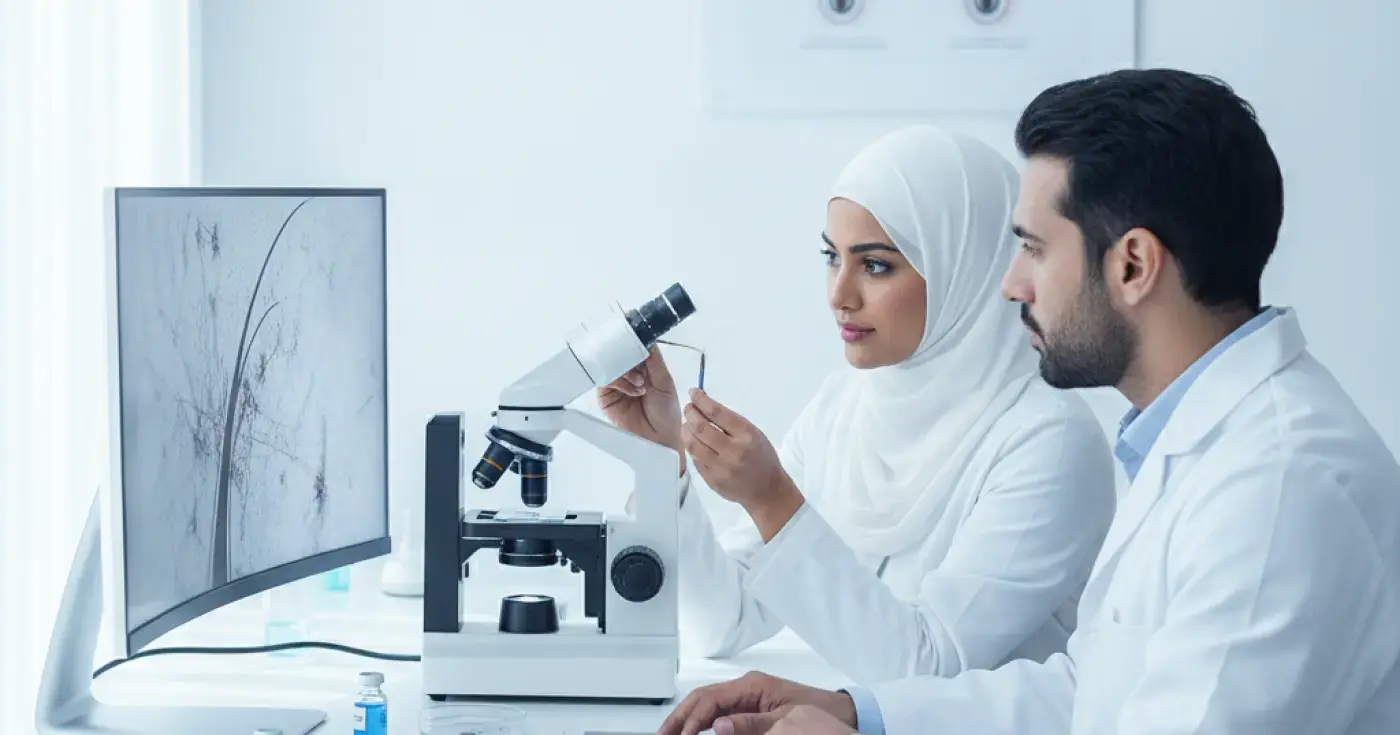
Learn how vitamin and mineral deficiencies cause hair loss, the key nutrients for hair follicle health, and when to consult a dermatologist.
Read article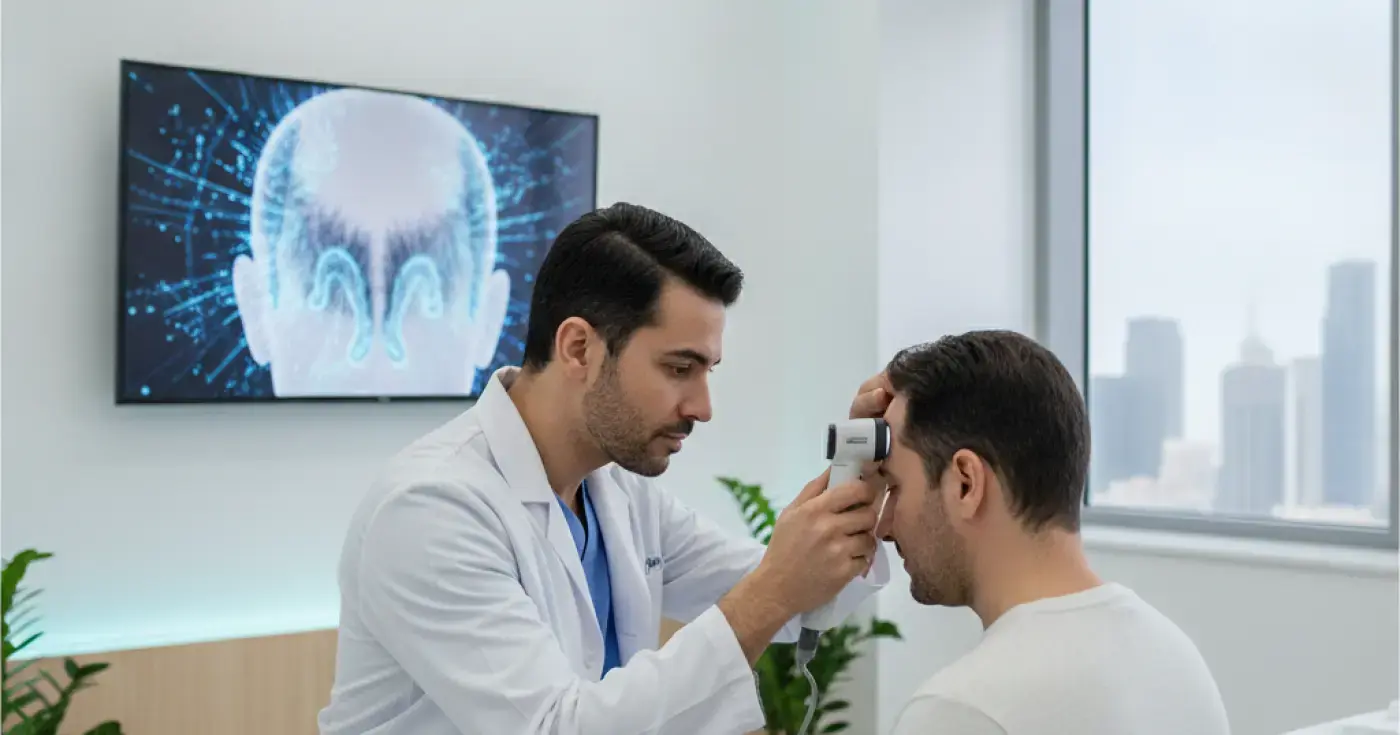
A medical guide on male pattern hair loss: learn when it starts, how it is diagnosed, and clinically proven treatments including medications and transplants.
Read articleExplore the topic