
Lahalak Medical PlatformDifferentiate Care
Learn about the causes of female alopecia, its types, advanced medical treatments, and practical ways to cope with the psychological effects of hair loss.
Advertisement
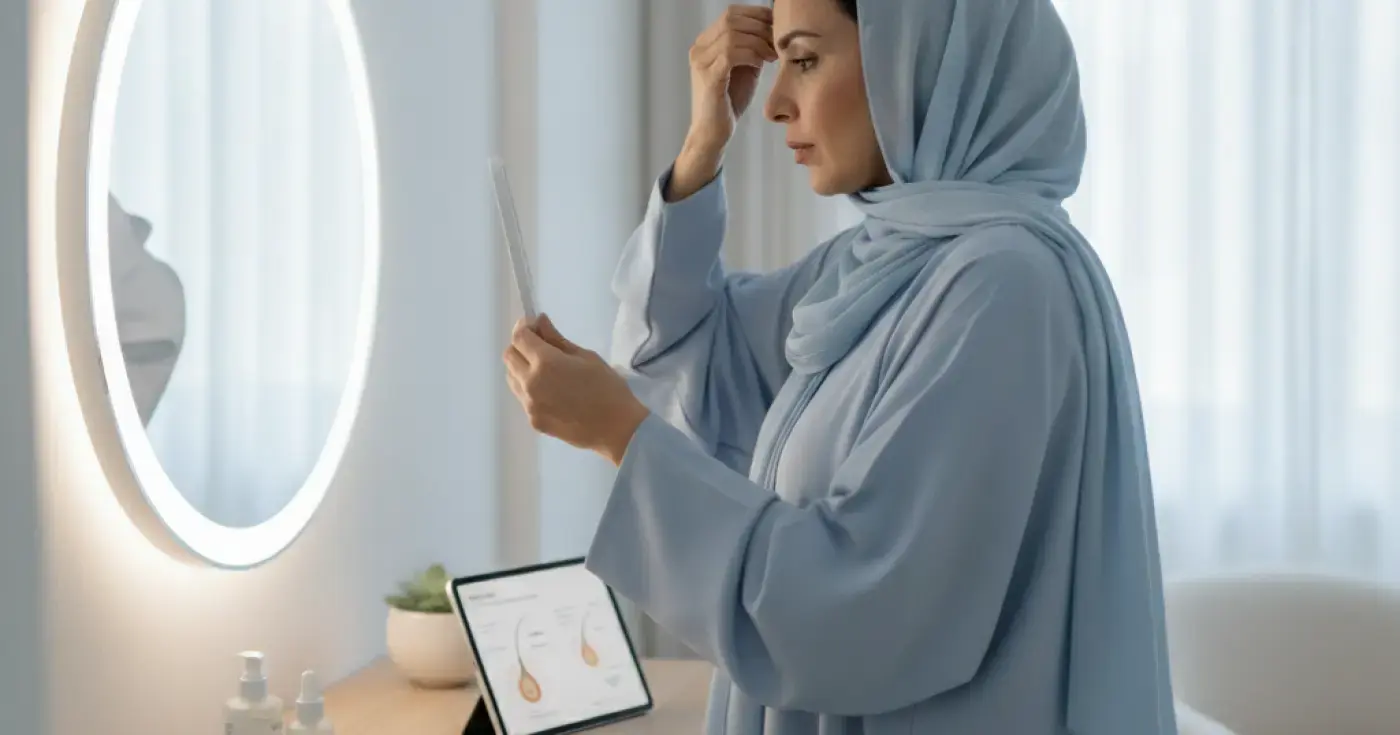
Hair health and appearance are deeply intertwined with personal identity and self-esteem for many women. Consequently, experiencing sudden or excessive hair loss, particularly due to alopecia, can be a highly distressing and emotional journey. Alopecia is not merely a cosmetic concern; it is a complex medical condition that requires a precise clinical understanding of its causes, types, and modern therapeutic options.
In this comprehensive medical guide, we will explore female alopecia in detail, covering clinical classifications, diagnostic procedures, approved treatment modalities, and the essential role of psychological support in patient care.
Hair loss in women presents in various clinical patterns and is categorized into several distinct types based on etiology and presentation:
The development of alopecia in women involves a complex interplay of biological, genetic, and environmental factors:
In alopecia areata, the immune system's normal tolerance is disrupted, causing T-lymphocytes to target active hair follicles, forcing them into an early resting state and halting hair production.
A family history of alopecia or other autoimmune conditions (such as vitiligo, thyroiditis, or type 1 diabetes) significantly increases the risk of developing alopecia areata.
Hormonal shifts during pregnancy, postpartum, menopause, or conditions like Polycystic Ovary Syndrome (PCOS) can alter the hair growth cycle, leading to thinning or shedding.
While stress does not directly cause autoimmune alopecia, it acts as a potent trigger that can initiate or exacerbate flare-ups in genetically susceptible individuals.
Symptoms vary depending on the specific type of alopecia, but common clinical signs include:
An accurate diagnosis is crucial for effective management and requires a thorough evaluation by a dermatologist. Diagnostic steps typically include:
The dermatologist performs a detailed scalp examination using a trichoscope to evaluate hair follicle density, shaft diameter, and specific signs of active disease (such as exclamation mark hairs).
Blood tests are often ordered to rule out underlying systemic causes of hair loss. These may include thyroid function tests, serum ferritin (iron stores), vitamin D, vitamin B12, and hormonal panels if PCOS is suspected.
In atypical cases or when scarring alopecia is suspected, a small punch biopsy of the scalp may be performed to analyze the histopathological features of the tissue under a microscope.
Therapeutic strategies aim to suppress the inflammatory response and stimulate hair follicle activity. Treatment plans are highly individualized based on the disease severity and patient profile:
| Treatment Modality | Mechanism of Action | Indication | Potential Side Effects |
|---|---|---|---|
| Intralesional Corticosteroids | Suppresses localized autoimmune inflammation | Localized alopecia areata | Transient skin atrophy at injection sites |
| Topical Minoxidil | Vasodilation and follicular stimulation | Female pattern hair loss & adjunctive use | Scalp irritation, hypertrichosis (facial hair) |
| Oral JAK Inhibitors | Targeted systemic immune pathway inhibition | Severe, extensive alopecia areata | Laboratory alterations, increased infection risk |
| PRP Therapy | Delivers concentrated autologous growth factors | Hair thinning and telogen effluvium | Mild, temporary injection-site discomfort |
The psychological burden of alopecia in women is profound. Hair loss can lead to anxiety, depression, social withdrawal, and a diminished quality of life due to altered body image. Recognizing and addressing these emotional challenges is an integral part of holistic patient care.
Effective coping strategies include:
A gentle hair care routine is essential to prevent further mechanical damage and soothe the scalp:
Early intervention is key to managing alopecia effectively. You should seek medical advice if you experience:
Clear, direct answers
Advertisement
Continue exploring
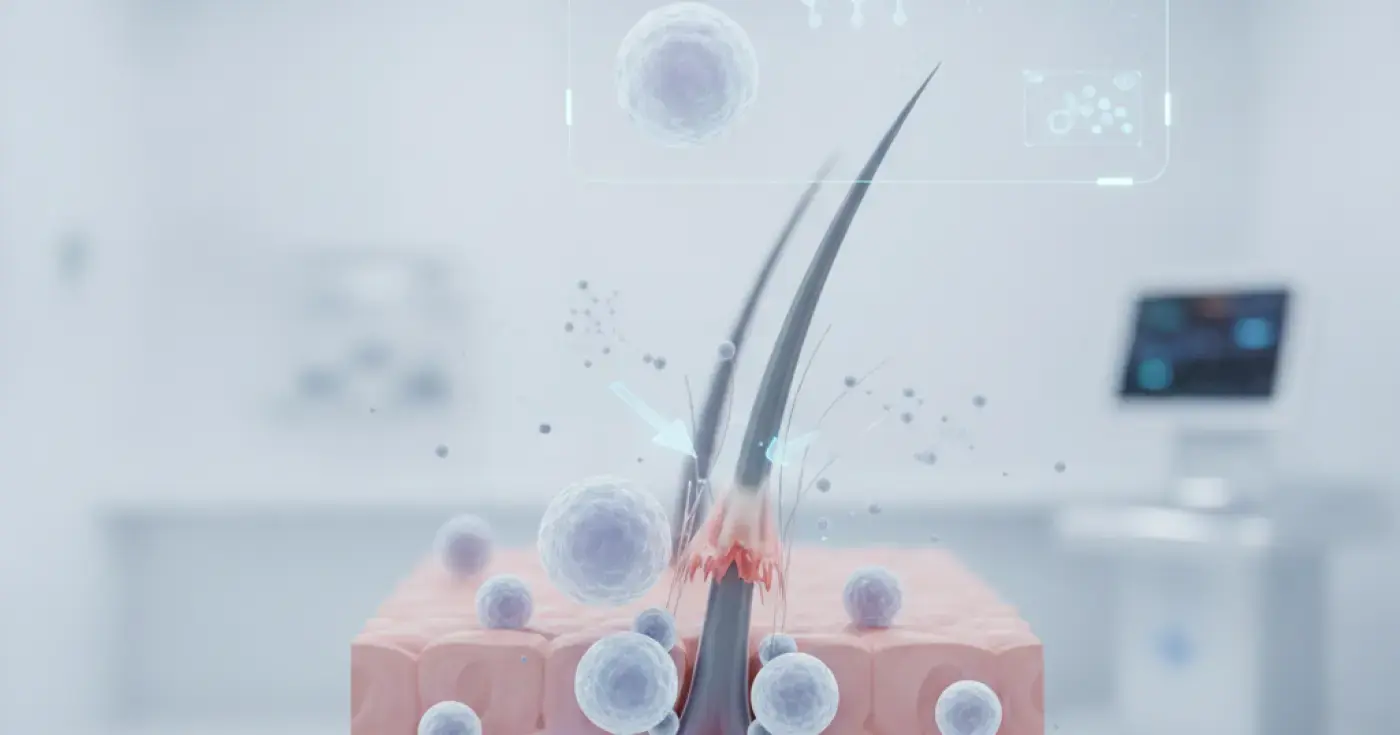
Learn how the immune system attacks hair follicles in alopecia areata, its causes, diagnostic methods, and the latest medical treatments.
Read article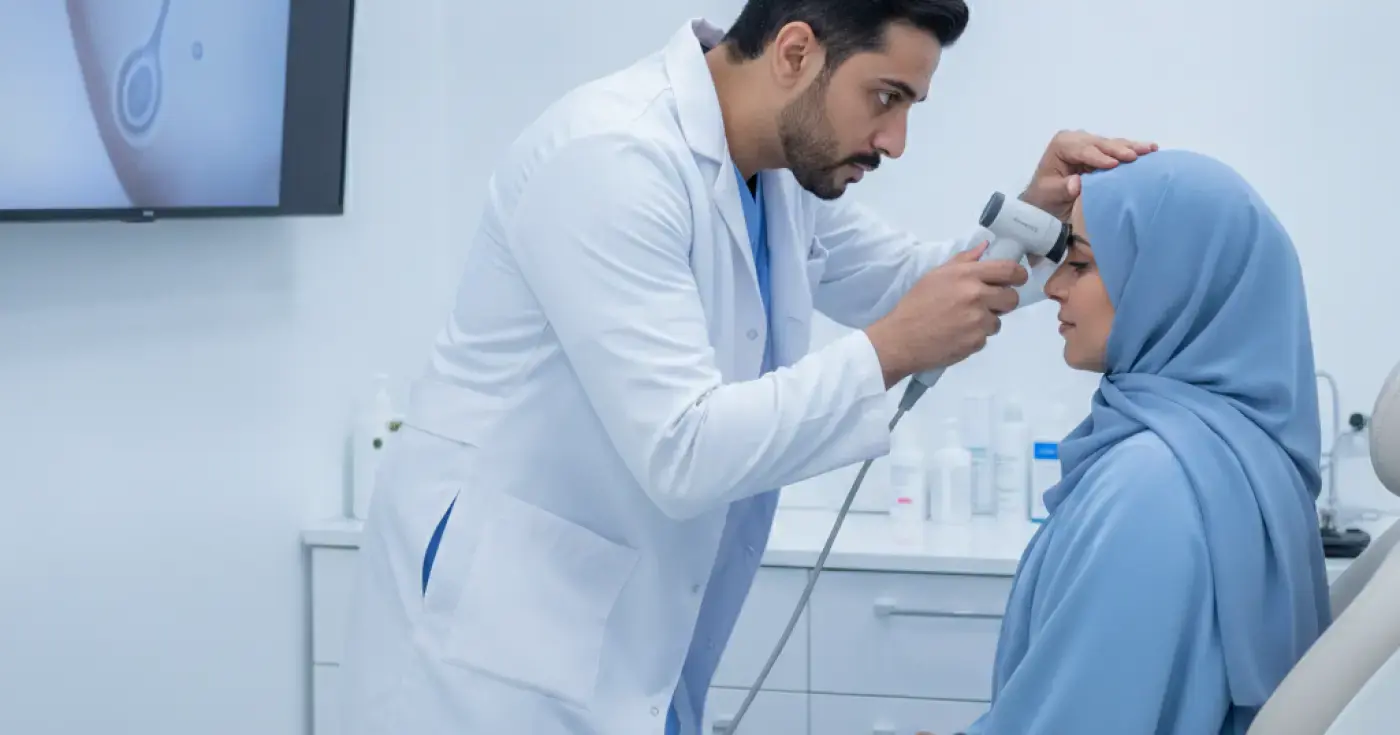
Explore the most effective medical treatments for alopecia areata, including JAK inhibitors and steroid injections, to safely stimulate hair regrowth.
Read article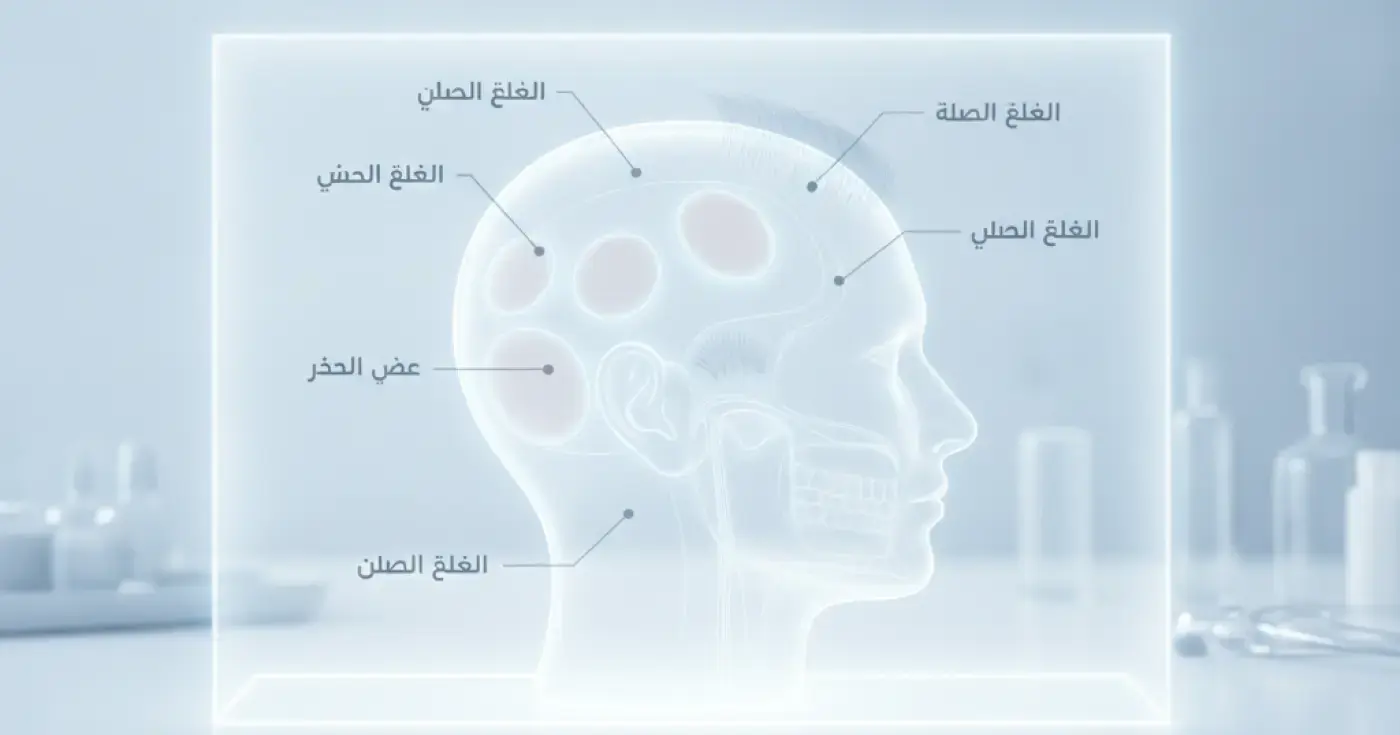
Learn about the different types of alopecia, including areata, androgenetic, and traction. Discover causes, symptoms, and modern treatments.
Read article