
Lahalak Medical PlatformDifferentiate Care
A medical guide on pediatric alopecia areata: symptoms, causes, treatments in Saudi Arabia, and essential psychological support for children.
Advertisement
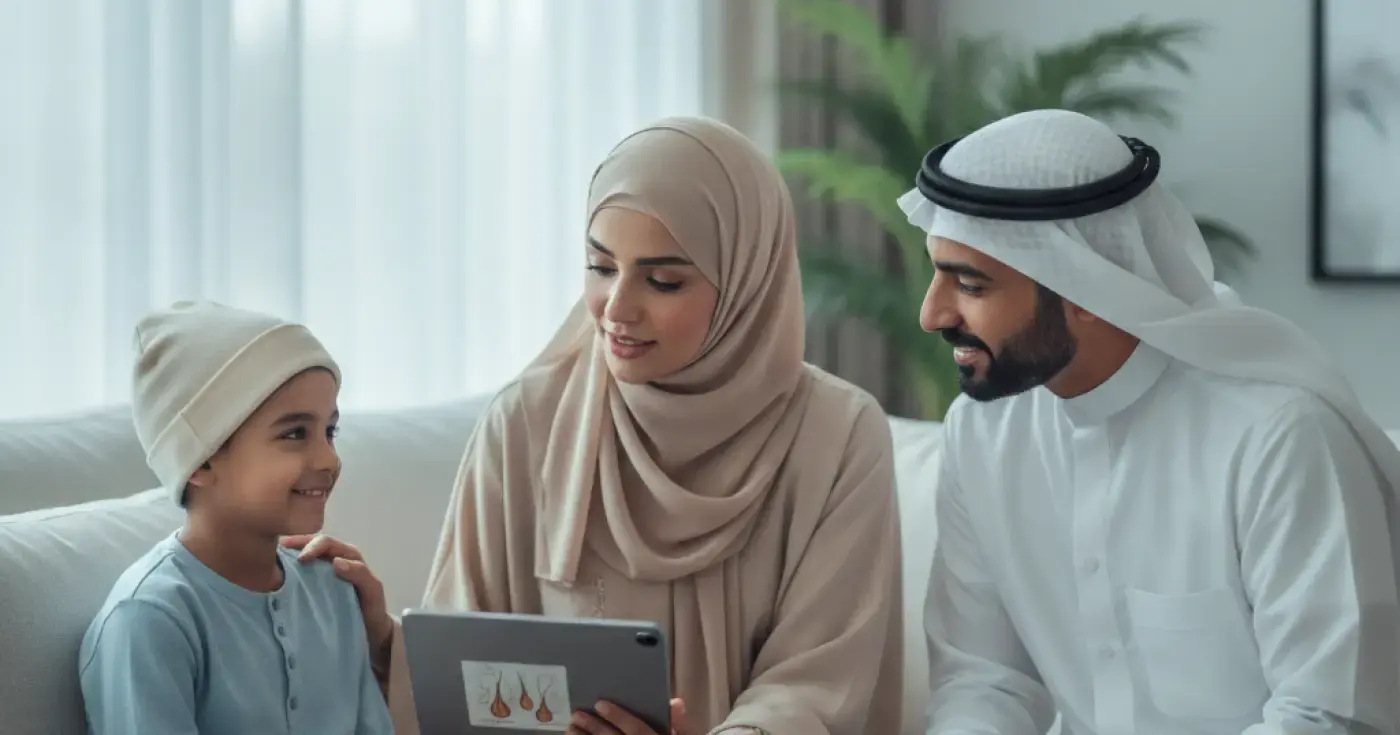
Alopecia areata in children is a common dermatological condition characterized by sudden, patchy hair loss. While it is not life-threatening or physically painful, the visual nature of hair loss can cause significant emotional distress for both the child and their parents. Understanding the nature of this condition is the first step toward effective medical and psychological management.
Alopecia can present in several clinical forms depending on the extent of hair loss:
The onset of alopecia is typically rapid. Parents often notice a sudden bald patch during routine hair brushing. Key clinical signs include:
Contrary to common misconceptions, alopecia is not caused by poor hygiene, nutritional deficiencies, or contagious pathogens. It is an autoimmune disorder where the body's immune system mistakenly targets active hair follicles, pushing them prematurely into a resting phase. Genetic predisposition plays a significant role, and children with a family history of autoimmune conditions (such as thyroid disease or vitiligo) are at a higher risk.
An accurate diagnosis requires a visit to a عيادة الأمراض الجلدية للأطفال (pediatric dermatology clinic). The specialist will perform a dermoscopy to examine the scalp and rule out fungal infections like tinea capitis. In some cases, تحاليل الدم الشاملة (comprehensive blood tests) may be ordered to evaluate thyroid function and screen for associated autoimmune markers.
Treatment plans are highly individualized based on the child's age and the extent of hair loss. The primary goal is to suppress the localized immune response and stimulate hair regrowth:
Mild topical corticosteroids and topical minoxidil are commonly prescribed as safe, first-line options for localized patches in children.
For severe or rapidly progressing cases, advanced treatments such as oral corticosteroids or modern JAK inhibitors may be considered under strict clinical supervision.
| Treatment Type | Common Indication | Key Advantages | Clinical Precautions |
|---|---|---|---|
| Topical Corticosteroids | Mild, localized patches | Easy to apply at home, safe for young children | Must be used in cycles to prevent skin thinning |
| Topical Minoxidil | Adjuvant therapy | Helps stimulate hair regrowth in dormant follicles | Not highly effective as a standalone autoimmune treatment |
| JAK Inhibitors | Severe, extensive hair loss | High efficacy with promising clinical results | Requires regular blood monitoring and specialist follow-up |
Hair loss can deeply affect a child's self-esteem, especially in school environments. Providing consistent الدعم النفسي والتربوي (psychological and educational support) is crucial. Parents should explain the condition in simple terms, reassure the child that it is not their fault, and work closely with school staff to prevent bullying.
Seeking الاستشارة الطبية المتخصصة (specialist medical consultation) early is vital. Early intervention helps manage the condition effectively, prevents further spread, and supports the child's physical and emotional well-being.
Clear, direct answers
Advertisement
Continue exploring
Learn about the causes of female alopecia, its types, advanced medical treatments, and practical ways to cope with the psychological effects of hair loss.
Read article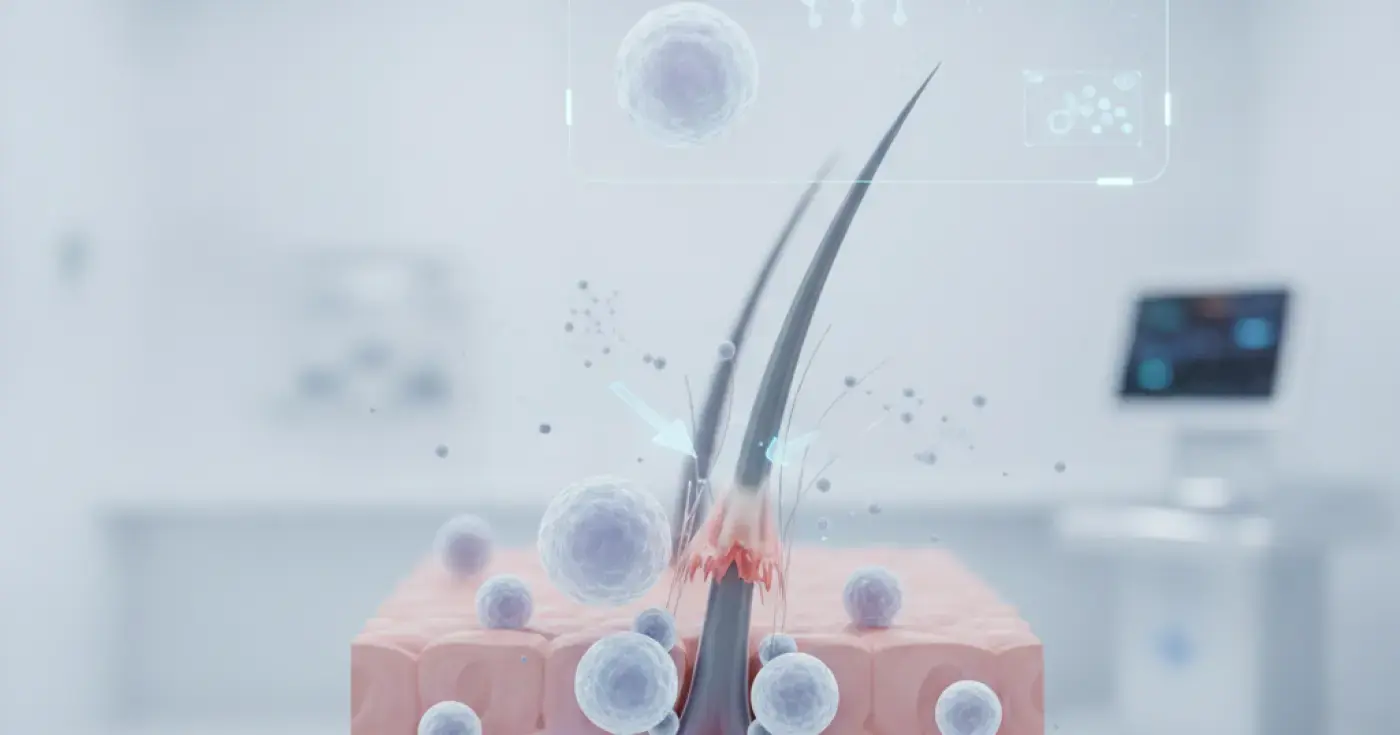
Learn how the immune system attacks hair follicles in alopecia areata, its causes, diagnostic methods, and the latest medical treatments.
Read article
Explore the most effective medical treatments for alopecia areata, including JAK inhibitors and steroid injections, to safely stimulate hair regrowth.
Read article