
Lahalak Medical PlatformDifferentiate Care
Discover the causes of acne in oily skin and the best daily skincare routine, active ingredients, and medical tips to prevent breakouts.

Advertisement
Oily skin is highly prone to developing acne vulgaris. This susceptibility is primarily driven by overactive sebaceous glands producing excess sebum. When this excess oil mixes with dead skin cells, it clogs pores, creating an ideal environment for acne-causing bacteria to thrive and trigger inflammatory responses.
Several factors contribute to the exacerbation of acne in individuals with oily skin, including:
Consistency with a scientifically backed regimen is key to controlling excess sebum and preventing breakouts. It is highly recommended to follow a structured oily skincare routine:
Wash your face twice daily (morning and evening) using a foaming or gel-based cleanser containing salicylic acid or glycolic acid. This removes excess oil and dead skin cells without stripping the skin's natural moisture barrier, which could trigger rebound oil production.
Incorporate chemical exfoliants, particularly Beta Hydroxy Acids (BHAs), 2 to 3 times a week. Salicylic acid penetrates deep into the pores to dissolve sebum and reduce blackheads and whiteheads.
Skipping moisturizer is a common mistake. Dehydrated skin prompts the sebaceous glands to produce more oil to compensate. Opt for a lightweight, water-based, or gel moisturizer labeled "non-comedogenic."
UV radiation can worsen inflammation and lead to post-inflammatory hyperpigmentation (dark spots). Use a broad-spectrum sunscreen (SPF 30 or higher) with a fluid, lightweight, oil-free formula.
When selecting skincare products or topical treatments, look for clinically proven active ingredients that regulate sebum and target bacteria:
| Active Ingredient | Mechanism of Action | Primary Benefits |
|---|---|---|
| Salicylic Acid (BHA) | Lipophilic exfoliant that penetrates pores | Unclogs pores, reduces blackheads and inflammation |
| Benzoyl Peroxide | Antimicrobial agent targeting acne bacteria | Clears inflammatory pimples and reduces swelling |
| Topical Retinoids | Vitamin A derivatives regulating cell turnover | Prevents clogged pores and improves skin texture |
| Niacinamide | Anti-inflammatory and sebum-regulating agent | Reduces redness, strengthens skin barrier, fades spots |
In addition to topical treatments, daily habits play a crucial role in maintaining clear skin:
While over-the-counter care can manage mild cases, moderate to severe acne requires a professional dermatologist consultation. Seek medical advice if:
Clear, direct answers
Advertisement
Continue exploring
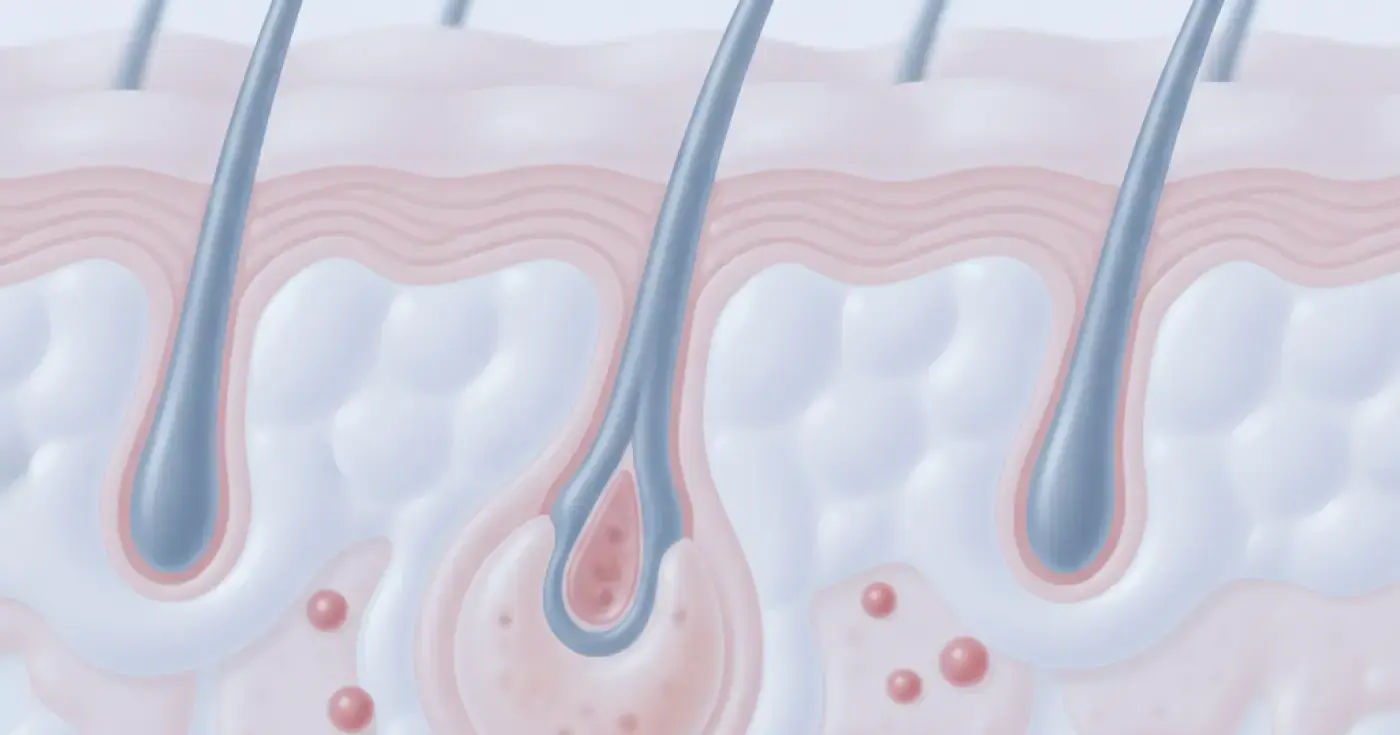
Discover the medical causes of acne, from hormonal shifts to genetics and lifestyle. Learn effective prevention and clinical treatments from LahaLak.
Read article
Learn about the different types of acne, from blackheads to cystic acne, and how dermatologists customize treatments for each specific case.
Read article
A comprehensive medical guide to hormonal acne, its causes, symptoms, clinical treatments, and daily skincare tips to prevent scarring.
Read articleExplore the topic