
Lahalak Medical PlatformDifferentiate Care
A comprehensive medical guide to hormonal acne, its causes, symptoms, clinical treatments, and daily skincare tips to prevent scarring.
Advertisement
Hormonal acne is one of the most common and frustrating dermatological concerns, particularly among adults. Although closely associated with adolescence, it can persist or develop for the first time well into adulthood, causing significant physical and psychological distress. In this comprehensive medical guide, we will explore the pathophysiology of hormonal acne, its clinical presentation, how to differentiate it from other types of acne, and the latest evidence-based medical treatments and lifestyle interventions to achieve clear skin.
Hormonal acne is a form of acne directly linked to fluctuations in systemic hormones. These hormonal shifts stimulate the sebaceous (oil) glands in the skin, leading to overproduction of sebum and altered sebum composition. This excess oil, combined with dead skin cells, clogs pores and creates an ideal environment for the proliferation of acne-causing bacteria, leading to inflammation. Unlike adolescent acne, which typically appears in the T-zone (forehead, nose, and chin), adult hormonal acne characteristically concentrates on the lower third of the face, including the jawline, chin, and upper neck.
The activity of sebaceous glands is highly sensitive to hormonal signals. Several key endocrine factors drive the development of hormonal acne:
Androgens, such as testosterone and dihydrotestosterone (DHT), are the primary hormones responsible for stimulating sebum production. When androgen levels rise, or when sebaceous glands exhibit hyper-responsiveness to normal circulating levels of these hormones, sebum production increases dramatically, leading to follicular occlusion and subsequent inflammatory lesions.
Women experience continuous hormonal shifts throughout their lives, which explains why hormonal acne is significantly more prevalent in adult females:
PCOS is a common endocrine disorder characterized by hyperandrogenism, ovulatory dysfunction, and insulin resistance. Severe, treatment-resistant hormonal acne is a hallmark clinical sign of PCOS, often accompanied by hirsutism (excessive hair growth), androgenetic alopecia (hair thinning), and irregular menstrual cycles.
Dermatologists identify hormonal acne based on specific clinical characteristics:
The following table outlines the key differences between hormonal acne and classic acne vulgaris:
| Feature | Hormonal Acne | Acne Vulgaris (Common Acne) |
|---|---|---|
| Primary Age Group | Adults (especially females aged 20 to 50) | Adolescents and young adults |
| Primary Location | Chin, jawline, and upper neck (U-zone) | Forehead, nose, and upper cheeks (T-zone) |
| Lesion Characteristics | Deep, painful, cystic, and nodular lesions | Superficial comedones, papules, and pustules |
| Underlying Driver | Systemic hormonal fluctuations and androgen sensitivity | Follicular hyperkeratinization, sebum, and bacteria |
| Response to Topicals | Often limited; usually requires systemic therapy | Generally good response to topical regimens |
To establish an accurate diagnosis, a dermatologist consultation is essential. The physician will perform a thorough clinical examination and review the patient's medical history. If an underlying endocrine disorder like PCOS is suspected, the doctor may order a comprehensive hormone test panel. This typically includes measuring free and total testosterone, DHEA-S, luteinizing hormone (LH), follicle-stimulating hormone (FSH), thyroid hormones, and fasting insulin levels.
Treatment strategies are tailored to the severity of the acne, the patient's gender, and their medical history. Approved medical interventions include:
While topical treatments may not completely resolve severe hormonal acne on their own, they are vital for managing surface inflammation and maintaining follicular patency:
These therapies target the root endocrine cause by regulating hormone levels and reducing androgenic stimulation of the sebaceous glands:
For severe, scarring, or treatment-resistant hormonal acne, oral isotretinoin remains the gold standard. It dramatically reduces sebaceous gland size and sebum output. Due to its potent teratogenic effects, female patients must strictly adhere to pregnancy prevention protocols, and all patients require regular blood monitoring of liver enzymes and lipid profiles.
Adopting a supportive skincare routine and healthy lifestyle habits can significantly enhance treatment outcomes and prevent future flare-ups:
Leaving hormonal acne untreated or attempting self-treatment can lead to long-term physical and emotional consequences:
We recommend seeking professional medical care if:
An early, personalized medical approach is the most effective way to manage hormonal acne, preserve skin health, and prevent permanent scarring.
Clear, direct answers
Advertisement
Continue exploring
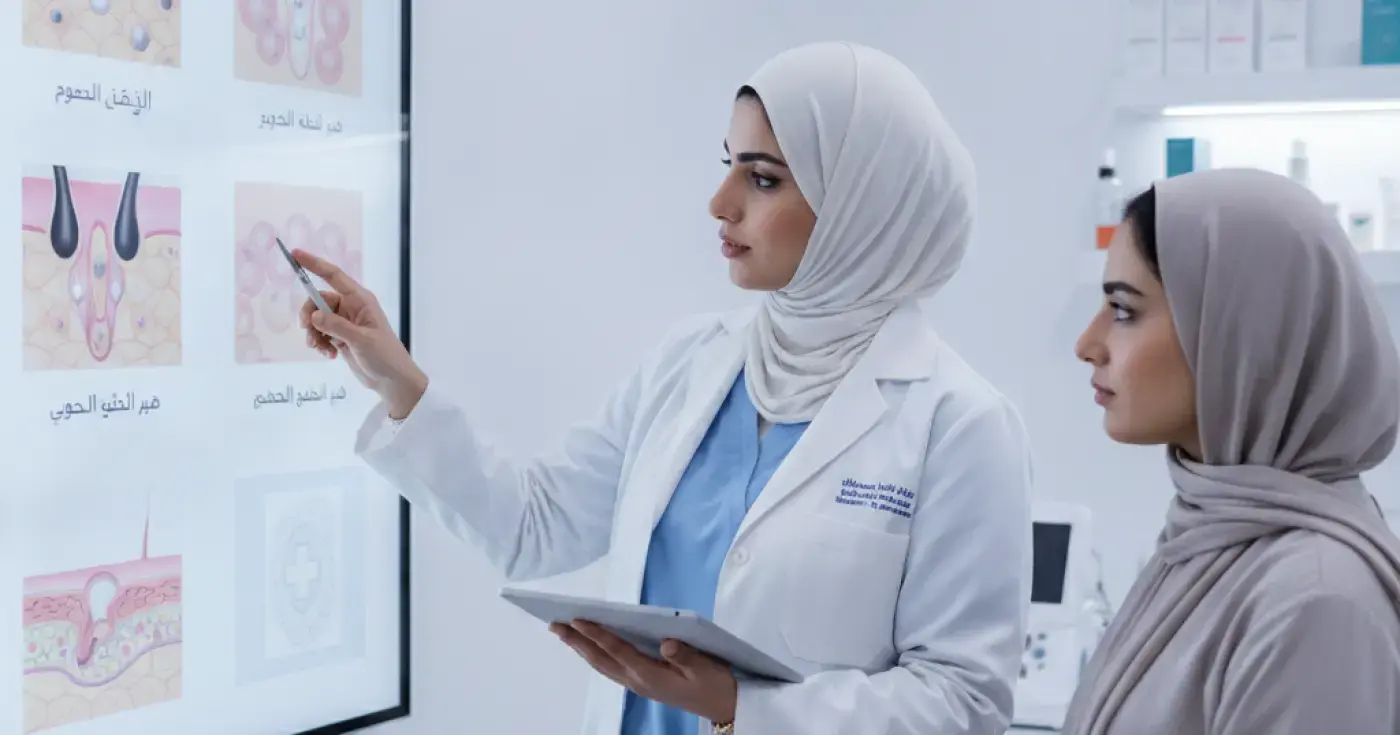
Learn about the different types of acne, from blackheads to cystic acne, and how dermatologists customize treatments for each specific case.
Read article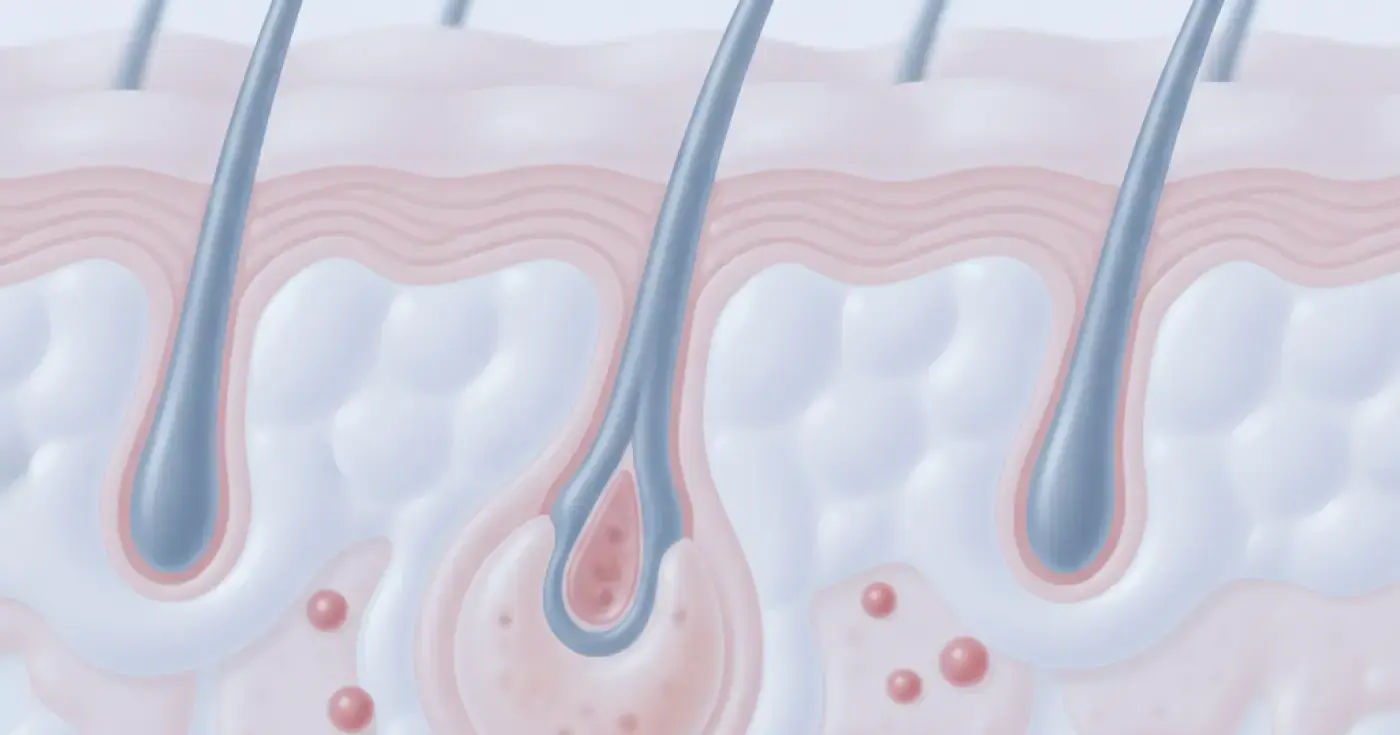
Discover the medical causes of acne, from hormonal shifts to genetics and lifestyle. Learn effective prevention and clinical treatments from LahaLak.
Read article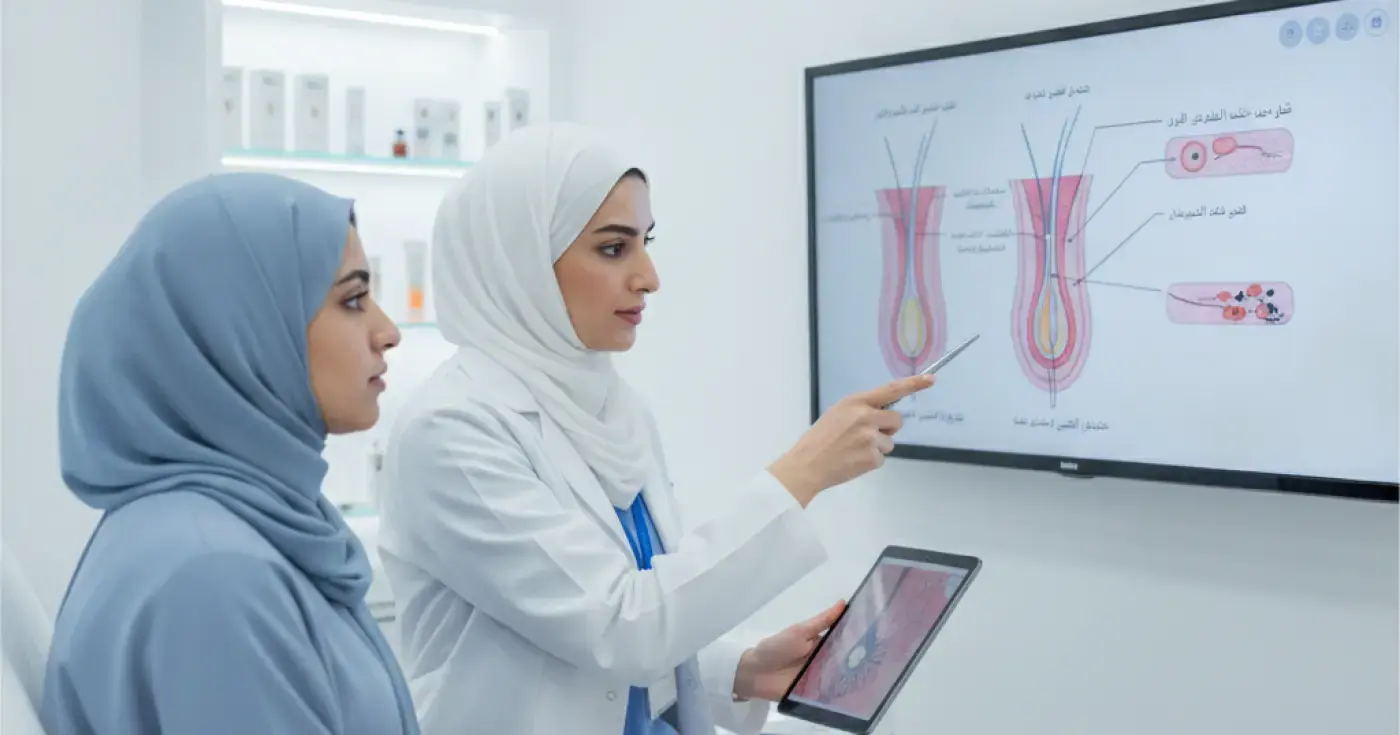
A comprehensive medical guide on acne: explore causes, clinical types, dermatologist-approved treatments, and daily skincare tips for healthy skin.
Read article