
Lahalak Medical PlatformDifferentiate Care
Learn about the different types of acne, from blackheads to cystic acne, and how dermatologists customize treatments for each specific case.
Advertisement
Acne vulgaris is one of the most prevalent skin conditions globally, affecting not only adolescents but also adults at various stages of life. It occurs when hair follicles become clogged with dead skin cells and excess sebum (oil), creating an ideal environment for acne-causing bacteria to thrive and trigger inflammation. Because acne manifests differently in every individual, understanding the specific types of acne is the essential first step in determining an effective and safe acne treatment plan under professional medical supervision.
Dermatologists classify acne into three primary severity levels based on the number, type, and distribution of lesions:
Non-inflammatory acne consists of clogged pores without active surrounding inflammation. These lesions typically respond well to topical treatments that promote cellular turnover:
These occur when the clogged pore remains open to the skin's surface. Exposure to air oxidizes the trapped sebum and melanin, turning it dark. This dark color is not caused by dirt, contrary to common misconceptions.
These form when dead skin cells and sebum completely block the pore opening just beneath the skin's surface, appearing as small, flesh-colored or white bumps.
Inflammatory acne develops when bacteria multiply within the blocked follicle, triggering an immune response and localized inflammation:
Small, red, solid bumps on the skin's surface that feel tender to the touch. They do not contain a visible head of pus at this stage.
Similar to papules but distinguished by a visible white or yellow center filled with pus, representing the immune system's response to bacterial infection.
Large, hard, painful lesions lodged deep within the skin. They require intensive medical treatment as they can damage surrounding tissues and lead to deep scars.
The most severe form of acne, consisting of large, painful, fluid-filled lesions deep beneath the surface. They cause persistent discomfort, carry a high risk of scarring, and require immediate medical intervention.
Beyond the standard classifications, certain acne presentations are linked to specific underlying causes:
The choice of treatment depends on the type of acne, its severity, and the patient's skin type. The table below outlines the standard clinical approach to managing different acne presentations:
| Acne Type | Severity | Topical Treatment Options | Oral / Systemic Treatment Options |
|---|---|---|---|
| Non-Inflammatory (Blackheads & Whiteheads) | Mild | Salicylic acid, Topical retinoids | Typically not required |
| Mild to Moderate Inflammatory (Papules & Pustules) | Moderate | Benzoyl peroxide, Topical antibiotics, Retinoids | Oral antibiotics (prescribed for a limited duration) |
| Severe Inflammatory (Nodules & Cysts) | Severe | Used primarily as supportive therapy to reduce surface irritation | Oral Isotretinoin, Hormonal therapies (for female patients) |
Topical therapies are the cornerstone of management for mild to moderate acne. Common active ingredients include:
When topical treatments prove insufficient, or in cases of severe acne, systemic medications may be prescribed:
In-office dermatological procedures can complement medical therapies and accelerate skin healing:
A consistent, gentle daily routine supports medical treatments and helps prevent new breakouts. Patients are advised to follow structured skincare for oily skin and acne-prone types:
It is highly recommended to consult a qualified dermatologist if acne is causing physical pain (such as deep nodules or cysts), if over-the-counter products fail to show improvement after 6 to 8 weeks, if lesions are leaving permanent scars or dark spots, or if the condition is significantly impacting self-esteem and emotional well-being.
Clear, direct answers
Advertisement
Continue exploring
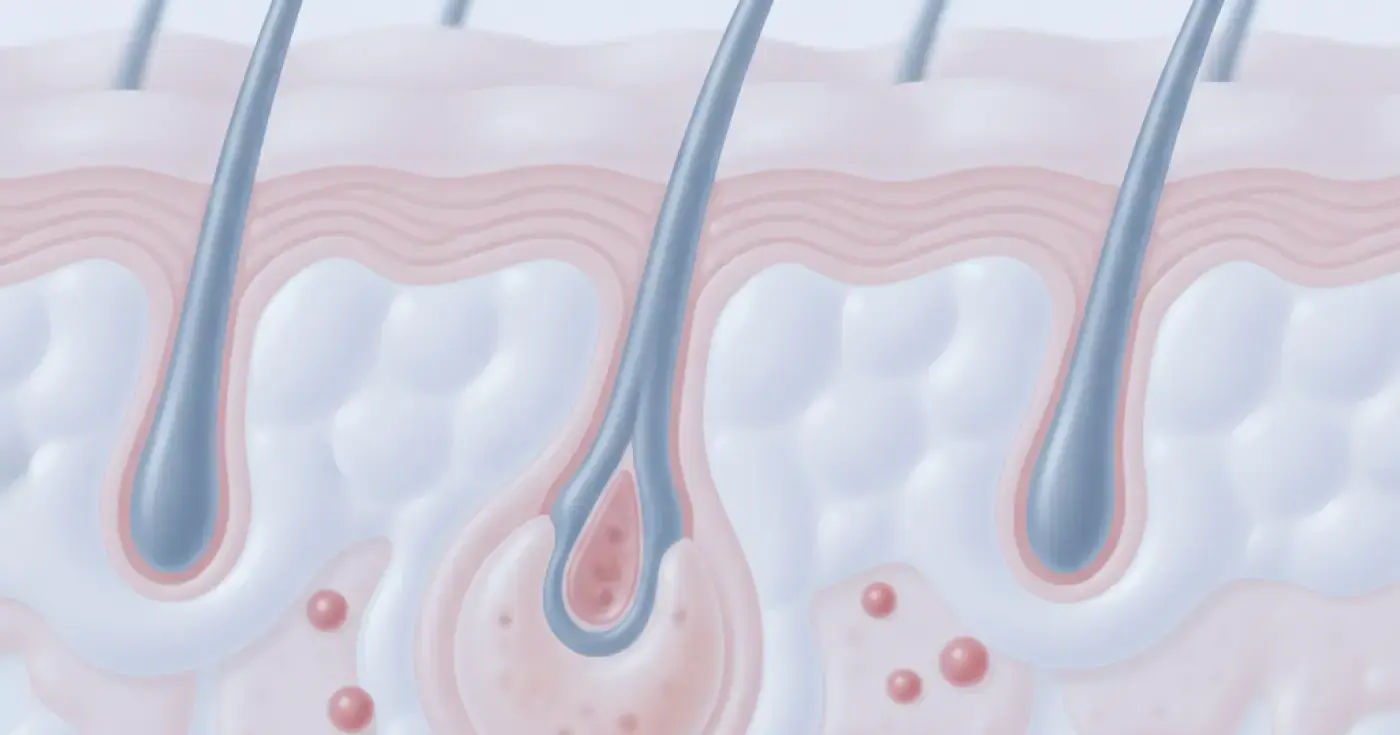
Discover the medical causes of acne, from hormonal shifts to genetics and lifestyle. Learn effective prevention and clinical treatments from LahaLak.
Read article
A comprehensive medical guide on acne: explore causes, clinical types, dermatologist-approved treatments, and daily skincare tips for healthy skin.
Read article
Learn why changes in birthmark or mole shape, size, or color require a dermatologist visit. Discover the ABCDE rule and skin self-exam tips.
Read article