
Lahalak Medical PlatformDifferentiate Care
Discover the medical causes of acne, from hormonal shifts to genetics and lifestyle. Learn effective prevention and clinical treatments from LahaLak.
Advertisement
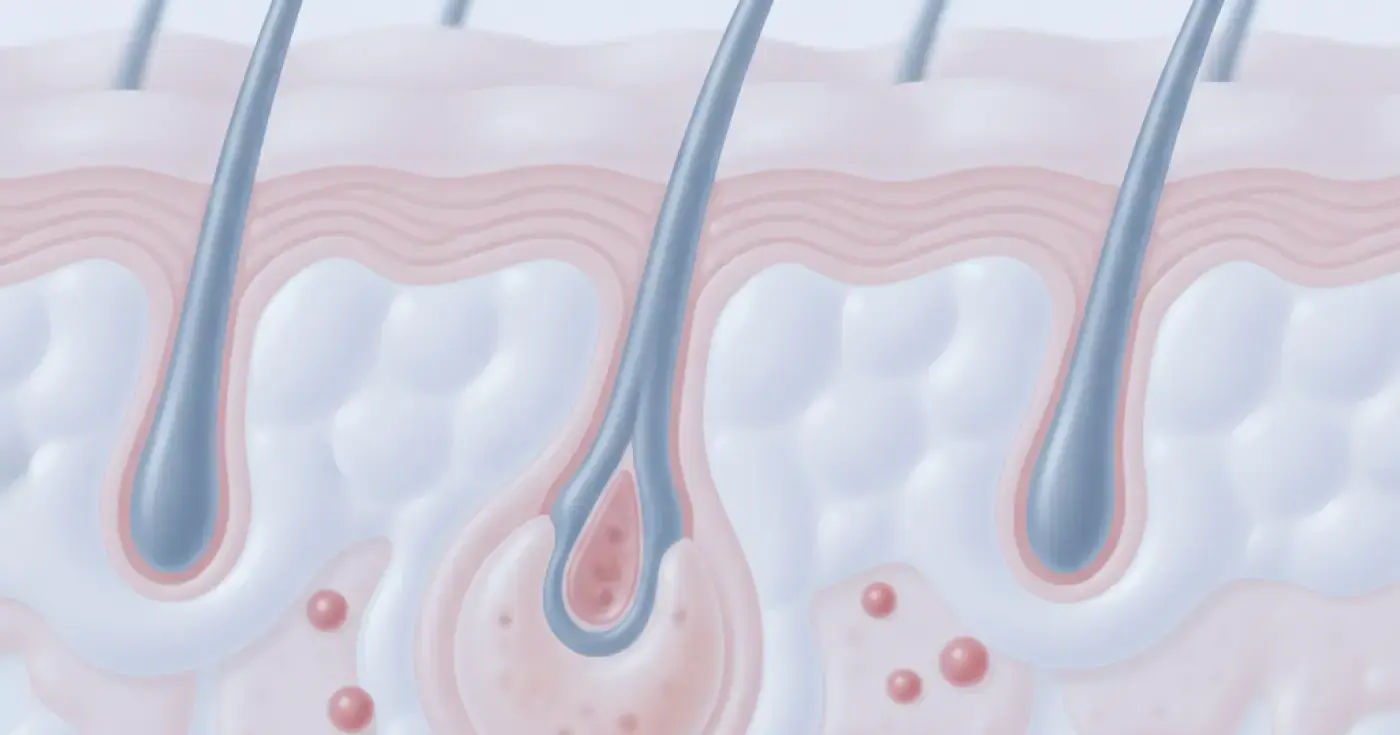
Acne vulgaris is one of the most prevalent dermatological conditions worldwide. It is not exclusive to teenagers; it can affect individuals of various age groups. Acne occurs when hair follicles become clogged with oil and dead skin cells, creating an ideal environment for bacterial growth and inflammation. To manage this condition effectively, it is essential to understand the biological mechanisms that trigger breakouts on the face, back, chest, and shoulders.
The skin contains sebaceous (oil) glands connected to hair follicles. These glands secrete an oily substance called sebum, which naturally lubricates and protects the skin. However, when sebum production accelerates and dead skin cells accumulate, pores become clogged. This blockage traps sebum inside the follicle, providing a nutrient-rich environment for the overgrowth of Cutibacterium acnes, the bacteria responsible for triggering localized inflammation and pimples.
Clinical research identifies four main factors that contribute to the development of acne:
Hormones play a pivotal role in regulating sebum production. Androgens (male hormones present in both men and women) are the primary stimulators of sebaceous glands. These hormones surge during puberty, explaining why acne is highly prevalent during adolescence. Additionally, women experience ongoing hormonal fluctuations that trigger breakouts during specific phases, including:
Genetics significantly influence an individual's susceptibility to acne, the size and activity of their sebaceous glands, and their inflammatory response. If one or both parents experienced severe acne, their children are statistically more likely to develop the condition. Genetic factors also dictate how aggressively the immune system reacts to acne-causing bacteria, determining whether breakouts remain mild or progress to deep, painful cysts.
While lifestyle factors are rarely the sole cause of acne, they can significantly exacerbate or improve the condition:
Certain external substances and medications can induce or worsen acne as a side effect:
Acne presents in several distinct forms, ranging from non-inflammatory to highly inflammatory lesions. The table below outlines their characteristics:
| Acne Type | Clinical Appearance | Primary Cause | Suggested Management |
|---|---|---|---|
| Blackheads (Open Comedones) | Small, dark spots on the skin surface; non-inflammatory | Pores clogged with sebum and keratin that oxidize when exposed to air | Gentle exfoliation using salicylic acid |
| Whiteheads (Closed Comedones) | Small, flesh-colored or white bumps; closed at the surface | Complete blockage of the pore beneath a thin layer of skin | Daily gentle cleansing; avoid squeezing |
| Papules | Small, red, raised bumps that are tender to the touch | Localized inflammation and irritation of the follicle wall | Topical anti-inflammatory treatments; medical evaluation |
| Pustules | Red bumps topped with white or yellow pus | Accumulation of white blood cells and pus due to bacterial activity | Avoid popping; apply targeted topical treatments |
| Nodules & Cysts | Large, deep, solid, and highly painful lumps under the skin | Severe, deep-seated inflammation that can lead to permanent scarring | Requires immediate dermatologist consultation for advanced therapies |
Acne should not be ignored, especially if it is severe or resistant to over-the-counter treatments. A professional medical evaluation is highly recommended if:
A dermatologist can customize a treatment plan based on the severity of the acne and your skin type. Common clinical interventions include:
Adopting healthy daily habits can significantly help control and prevent acne breakouts:
Clear, direct answers
Advertisement
Continue exploring

A comprehensive medical guide on acne: explore causes, clinical types, dermatologist-approved treatments, and daily skincare tips for healthy skin.
Read article
Learn why changes in birthmark or mole shape, size, or color require a dermatologist visit. Discover the ABCDE rule and skin self-exam tips.
Read article
A comprehensive medical guide on laser and surgical birthmark removal. Learn about pre-treatment preparation, procedure steps, and essential post-care.
Read article