Medical notice: this content is for health education and does not provide an individual diagnosis or replace appropriate medical consultation.
Introduction to Birthmarks and the Importance of Treatment
Birthmarks are colored skin markings that are either present at birth or develop shortly afterward. They vary widely in shape, size, and color, and are clinically classified into two main categories: vascular birthmarks (caused by abnormal blood vessels) and pigmented birthmarks (caused by an overgrowth of pigment-producing cells). While most birthmarks are harmless and considered natural features, some may require medical intervention for aesthetic, functional, or medical reasons.
Deciding to undergo treatment requires a clear understanding of the birthmark type and the available options. This comprehensive medical guide details what to expect before, during, and after birthmark treatment to ensure optimal results with the highest standards of clinical safety.
Common Types of Birthmarks and Indications for Treatment
Before initiating any treatment, a specialist must accurately classify the birthmark to determine the most appropriate protocol:
- Vascular Birthmarks: Such as hemangiomas (strawberry marks) and port-wine stains. These occur due to an abnormal accumulation of blood vessels under the skin.
- Pigmented Birthmarks: Such as café-au-lait spots, Mongolian spots, and Becker's nevi. These result from localized hyperactive melanocytes producing excess pigment.
The primary indications for treatment include:
- Medical Indications: When a birthmark grows rapidly and interferes with vital functions (such as vision or breathing if located near the eyes or nose), or when it is prone to recurrent bleeding and ulceration.
- Cosmetic and Psychological Indications: Especially when the birthmark is located on highly visible areas like the face or neck, which can impact self-esteem and social interactions.
- Prophylactic Reasons: In rare cases, large congenital pigmented nevi may require monitoring or preventive removal to mitigate the risk of malignant transformation.
Available Birthmark Treatment Options
Various medical techniques are utilized to treat birthmarks depending on their type and depth. The following table compares the most prominent modalities:
| Treatment Modality | Target Birthmark Type | Mechanism of Action | Expected Recovery Time |
|---|
| Laser Therapy | Vascular and Pigmented | Targets blood vessels or pigment cells with specific wavelengths to break them down without damaging surrounding tissue. | 5 to 10 days |
| Surgical Excision | Deep or Large Pigmented | Surgically removes the birthmark under local or general anesthesia and closes the wound with cosmetic sutures. | 10 to 14 days |
| Medical Therapy | Active Vascular (especially in infants) | Uses oral or topical beta-blockers (e.g., Propranolol) to shrink blood vessels. | Varies by treatment course |
| Cryotherapy | Small, Superficial Pigmented | Freezes the birthmark cells using liquid nitrogen to allow gradual shedding. | 7 to 10 days |
Pre-Treatment Phase: Preparation and Clinical Evaluation
The treatment journey always begins with a thorough consultation with a dermatologist. During this session, the patient undergoes a detailed clinical evaluation including:
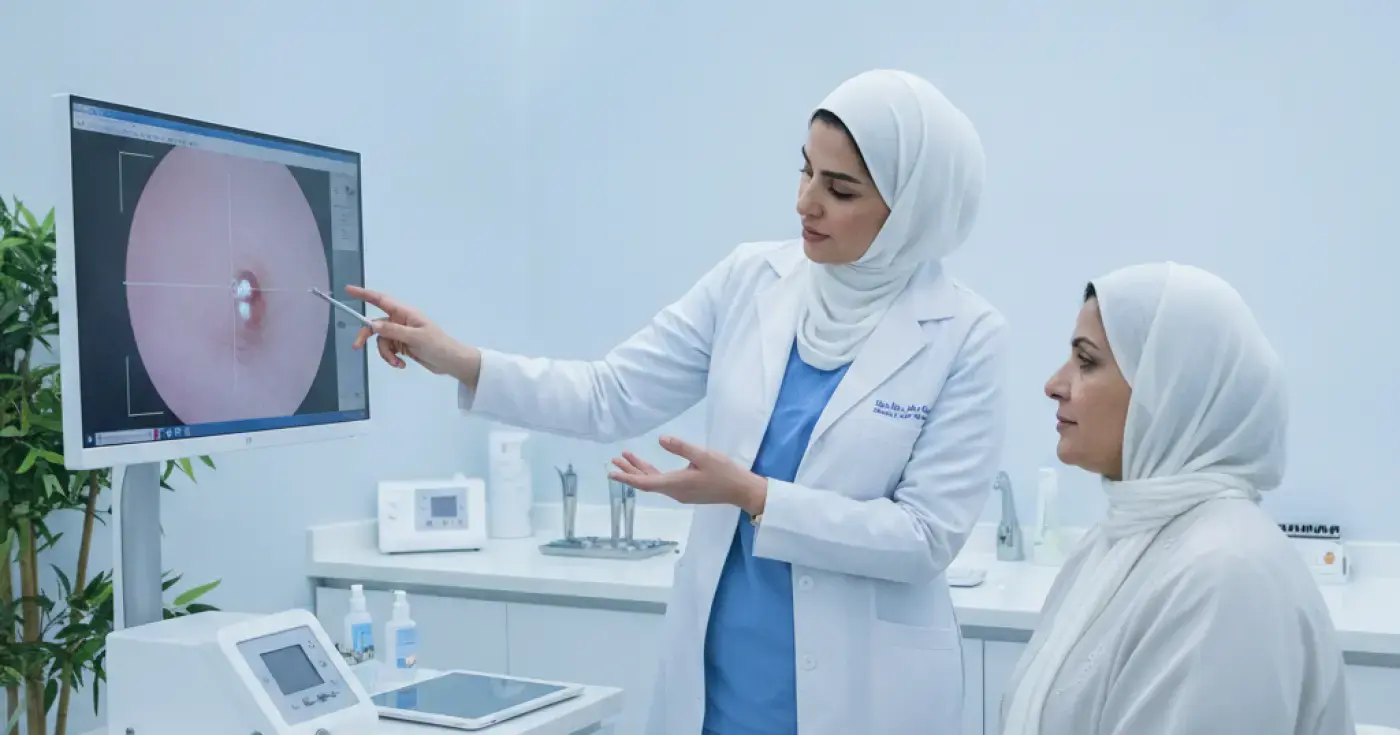
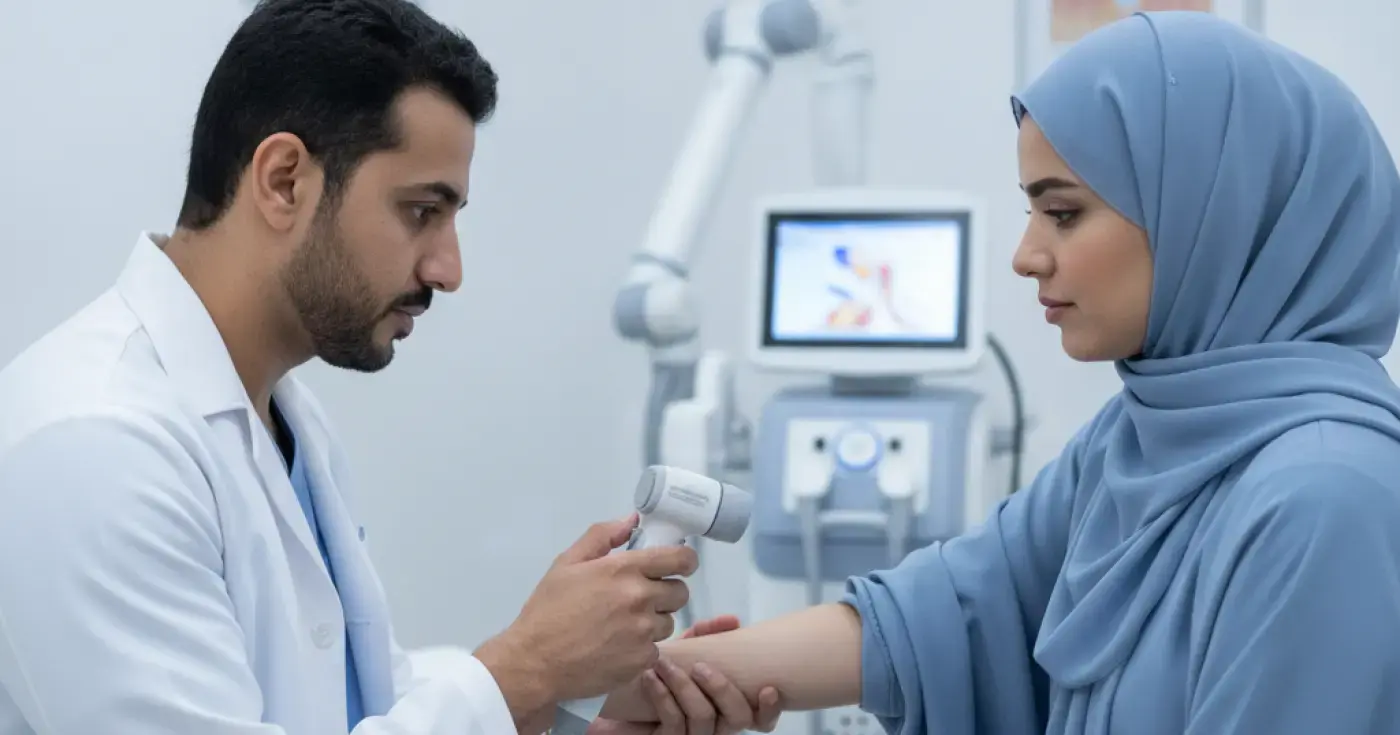
- Visual and Dermoscopic Examination: Using a dermoscope to assess the structure and depth of the birthmark.
- Medical History Review: Discussing family history of birthmarks, growth rate of the current lesion, and any associated symptoms like bleeding or itching.
- Skin Biopsy: In rare instances, if the physician suspects atypical cellular changes, a small tissue sample may be taken for laboratory analysis before proceeding.
Important Pre-Procedure Instructions:
To ensure safety and minimize complications, patients should strictly adhere to the following guidelines prior to their appointment:
- Avoid direct sun exposure and apply broad-spectrum sunscreen for at least two weeks before the session.
- Discontinue skincare products containing retinol or chemical exfoliants at least 5 days prior to the procedure.
- Inform your doctor of all medications and supplements you are taking, especially blood thinners like aspirin, which may need to be temporarily paused.
- Ensure the target area is free from any active infections or inflammation on the day of the procedure.
The Day of the Procedure: What Happens at the Clinic?
Most birthmark removal procedures, particularly laser birthmark treatment, are performed as outpatient procedures and do not require hospitalization. The typical steps include:
- Preparation and Cleansing: The target area is thoroughly cleansed and sanitized to prevent infection.
- Anesthesia: A topical numbing cream is applied 30 to 60 minutes before the session to minimize discomfort. For young children or large birthmarks requiring surgery, general anesthesia may be used.
- Performing the Procedure: The physician directs the laser beams or begins the surgical intervention. During laser pulses, patients typically feel a mild snapping sensation, similar to a rubber band against the skin.
- Cooling and Soothing: Immediately following the session, cold compresses or a soothing gel are applied to reduce heat and redness.
Immediate Post-Treatment Phase (The First Few Days)
Post-procedure skin care is critical in determining the final outcome and preventing adverse effects. Here is what to expect and how to manage it:
Normal Expected Symptoms:
- Redness and Mild Swelling: Similar to a mild sunburn, typically lasting 24 to 48 hours.
- Darkening and Crusting: Pigmented birthmarks treated with laser may darken before forming fine crusts that naturally flake off within 7 to 10 days.
- Mild Bruising: Common after certain vascular lasers (like pulsed dye laser) and usually resolves spontaneously within two weeks.
Immediate Home Care Protocol:
- Apply cold compresses wrapped in a clean cloth to the treated area for 10-15 minutes every two hours to reduce swelling.
- Regularly apply prescribed moisturizing and anti-inflammatory creams to promote healing.
- Avoid washing the area with hot water or using scented soaps; use a gentle, soap-free cleanser instead.
- Never pick, scratch, or peel off any crusts; let them shed naturally to avoid scarring or post-inflammatory hyperpigmentation.
Long-Term Aftercare and Results
Once the initial symptoms subside, the deeper layers of the skin begin to regenerate. This phase requires absolute commitment to skin protection:
- Strict Sun Protection: Newly treated skin is highly susceptible to UV damage. Apply a broad-spectrum sunscreen (SPF 50+) daily, reapply every two hours when outdoors, and wear protective clothing.
- Continuous Moisturization: Keeping the skin hydrated accelerates healing and improves the elasticity of the new tissue.
- Follow-up Sessions: Birthmarks rarely disappear in a single session. Most cases require a series of 3 to 8 sessions, spaced 4 to 6 weeks apart, to allow the skin sufficient time to heal and regenerate.
Potential Risks, Complications, and Prevention
While birthmark removal is highly safe when performed by qualified specialists, potential risks include:
- Pigmentary Changes: The treated skin may temporarily or permanently become darker (hyperpigmentation) or lighter (hypopigmentation) than the surrounding skin.
- Scarring: A rare risk that typically occurs due to picking at crusts, poor wound care, or following complex surgical excision of birthmarks.
- Infection: Bacterial infection can occur if the area is not kept clean. Signs include worsening pain, severe redness, persistent swelling, or pus discharge.
To minimize these risks, choose a licensed medical center with experienced dermatologists and strictly follow all aftercare instructions.
When to Contact Your Doctor Immediately
Contact your clinic or seek medical attention promptly if you experience any of the following warning signs after treatment:
- A fever or chills.
- Severe, worsening pain that does not respond to prescribed analgesics.
- Continuous bleeding from the treated site that does not stop with light pressure.
- Signs of infection, such as pus or an unpleasant odor from the wound.
Remember, close monitoring and early intervention in case of any concerns ensure your safety and preserve the success of your treatment.