
Lahalak Medical PlatformDifferentiate Care
Can preeclampsia occur after giving birth? Learn about postpartum preeclampsia symptoms, severe headache, vision changes, and medical care in Saudi Arabia.

Advertisement
The postpartum period is a time of profound physical and hormonal changes for a mother. While most mothers focus entirely on caring for their newborn, it is crucial not to overlook maternal self-care and monitor any unusual physical symptoms. One of the most critical medical conditions requiring vigilance is postpartum preeclampsia.
Postpartum preeclampsia is a serious medical condition characterized by high blood pressure and excess protein in the urine (proteinuria) or signs of organ damage, such as to the liver or kidneys, occurring after childbirth—typically within the first few weeks. Although preeclampsia is traditionally associated with pregnancy, its onset after delivery is a proven clinical reality that requires immediate medical intervention to protect the mother's life.
Yes, preeclampsia can definitely develop after childbirth. Clinical studies indicate that most cases of postpartum preeclampsia develop within the first 48 hours after delivery. However, it can also manifest at any time up to six weeks postpartum, a condition medically referred to as "late-onset postpartum preeclampsia."
It is important to note that this condition can affect women who had normal blood pressure and no health complications throughout their pregnancy. While the exact causes remain unclear, medical experts believe it is linked to blood vessel adaptation issues after placenta delivery, fluid shifts, or systemic inflammatory responses affecting the vascular lining.
Some normal symptoms of postpartum fatigue overlap with the warning signs of preeclampsia, making it vital for mothers and their families to recognize the specific red flags that warrant immediate medical evaluation:
To help distinguish between normal postpartum recovery changes and symptoms indicating a real risk requiring pregnancy care, the following table outlines the key differences:
| Symptom | Normal Postpartum Fatigue | Postpartum Preeclampsia Warning Signs (Requires Immediate Action) |
|---|---|---|
| Headache | Mild to moderate, resolves with rest, hydration, and simple analgesics. | Very severe, persistent, throbbing, and unresponsive to standard medications. |
| Vision | Completely normal; unaffected by general exhaustion. | Blurred vision, double vision, seeing flashing spots, or light sensitivity. |
| Swelling | Mild, gradual swelling localized in the feet and ankles, improving with elevation. | Sudden, severe swelling in the face, hands, and around the eyes that does not improve with rest. |
| Abdominal Pain | Mild uterine cramping (afterpains), especially during breastfeeding. | Severe, sharp pain in the upper right abdomen directly under the rib cage. |
| Blood Pressure | Stable and within normal limits (under 120/80 mmHg). | Significantly elevated (140/90 mmHg or higher on two separate readings). |
When presenting to the doctor or emergency department with suspected postpartum preeclampsia, the patient will undergo targeted diagnostic tests to confirm the condition and assess organ function. These tests include:
In the Kingdom of Saudi Arabia, government hospitals and primary healthcare centers provide comprehensive postpartum care and complication management free of charge for citizens and eligible residents. In the private sector, costs vary based on the facility and required services:
Experiencing postpartum preeclampsia increases the risk of recurrence in future pregnancies. Therefore, early medical follow-up is of paramount importance. Mothers should plan ahead with their obstetrician before their next pregnancy, discussing preventive strategies such as low-dose aspirin (under direct medical supervision) starting from the first trimester, alongside close blood pressure monitoring, weight management, and maintaining a healthy lifestyle.
Always remember that awareness of symptoms and early intervention are the ultimate keys to preventing severe complications like postpartum eclampsia (seizures) or stroke, ensuring a safe and healthy motherhood journey with your baby.
Short answers that help clarify the key points related to this article.
Advertisement
Helpful services
Subscribe for new educational pregnancy and birth content from LahaLak.
Compare hospitals and prices by city and birth type, then continue to booking with clear steps.
From LahaLak guide

Elixir
A comprehensive guide to understanding high-risk pregnancy. Learn about medical factors, specialized care, and clinical insights to protect you and your baby.
Read article
Elixir
Learn how artificial intelligence and advanced technologies help monitor high-risk pregnancies and protect mothers and babies from complications.
Read articleConnected next steps
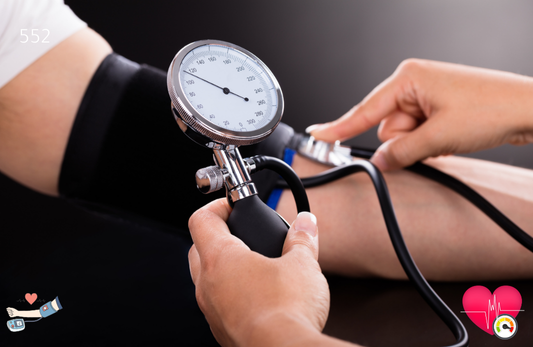 Blood Pressure Monitoring for TelmisartanRegular blood pressure monitoring to evaluate response to Telmisartan, ensuring optimal hypertension control and protecting the heart and kidneys from the long-term complications of high blood pressure.
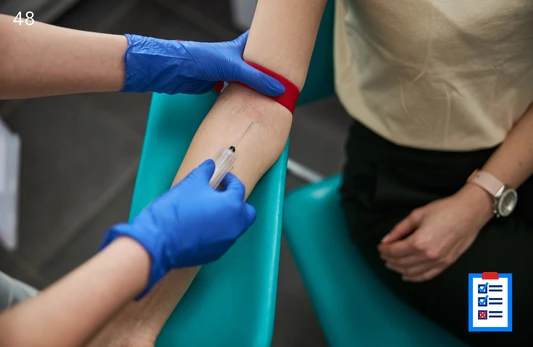 Complete Blood Count (CBC)A comprehensive test measuring key blood components to detect anemia and infections, providing a precise overview of your general health and daily vitality.