Lahalak Medical PlatformDifferentiate Care
Learn how artificial intelligence and advanced technologies help monitor high-risk pregnancies and protect mothers and babies from complications.
Advertisement
Pregnancy is a critical phase that requires precise medical care, especially in high-risk cases where health complications may affect the mother or the fetus. With rapid technological advancements, artificial intelligence (AI) has emerged as a revolutionary tool supporting healthcare providers in delivering highly accurate, preventive, and personalized care.
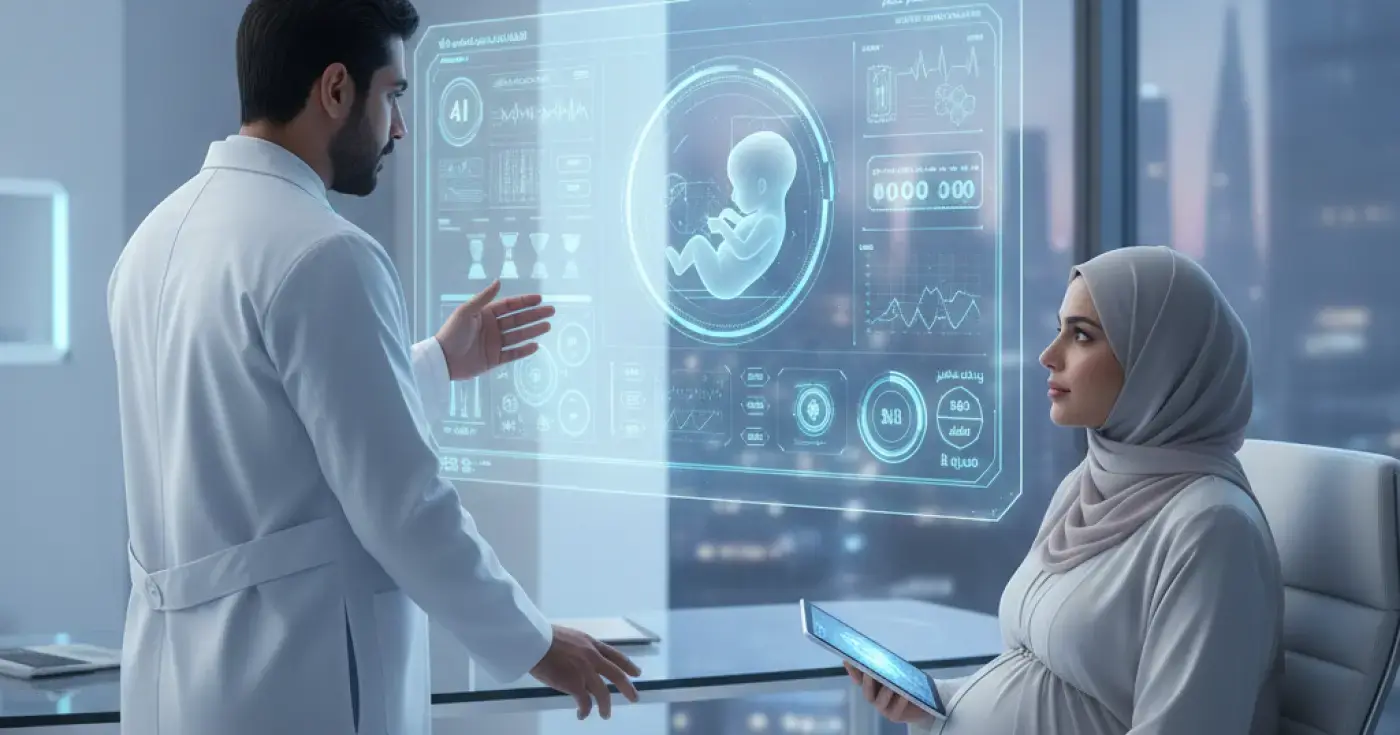
A high-risk pregnancy refers to cases where the mother or fetus has an increased likelihood of complications due to factors such as advanced maternal age, or pre-existing conditions like diabetes and hypertension. AI technologies assist by analyzing massive datasets, including fetal heart rate patterns, maternal blood pressure trends, and laboratory results. Through these smart algorithms, potential risks like preeclampsia or preterm labor can be predicted before clear clinical symptoms manifest.
Regular prenatal visits are essential for a safe pregnancy. A pregnant woman must contact her doctor immediately if she experiences unusual symptoms such as persistent severe headaches, vision changes, sudden swelling in the extremities, or a decrease in fetal movement. Utilizing smart monitoring devices connected to clinics helps send immediate alerts to doctors if any abnormal vital signs are detected.
In daily clinical practice, many mothers express anxiety regarding the accuracy of smart devices and whether they might replace physical doctor visits. From patient experiences, we emphasize that these technologies are supportive tools that enhance clinical decision-making and provide extra peace of mind, but they never replace direct clinical examinations and the human touch of your physician.
Despite the significant benefits of modern technology, potential challenges exist. Over-reliance on home monitoring devices can increase maternal anxiety due to occasional false readings or non-medical misinterpretation of data. Because risks vary from one patient to another based on general health and medical history, it is vital to follow professional medical guidance and avoid making clinical decisions based solely on smart applications.
We advise every mother with a high-risk pregnancy to strictly adhere to her scheduled medical appointments, use only doctor-approved smart home monitoring devices, and maintain a balanced, healthy lifestyle while avoiding unnecessary stress.
Please note that the information in this article is for general health education purposes only and is not a substitute for professional medical advice, diagnosis, or treatment.
Clear, direct answers
Advertisement
Continue exploring
Explore the topic