
Lahalak Medical PlatformDifferentiate Care
Learn about postpartum fever, endometritis, C-section wound infections, and critical warning signs that require immediate medical attention.
Advertisement
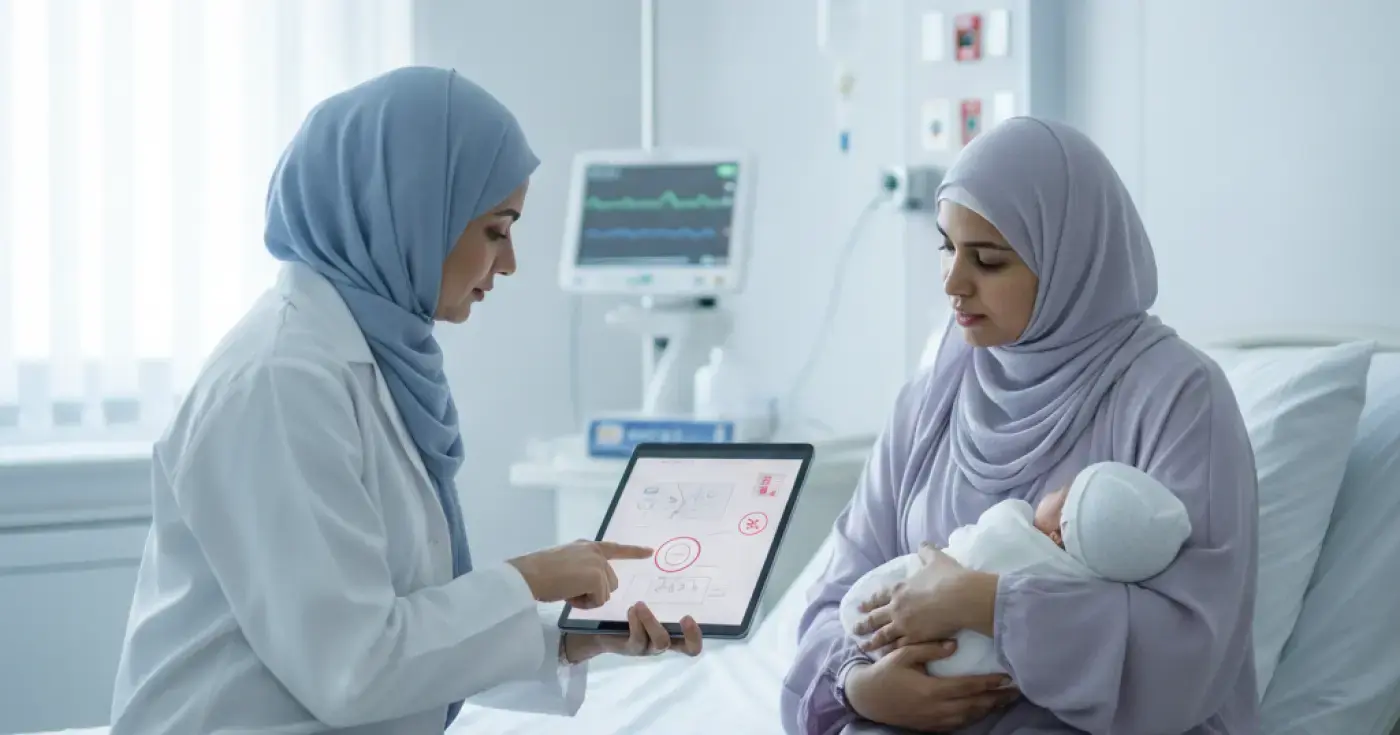
The postpartum period, often referred to as the puerperium, is a time of profound physiological recovery and transition. While most mothers recover without major issues, some may experience postpartum complications. One of the most critical clinical indicators of a complication is postpartum fever, historically known as puerperal pyrexia.
Postpartum fever is clinically defined as a temperature of 38°C (100.4°F) or higher occurring on any two of the first ten days following delivery, excluding the first 24 hours. While a mild, transient temperature spike in the first 24 hours can be a normal reaction to dehydration or physical exertion during labor, a persistent or late-onset fever is a strong warning sign of an underlying infection that requires immediate medical evaluation.
Postpartum infections can originate in various parts of the body due to the physical trauma of delivery, invasive procedures, or physiological changes. The primary causes include:
Endometritis is an infection of the inner lining of the uterus. It is the most common cause of postpartum fever. During delivery, especially after the placenta detaches, the uterine cavity is highly susceptible to ascending bacteria from the lower genital tract. The risk is significantly higher following a cesarean birth compared to a vaginal delivery, and is also increased by prolonged rupture of membranes or multiple vaginal examinations during labor.
Surgical incisions from a C-section or perineal tears/episiotomies from vaginal births are vulnerable to bacterial contamination. A wound infection typically manifests as localized redness, swelling, warmth, worsening pain, and sometimes purulent discharge (pus) from the incision site.
UTIs are common after childbirth, often triggered by the use of urinary catheters during labor, epidural anesthesia (which can temporarily decrease bladder sensitivity and lead to urine retention), or trauma to the bladder and urethra during delivery.
Mastitis is an infection of the breast tissue, usually occurring within the first few weeks of breastfeeding. It is often caused by a clogged milk duct or cracked nipples that allow bacteria to enter. Symptoms include a painful, hard, red area on the breast, accompanied by high fever and flu-like body aches.
If left untreated, localized postpartum infections can rapidly progress into a life-threatening systemic condition known as sepsis (blood poisoning). Sepsis occurs when the body's response to an infection damages its own tissues. Mothers and caregivers must seek immediate emergency medical care if any of the following red flags appear:
The following table summarizes the key differences between common postpartum infections to help mothers identify symptoms early:
| Infection Type | Common Symptoms | Severity Level | Required Action |
|---|---|---|---|
| Endometritis | Fever, lower abdominal pain, foul-smelling lochia (discharge). | High | Urgent medical evaluation and intravenous or oral antibiotics. |
| C-Section Wound Infection | Redness, swelling, localized pain, pus or drainage from the incision. | Moderate to High | Clinical wound assessment, cleaning, and targeted antibiotics. |
| Urinary Tract Infection | Pain or burning during urination, frequent urge to urinate, pelvic discomfort. | Moderate | Urinalysis and urine culture followed by appropriate antibiotics. |
| Mastitis | Painful, red, warm breast lump, fever, body aches, chills. | Moderate | Continued breastfeeding, warm compresses, and lactation-safe antibiotics. |
It is highly dangerous to take leftover antibiotics or self-prescribe medication when experiencing a postpartum fever. This practice poses several clinical risks:
When presenting with a postpartum fever, a physician will perform a comprehensive diagnostic workup, which typically includes:
In Saudi Arabia, postpartum complications are managed with high standards of care. These services are provided free of charge to citizens in government hospitals. In the private healthcare sector, estimated out-of-pocket costs (subject to hospital class and insurance coverage) generally range as follows:
Preventing postpartum infections involves strict hygiene practices and proper self-care during recovery:
Short answers that help clarify the key points related to this article.
Advertisement
Helpful services
Subscribe for new educational pregnancy and birth content from LahaLak.
Compare hospitals and prices by city and birth type, then continue to booking with clear steps.
From LahaLak guide

Medical article
Discover how psychological counseling helps mothers overcome breastfeeding challenges, postpartum anxiety, and the pressure of perceived failure.
Read article
Medical article
Discover the differences between postpartum doulas, home midwives, and lactation consultants, and the Saudi MOH recommended postpartum care schedule.
Read articleConnected next steps
 C-Reactive Protein, Quantitative (CRP)Accurate measurement of CRP levels in the blood to detect inflammation or infection, helping assess your health status and clearly monitor the effectiveness of various treatments.
 Home Nursing ServicesProfessional nursing care including vital signs monitoring and wound care at home, accelerating recovery and providing a safe, comfortable environment for the patient.
 Mastitis Prevention and Early Management ProgramSafeguard your breastfeeding journey with our comprehensive mastitis prevention program, specifically designed to provide immediate clinical care and effective engorgement solutions ensuring both your comfort and your baby's health.