
Lahalak Medical Platform
Explore paternal skin-to-skin contact when maternal contact is delayed after birth. Learn about safety guidelines, benefits, and hospital practices.

Immediate, continuous skin-to-skin contact between a mother and her newborn is the gold standard recommended globally following childbirth. It aids in neonatal thermoregulation, stabilizes vital signs, and facilitates early breastfeeding. However, clinical scenarios sometimes arise where immediate maternal holding is medically unfeasible or temporarily delayed.
In these circumstances, paternal skin-to-skin contact serves as an effective supportive alternative. Placing the unclothed newborn (wearing only a diaper and a warm blanket covering the back) directly against the father's bare chest offers crucial physiological stability and comfort while the mother recovers.
Alternative paternal skin-to-skin contact involves the father or a designated primary caregiver providing direct skin contact to the newborn when maternal contact is not immediately possible. Neonatologists and pediatric care teams recognize this intervention not merely as a bonding gesture but as a clinically supportive measure that assists the baby's transition to extrauterine life.
Several medical circumstances may require a temporary pause in direct maternal-infant contact. Clinical decisions are individualized and guided by the healthcare team providing pregnancy and delivery care. Common scenarios include:
Clinical evidence highlights several physiological and psychological advantages of paternal skin-to-skin contact for both the infant and the father:
While paternal skin-to-skin care offers clear supportive benefits, it is clinically essential to understand its parameters. Paternal contact does not replicate all biological mechanisms of maternal contact, such as initiating lactation. The table below highlights key comparison points:
| Feature | Maternal Skin-to-Skin Contact | Paternal Skin-to-Skin Contact (Temporary Alternative) |
|---|---|---|
| Thermoregulation & Respiration | Highly effective; regulated by maternal physiological feedback | Effective; maintains thermal stability and steady breathing |
| Breastfeeding Initiation | Triggers oxytocin release and stimulates early latching | Does not stimulate lactation; aids in calming the infant |
| Microbiome Colonization | Transfers maternal skin flora tailored for infant gut immunity. | Transfers paternal skin flora; safe and beneficial for immunity |
| Primary Clinical Objective | Gold standard immediate care after delivery | Supportive bridge when maternal contact is delayed |
To ensure infant safety during paternal skin-to-skin contact, specific precautions must be observed under medical supervision:
Facilities across the Kingdom of Saudi Arabia follow specific operational and clinical policies regarding companion access in delivery rooms and recovery suites following a cesarean delivery. Paternal participation depends on several factors:
Parents are encouraged to discuss their preferences in advance as part of their birth planning with their attending clinical team.
The primary clinical goal remains transitioning the infant to the mother as soon as she is medically stable and capable of holding her baby safely. Temporary paternal contact prepares and calms the infant, paving the way for a smooth transition to maternal skin-to-skin contact and early breastfeeding attempts.
Once the mother is ready, nursing staff and lactation consultants can provide postpartum consultation and guidance on safe positioning and nursing techniques.
Paternal skin-to-skin contact is a valuable, evidence-based supportive intervention during the immediate postpartum period when maternal contact is temporarily delayed. While it successfully aids newborn stabilization and thermal control, it must be performed strictly following safety guidelines under professional supervision. Ultimately, paternal skin-to-skin contact serves as a helpful bridge until maternal-infant care can safely resume.
Short answers that help clarify the key points related to this article.
Helpful services
Subscribe for new educational pregnancy and birth content from LahaLak.
Compare hospitals and prices by city and birth type, then continue to booking with clear steps.
From LahaLak guide

Medical article
Learn evidence-based guidelines on skin-to-skin contact duration after birth, the golden hour, early breastfeeding, and safety considerations.
Read article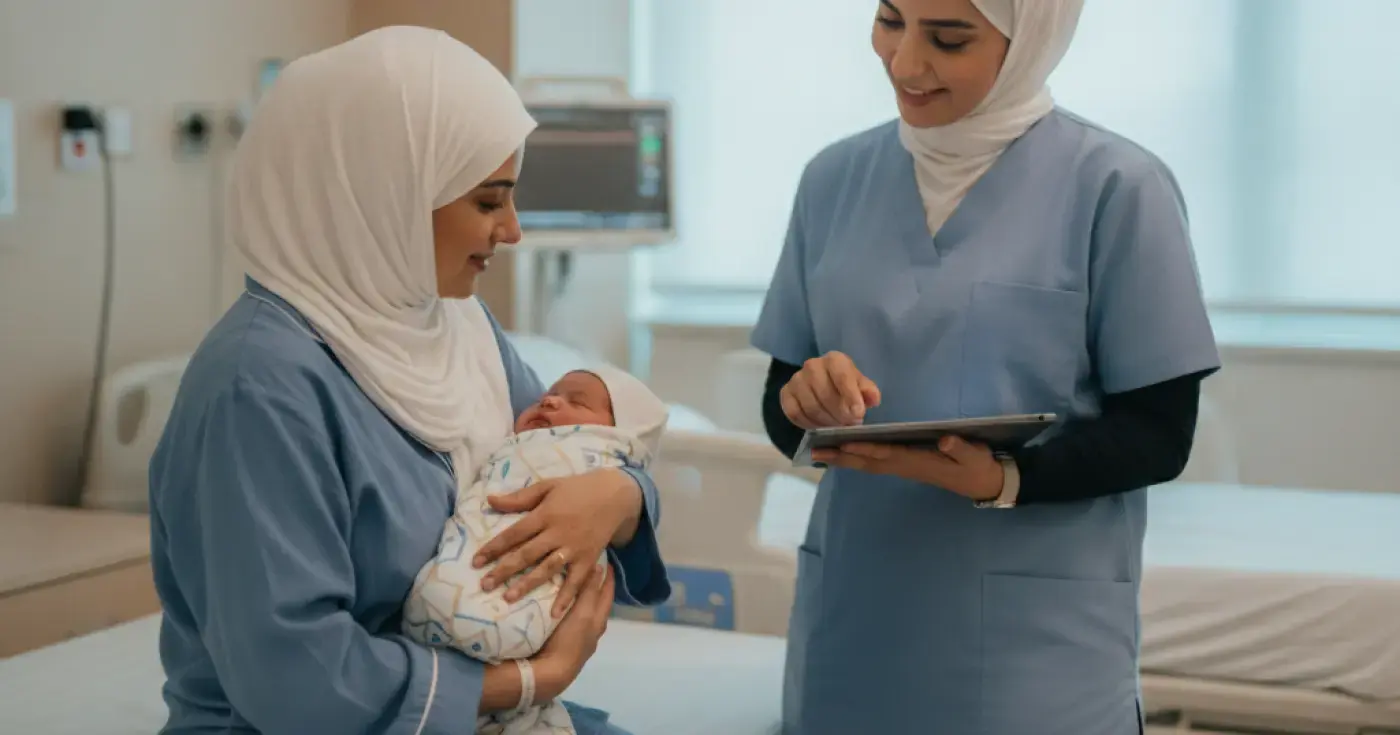
Medical article
Understand how delayed skin-to-skin contact affects mother-baby bonding, common medical reasons, and practical ways to build a safe emotional connection.
Read article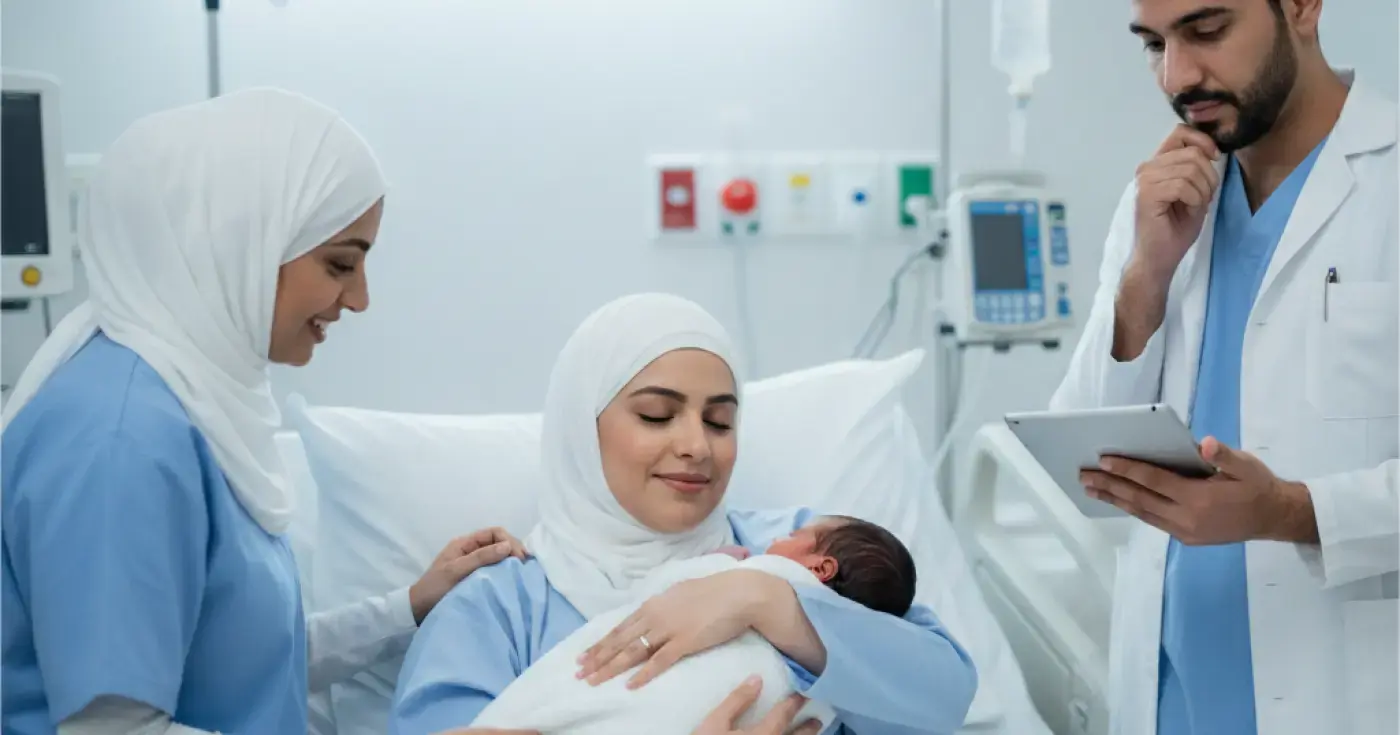
Medical article
Learn about the safety, conditions, and timing of skin-to-skin contact after cesarean birth, including anesthesia factors and infant monitoring.
Read articleConnected next steps
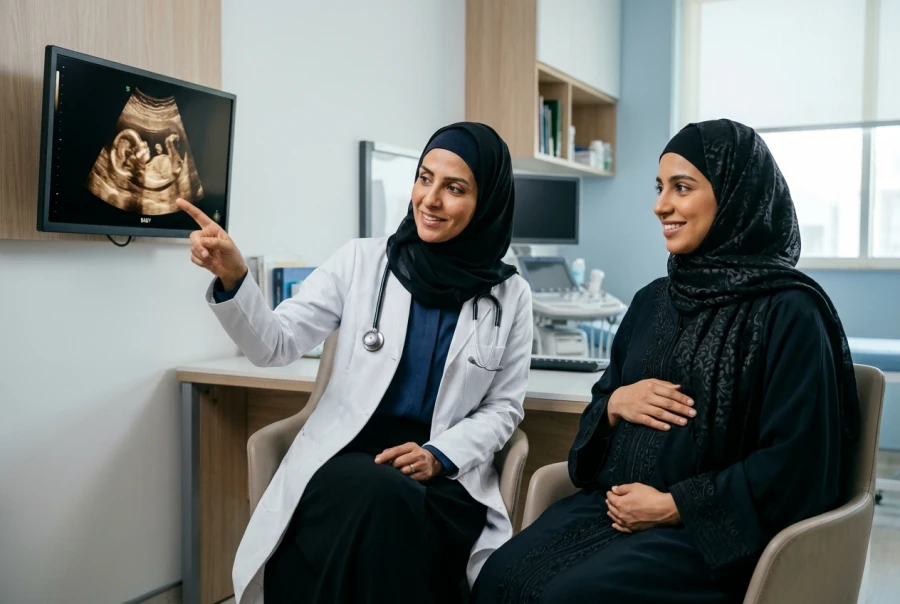 Six Month Obstetric Prenatal Monitoring ProgramEnsure a safe and healthy maternity journey with our tailored 6-month pregnancy monitoring package. LahaLak connects you with top-tier obstetricians and gynecologists across Saudi Arabia for routine check-ups, precise lab tests, and ultrasound scans. Book your comprehensive care package today and enjoy peace of mind for you and your baby.
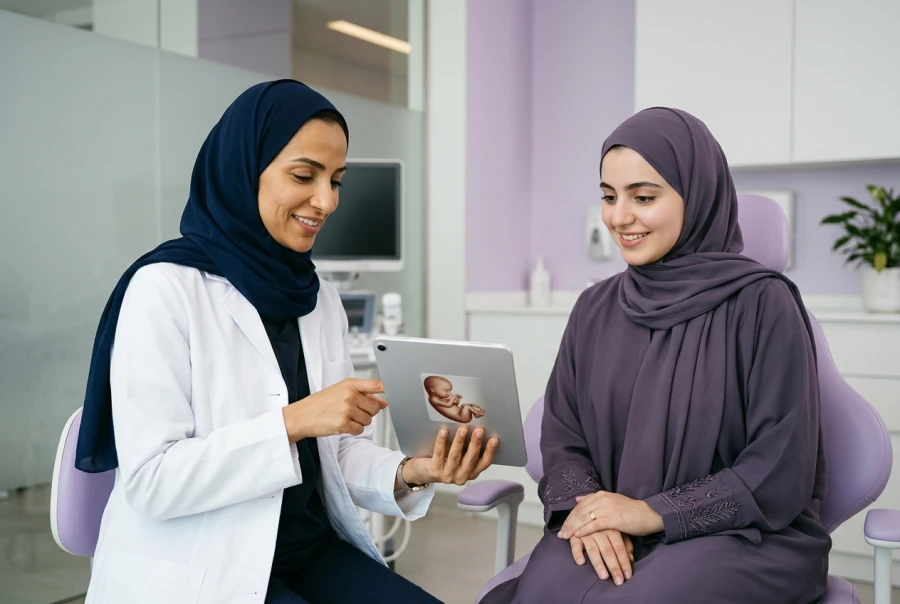 Three Month Obstetric Prenatal Monitoring ProgramEnsure a safe and healthy maternity journey with our tailored 3-month pregnancy monitoring package. LahaLak connects you with top-tier obstetricians and gynecologists across Saudi Arabia for routine check-ups, precise lab tests, and ultrasound scans. Book your comprehensive care package today and enjoy peace of mind for you and your baby.