
Lahalak Medical Platform
Discover natural birth positions, their physiological benefits, epidural impacts, and how to safely choose positions with your clinical team.
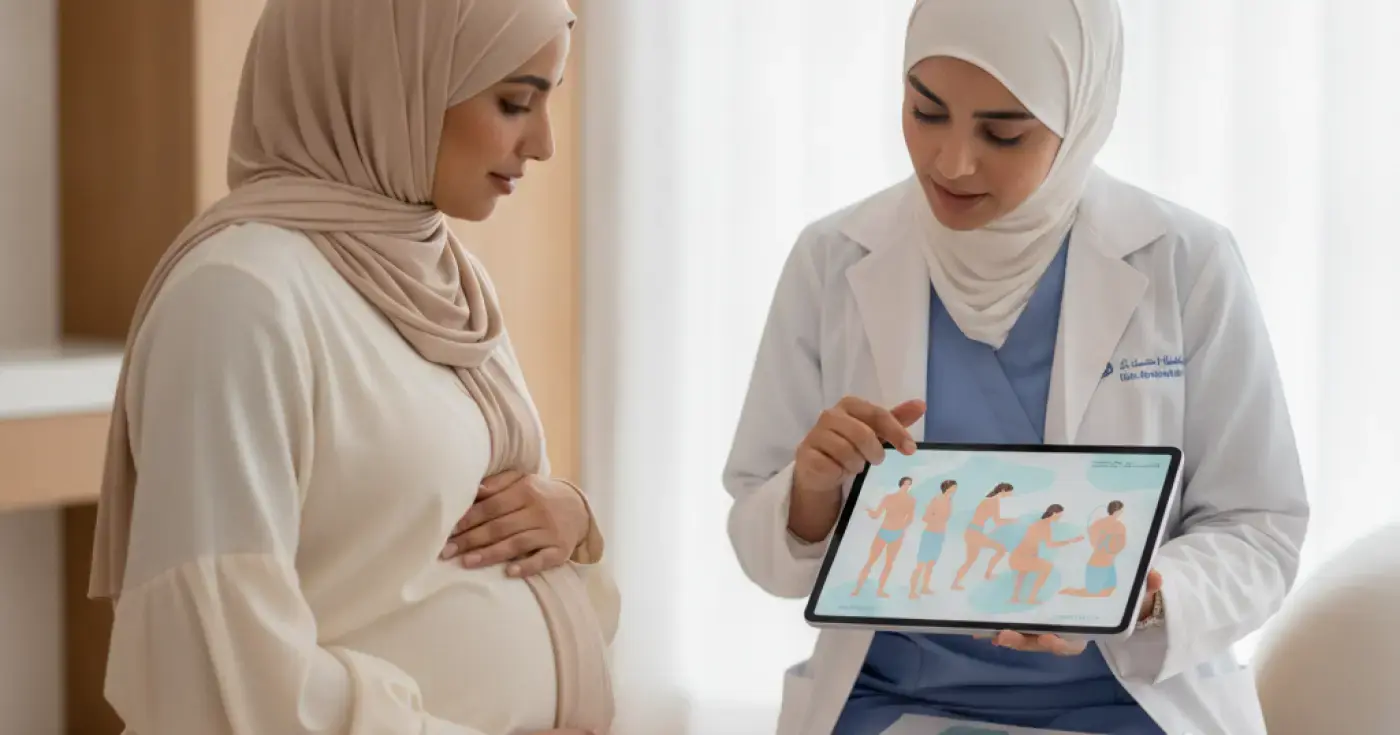
Vaginal birth is a unique physiological process that varies significantly from one woman to another. For decades, the standard perception of childbirth involved lying flat on one's back. However, modern obstetric guidelines, including those from the National Institute for Health and Care Excellence (NICE), emphasize supporting women to adopt comfortable maternal positions during labor and delivery, provided that maternal and fetal well-being are fully preserved during vaginal delivery.
The primary aim of exploring different birthing positions is to facilitate pelvic mobility, utilize gravity when appropriate, and alleviate discomfort associated with uterine contractions while adhering to strict safety protocols within healthcare facilities.
While the supine position (lying flat on the back) remains common in hospital settings because it provides clinicians with easy access for examinations and monitoring, it is not the only option for every woman. Clinical research indicates that prolonged flat supine positioning can cause the gravid uterus to compress the inferior vena cava and aorta, potentially leading to maternal hypotension and reduced placental perfusion in certain cases.
Consequently, current medical recommendations advocate minimizing continuous flat supine positioning in favor of side-lying or semi-upright postures that optimize blood flow, while acknowledging that specific medical clinical scenarios or emergency fetal monitoring may still require specific positions designated by the care team.
Several maternal positions can be utilized during labor and pushing phases, each offering specific anatomical and physiological advantages:
In this posture, the mother lies on her side (commonly the left side) with a supportive pillow placed between her knees. This position is particularly beneficial for fatigued mothers, minimizes perineal pressure, and promotes optimal uteroplacental circulation.
Resting on hands and knees helps relieve severe back labor pain caused by occiput posterior fetal positioning. Physiologically, it reduces pressure on the maternal spine and allows greater pelvic expansion.
These include sitting supported, supported squatting, or kneeling upright. Upright positions leverage gravity to assist fetal descent and optimize pelvic dimensions, which may aid the second stage of labor in selected cases.
The mother rests her back against an inclined support at approximately 45 degrees. This provides a balance between maternal comfort and clear visibility for clinical staff during prenatal care and delivery assessment.
| Birthing Position | Key Physiological Benefits | Clinical Considerations & Indications |
|---|---|---|
| Side-Lying | Reduces perineal stress, enhances placental blood flow, and eases fatigue. | Ideal for tired mothers and those with regional analgesia. |
| Hands-and-Knees | Relieves severe back pain, assists fetal head rotation. | Requires maternal physical mobility and stability. |
| Upright (Squatting/Sitting) | Utilizes gravity and maximizes pelvic outlet diameters. | May require physical support equipment in the facility. |
| Semi-Recumbent | Facilitates medical monitoring while offering back support. | Provides a practical balance between safety and comfort. |
Epidural administration is a highly effective method for intrapartum pain management. Receiving an epidural anesthesia reduces motor strength and sensation in the lower extremities, requiring precautions to prevent falls and maintain safety.
However, an epidural does not preclude position changes. Nursing and clinical staff can assist the patient in alternating between side-lying and semi-recumbent positions, using pelvic pillows to maintain alignment, encourage labor progression, and prevent prolonged focal pressure.
While personal preferences outlined in a patient's birth plan are respected, maternal-fetal safety remains paramount. Certain clinical developments may necessitate immediate position adjustments or medical interventions, including:
To ensure a safe and positive birth experience, women are encouraged to:
Short answers that help clarify the key points related to this article.
Helpful services
Subscribe for new educational pregnancy and birth content from LahaLak.
Compare hospitals and prices by city and birth type, then continue to booking with clear steps.
From LahaLak guide
Medical article
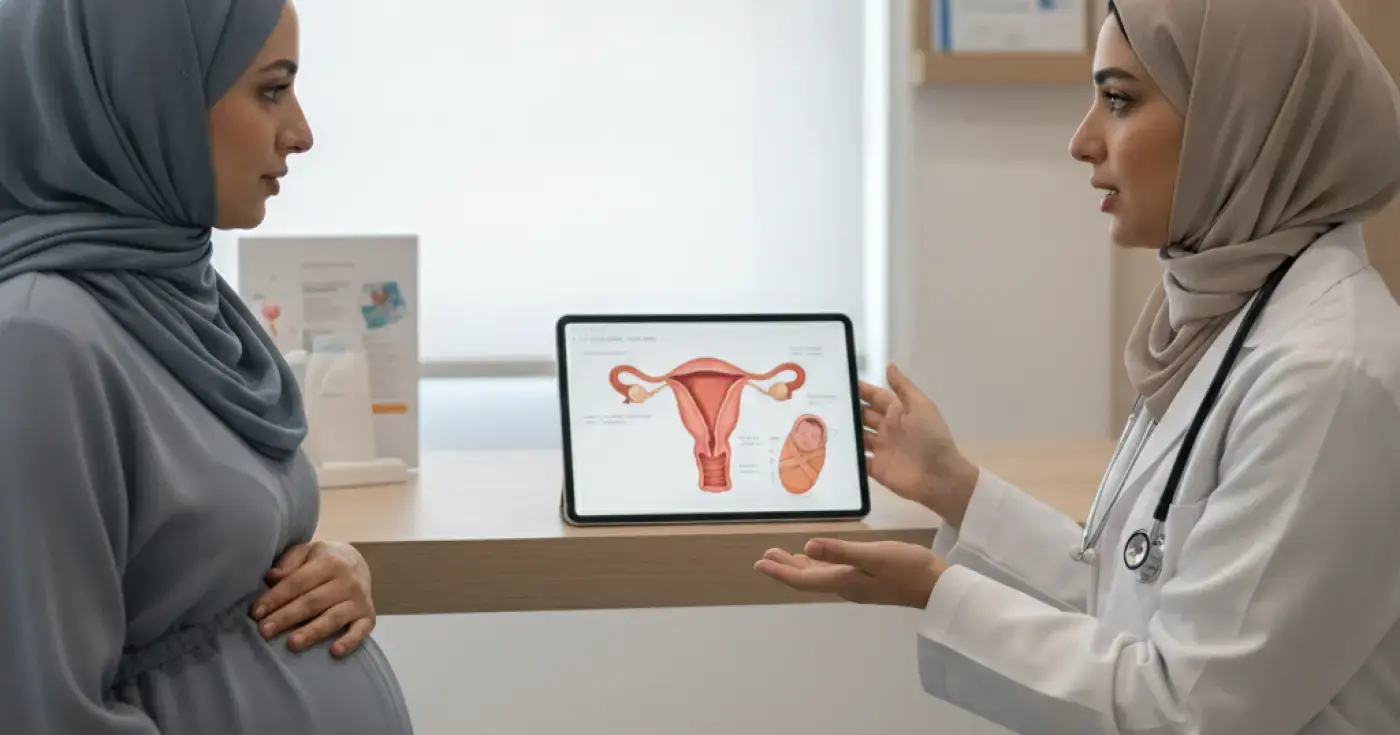
Learn about eligibility for vaginal birth after C-section (VBAC), success rates, uterine rupture risks, and how to decide safely with your doctor.
Read article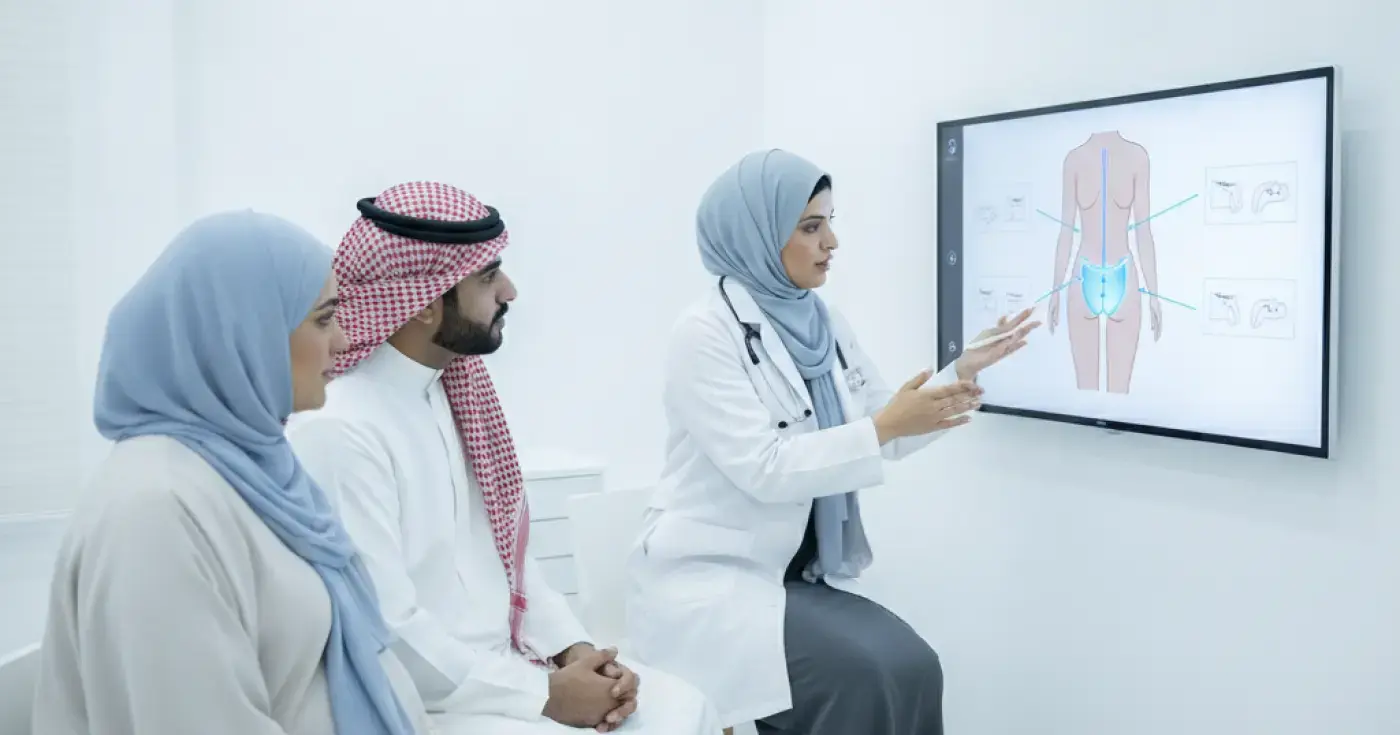
Medical article
Learn when episiotomy can be avoided during natural birth, medical indications for the procedure, and evidence-based tips to protect the perineum.
Read article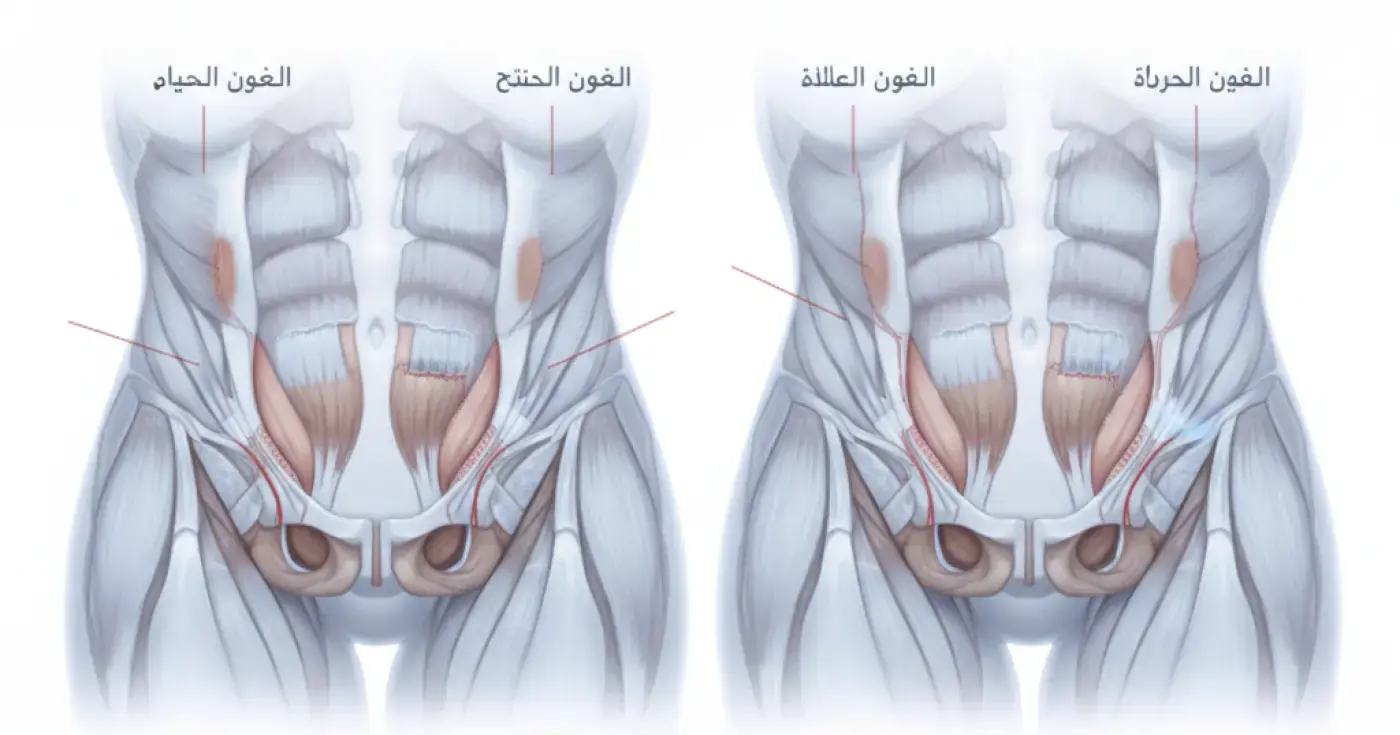
Medical article
Learn about the degrees of perineal tears during childbirth, when stitches are needed, risk factors, postpartum recovery, and pelvic floor care.
Read articleConnected next steps
 Six Month Obstetric Prenatal Monitoring ProgramEnsure a safe and healthy maternity journey with our tailored 6-month pregnancy monitoring package. LahaLak connects you with top-tier obstetricians and gynecologists across Saudi Arabia for routine check-ups, precise lab tests, and ultrasound scans. Book your comprehensive care package today and enjoy peace of mind for you and your baby.
 Three Month Obstetric Prenatal Monitoring ProgramEnsure a safe and healthy maternity journey with our tailored 3-month pregnancy monitoring package. LahaLak connects you with top-tier obstetricians and gynecologists across Saudi Arabia for routine check-ups, precise lab tests, and ultrasound scans. Book your comprehensive care package today and enjoy peace of mind for you and your baby.