
Lahalak Medical Platform
Learn how to prepare a natural birth plan, discuss pain relief options with your care team in Saudi Arabia, and make safe, informed decisions.

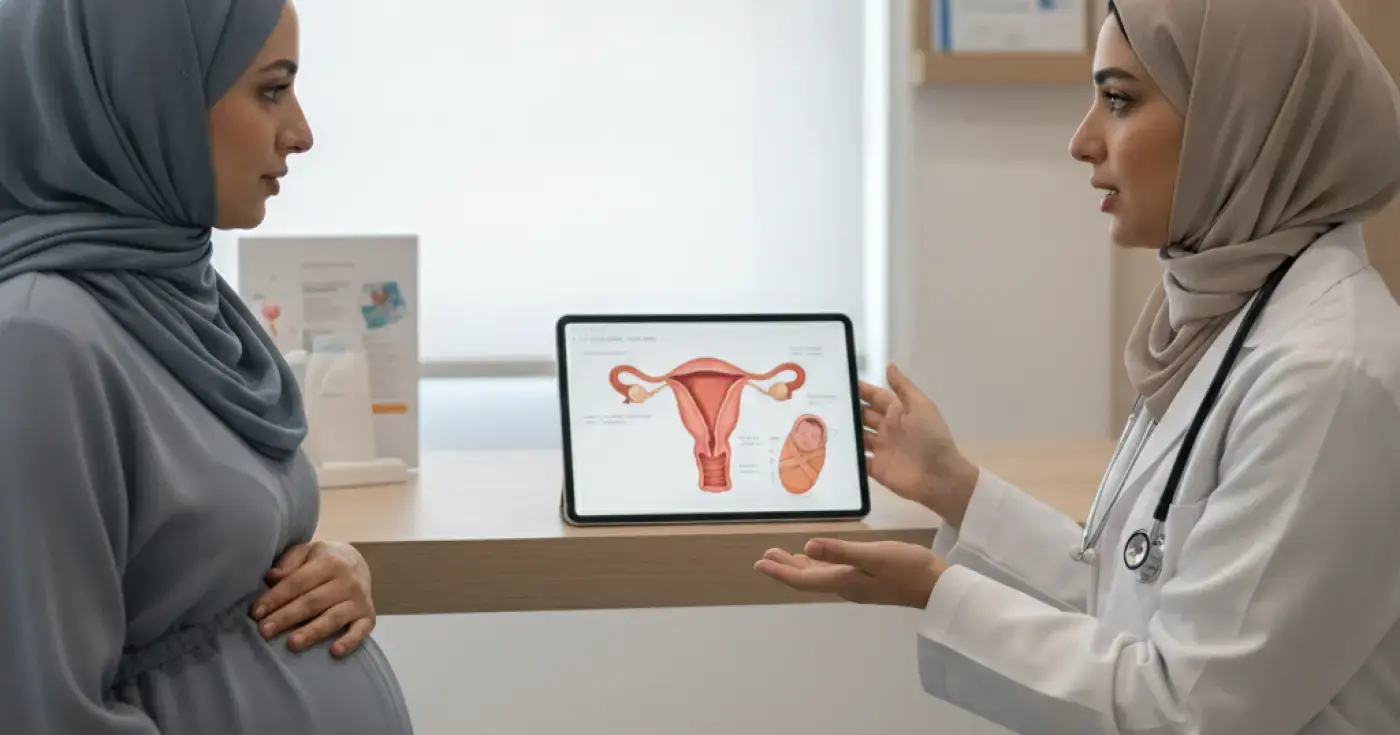
A natural birth plan is a written outline or organized set of notes detailing a pregnant woman's preferences regarding labor, delivery, and immediate postpartum newborn care. It is not a binding legal contract or a guarantee of a specific delivery outcome; rather, it is a structured communication tool designed to foster shared decision-making between the mother and her care team.
Within modern obstetric care, clinical guidelines encourage pregnant women to discuss their birth expectations early during antenatal visits. The primary goal of a birth plan is to alleviate anxiety surrounding labor, clarify available options at the healthcare facility, and ensure that informed consent remains at the center of clinical management.
A comprehensive birth plan generally addresses key aspects of labor and immediate postpartum recovery, including:
Women have varying preferences regarding pain relief during labor. Discussing both non-pharmacological and pharmacological choices in advance allows for clear expectations:
Having a dedicated support companion during labor can reduce stress and enhance psychological comfort. You can outline your preference for having your spouse or a chosen family member present, subject to hospital safety policies and room privacy standards.
Remaining mobile during early labor can facilitate fetal descent. Your plan may express a desire to walk, use birthing balls, or utilize specific birthing positions during pushing, provided there are no medical contraindications.
Your birth plan provides an opportunity to clarify routine medical interventions, such as:
Preferences for the first hour after birth can also be recorded, such as immediate skin-to-skin contact, delayed cord clamping (for 1 to 3 minutes when the newborn is stable), and early initiation of breastfeeding.
The following table illustrates how birth plan preferences are managed under routine circumstances versus emergency clinical situations:
| Birth Plan Element | Preferred Approach | Clinical Adjustment if Necessary |
|---|---|---|
| Pain Relief | Non-pharmacological techniques | Administration of analgesia or local anesthesia if pain is severe or procedures are required |
| Mobility in Labor | Free movement and walking | Bed rest if continuous electronic fetal monitoring is clinically indicated |
| Episiotomy | Avoided unless strictly necessary | Performed if fetal distress occurs or to prevent severe perineal tearing |
| Cord Clamping | Delayed clamping for 1-3 minutes | Immediate clamping if the newborn requires urgent resuscitation |
| Delivery Method | Spontaneous vaginal birth | Transition to emergency cesarean section if maternal or fetal safety is compromised. |
To make the most of your birth plan, consider the following practical steps:
Healthcare regulations in the Kingdom of Saudi Arabia emphasize patient-centered care. Pregnant women have the right to receive clear explanations regarding proposed medical procedures, give informed consent, maintain privacy and dignity throughout labor, and receive evidence-based obstetric care.
Labor is a dynamic process, and unexpected clinical events may require adjustments to the initial plan. If signs of fetal distress, prolonged labor, or maternal hypertension develop, the medical team will explain the situation and recommend appropriate interventions.
Modifying a birth plan for safety reasons does not mean a compromised birth experience; rather, it reflects a shared commitment to ensuring the health and well-being of both mother and child.
A natural birth plan is a valuable framework for open, respectful dialogue between an expectant mother and her obstetric team. Preparing a flexible, realistic plan empowers women to make informed decisions while prioritizing maternal and neonatal safety above all else.
Short answers that help clarify the key points related to this article.
Helpful services
Subscribe for new educational pregnancy and birth content from LahaLak.
Compare hospitals and prices by city and birth type, then continue to booking with clear steps.
From LahaLak guide
Medical article
Learn about eligibility for vaginal birth after C-section (VBAC), success rates, uterine rupture risks, and how to decide safely with your doctor.
Read article
Medical article
Learn when episiotomy can be avoided during natural birth, medical indications for the procedure, and evidence-based tips to protect the perineum.
Read article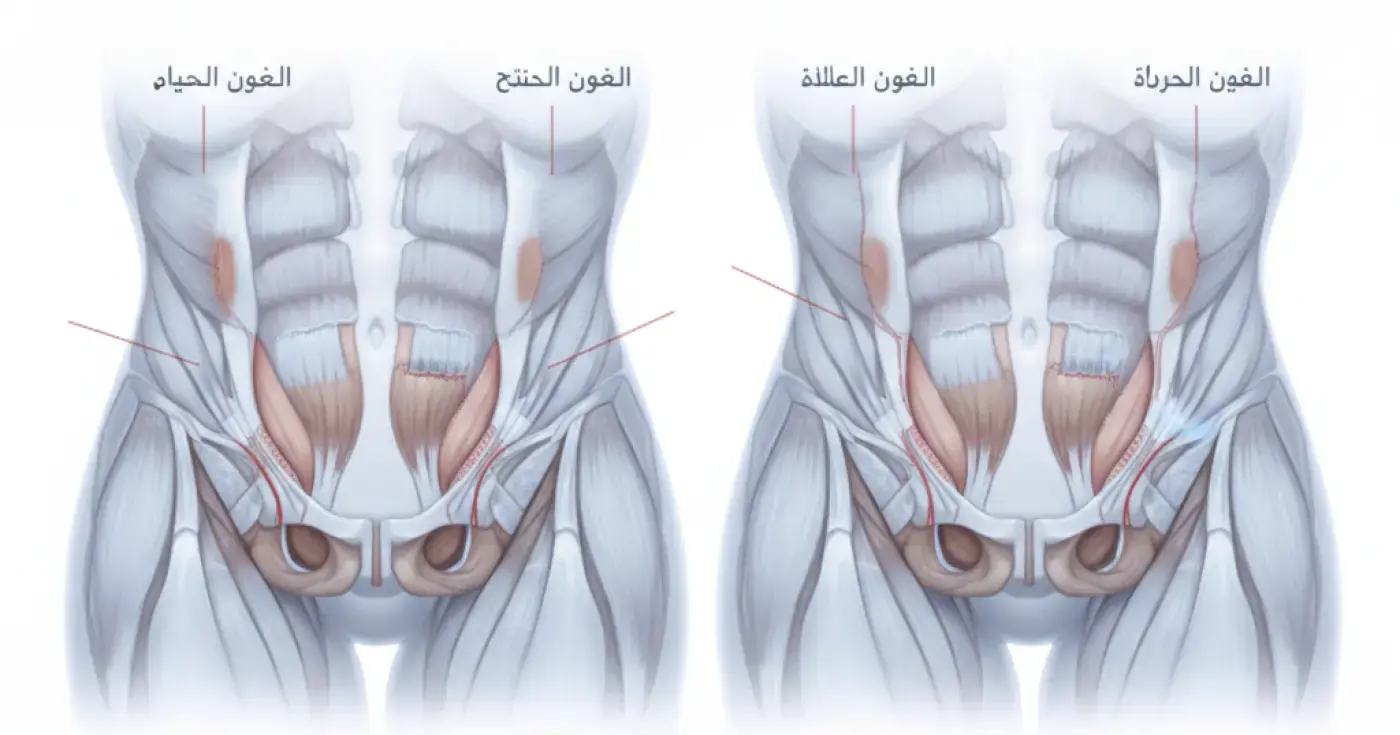
Medical article
Learn about the degrees of perineal tears during childbirth, when stitches are needed, risk factors, postpartum recovery, and pelvic floor care.
Read articleConnected next steps
 Specialist Obstetrics and Gynecology ConsultationSpecialized consultation for reproductive health and menstrual follow-up with an expert specialist, aiming to prevent gynecological diseases and provide necessary medical support throughout all stages of your life.
 Six Month Obstetric Prenatal Monitoring ProgramEnsure a safe and healthy maternity journey with our tailored 6-month pregnancy monitoring package. LahaLak connects you with top-tier obstetricians and gynecologists across Saudi Arabia for routine check-ups, precise lab tests, and ultrasound scans. Book your comprehensive care package today and enjoy peace of mind for you and your baby.
 Three Month Obstetric Prenatal Monitoring ProgramEnsure a safe and healthy maternity journey with our tailored 3-month pregnancy monitoring package. LahaLak connects you with top-tier obstetricians and gynecologists across Saudi Arabia for routine check-ups, precise lab tests, and ultrasound scans. Book your comprehensive care package today and enjoy peace of mind for you and your baby.