Inhalation Allergy Panel | Lahalak Medical Platform

An integrated analysis of 64 airborne allergens to support respiratory health and prevent seasonal and environmental allergy triggers effectively for a better quality of life.

Prices starts from: 337.92 SAR

Scientific name: Inhalation Allergy Panel (64 Allergens)

The Allergy Panel Q 64 - Inhalation, Serum is a laboratory test designed to identify sensitivity to a variety of inhaled allergens, such as pollen, dust, mold, and other common triggers. This test measures the levels of IgE antibodies in the blood serum, which indicate the immune system's response to these substances. This test is a valuable tool i...
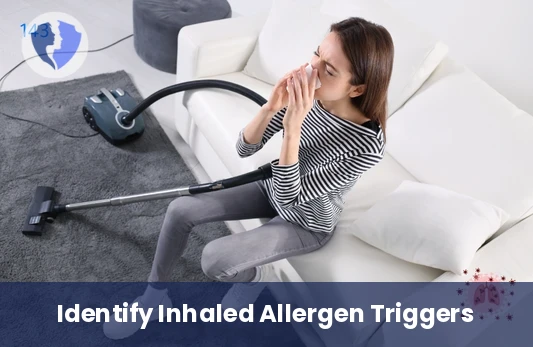
Inhalation Allergy Panel (64 Allergens) - Inhalation Allergy Panel (64)
Service type Laboratory test (Allergy)
Duration 10-15 minutes
Fasting Fasting is not required
Prices Starting from 337.92 SAR

Included Services

  • Allergy Panel Q 64 - Inhalation, Serum Test
  • The optimal health guidance based on the result.
  • Personal support services from Lahalak

Medical Service Information

Purpose Test

  • Identifying Inhalant Allergies: Detects allergic reactions to pollen, dust, mold, animal dander, and other common triggers.
  • Assessing Allergy Severity: Measuring IgE antibody levels can provide information on the severity of the allergy, with higher levels indicating a stronger immune response.
  • Guiding Allergy Management: Helps doctors and patients identify triggers to avoid, contributing to an effective treatment plan to reduce symptoms.
  • Providing Accurate Diagnostic Information: Assists in confirming or ruling out conditions such as allergic rhinitis or allergy-related asthma.
  • Evaluating Potential Allergic Responses: Can help predict possible reactions upon exposure to inhaled substances, allowing for necessary precautions.

Recommended groups

  • Individuals with respiratory allergy symptoms: Such as sneezing, nasal congestion, runny nose, or frequent cough, especially after exposure to specific triggers.
  • People with asthma: Particularly those with uncontrolled asthma symptoms that worsen upon exposure to pollen, dust, or environmental factors.
  • Children with a history of allergies: Children with known allergy issues or a strong family history of respiratory allergies.
  • Individuals with unexplained allergic reactions: Such as reactions occurring after exposure to certain substances at home or work, requiring comprehensive evaluation.
  • Residents in allergy-prone environments: People living in areas with high levels of pollen or mold.
  • Individuals with allergic rhinitis: Those who need to identify potential triggers for their symptoms.

Symptoms indicative

  • Frequent Sneezing: Repeated sneezing, especially after exposure to specific triggers.
  • Nasal Congestion: Feeling of blockage or pressure in the nose, affecting breathing.
  • Runny Nose: Excessive nasal discharge, which may be watery or mucous.
  • Itchy Nose or Eyes: Sensation of itching or irritation in the nose or eyes, which may indicate an allergic reaction.
  • Dry Cough: Frequent or bothersome cough, especially in certain environments such as exposure to dust or pollen.
  • Shortness of Breath: Difficulty breathing or feeling uncomfortable while breathing, especially after exposure to allergens.

FAQs

  • How is this test performed? A blood sample is drawn and sent to the laboratory to analyze IgE antibody levels against inhaled substances.
  • Which inhaled substances are tested? The test measures sensitivity to 64 substances, including pollen, dust, mold, animal dander, and more.
  • How long does it take to get results? Results usually take several days to two weeks, depending on the laboratory.
  • Are there risks associated with this test? The test is generally safe, though minor risks related to blood draw may occur, such as pain or bruising.
  • Does the patient need to fast before the test? Fasting is usually not required, but it is recommended to consult the doctor for any specific instructions.
  • What do positive results mean? Positive results indicate elevated IgE antibody levels to certain substances, suggesting an allergy.

Normal Levels

  • Negative Result: Indicates no significant IgE antibody levels against the tested substances, meaning no allergy to those materials.
  • Positive Result: Indicates elevated IgE antibody levels to certain substances, suggesting the presence of an allergy. Positive results are usually classified by severity:
  • Low levels: May indicate mild allergy.
  • Moderate to high levels: May indicate a more significant allergy.

Conditions & Notices

  • The terms and conditions announced on the "Lahalak" medical platform apply.
  • There are no special conditions for the service other than those mentioned.

Medical services you might also like